
How do you keep squirrels out of a garden?
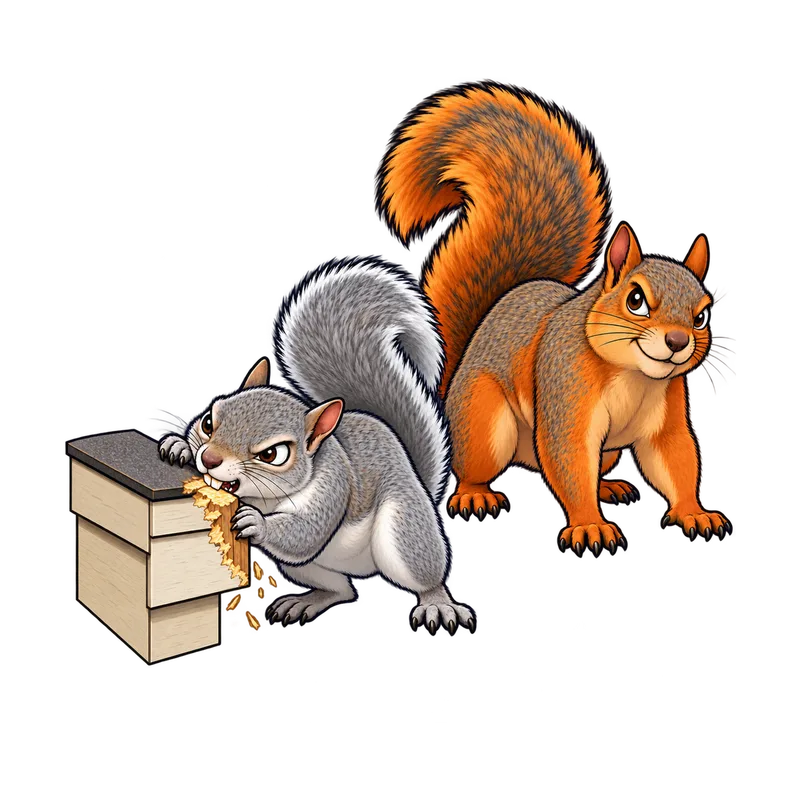
To keep squirrels out of a garden, you need to stack multiple protection layers because a single fence or spray will not stop them. Build sturdy wire cages with tops for tree squirrels, or bury wire deep for ground squirrels, while also picking up fallen fruit daily.
What is actually going on
You walk out to check your tomato plants on a quiet Saturday morning, only to find three fine, ripening fruits chewed to bits on the dirt while a gray tail flicks insultingly from the fence post. It feels personal. You might be tempted to run down to the garden center, grab a bottle of something pungent, and spray the entire perimeter hoping for a miracle. The truth is that squirrels do not care about a single chemical spray or a plastic owl sitting motionlessly by the cucumbers. They treat your vegetable patch like a twenty four hour diner because it offers high calorie food with zero effort. Complete elimination of the local population is neither realistic nor legally practical, which means your goal has to shift from getting rid of every single animal to lowering the damage enough that you still get to harvest what you grew.
Think of garden protection like stacking slices of Swiss cheese. A single layer, such as an odor repellent or a lone fence, has holes that a clever squirrel will exploit within minutes. When you stack multiple layers together, like physical wire cages, strict sanitation, and properly applied taste deterrents, the holes no longer line up. That is how you actually protect your harvest. Relying on one magic trick leaves you frustrated every single time, because wildlife adapts quickly to anything that does not present a real physical barrier or an immediate danger.
How to tell for sure
Before you start building cages or buying materials, you usually need to confirm who is actually doing the chewing. Tree squirrels like the eastern gray or the fox squirrel are diurnal, meaning they are active during daylight hours, and they usually love to raid fruits, nuts, corn, and flower bulbs. Ground squirrels are also active by day, but they prefer to dig intricate burrow systems right into turf and garden beds while eating low hanging foliage and seedlings.
You can spot them from a distance during the day with the naked eye or binoculars. If you want to check the ground for clues, inspect soft, damp soil or lay down a light dusting of tracking powder. Rodents leave a distinct print with their front and hind feet. Squirrels typically move in a gait where their hind feet land side by side or slightly ahead of their forefeet, which looks quite different from the stride you see with rabbits.
Do not ignore safety when looking at clues left behind. Squirrel scat falls into a tubular, small category, but you should never touch droppings without gloves or inhale closely near dry soil due to dust borne pathogen risks. When tracks are smudged or plant damage consists of non specific chewing, definitive identification at home stops being possible. In those ambiguous cases, camera traps help verify the culprit before you waste money on the wrong defense.
What usually comes next
Once you are sure you are dealing with squirrels, you need a plan focused on stopping them before they start. Keeping them out beats trying to chase them away later. Building sturdy fences from strong wire mesh is usually the smartest long-term fix. If ground squirrels are the problem, bury that wire deep into the ground and bend the bottom outward so they cannot dig underneath. Tree squirrels need full cages with tops because fences mean nothing to a creature that climbs for a living.
Cleaning up your yard is just as important as building fences. If your bird feeders are raining seeds onto the grass or rotting apples are piling up under the trees, you are basically running an all-night diner for local wildlife. Pick up fallen fruit every single day, get bird feeders that actually block squirrels with proper guards, and keep your trash in hard plastic cans with tight lids.
You can buy commercial sprays that taste hot or smell terrible, usually made with pepper extract, but you have to follow every word on the product label. Never toss mothballs around your garden beds. Those chemical flakes belong indoors only, and throwing them outside breaks the law while poisoning your dirt and rainwater. Do not waste your cash on high-frequency noise machines or plastic owls either, because animals figure out they are fake before the week is out. If you think about trapping animals and dropping them off down the road, keep in mind that a new squirrel will just move into the empty space right away, and moving wildlife across town is often illegal anyway.
When to get help
Some garden problems get too big to handle on your own and need an expert, a doctor, or the local animal control office. Any squirrel that acts dizzy, walks funny, or attacks without warning must be left alone. If an animal bites or scratches anyone in your household, get to a doctor or an urgent care clinic right away to check for rabies and clean the wound properly.
Sometimes squirrels leave the garden behind and chew their way right into your house, nesting in the attic or squeezing behind the walls where they can wreck your wiring and insulation. Getting them out of a building is a job for a licensed wildlife removal pro who knows how to seal up the structure for good. Any trapping or pest control work also has to follow state hunting laws, city rules on traps, and local ordinances. Knowing your limits keeps you out of trouble with the law and keeps everyone safe from harm.