
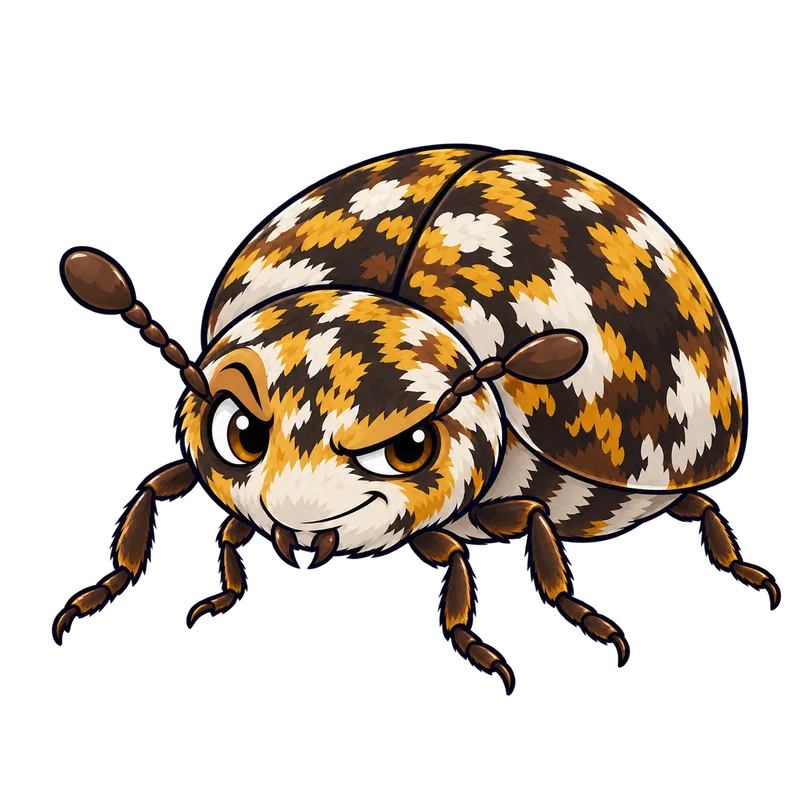
Varied carpet beetle
Anthrenus verbasci
- Size
- 1/8 inch (2 to 3 mm)
- Color
- Mottled white, brown, and yellow scales
- Habitat
- Undisturbed dark corners, wall voids, and outdoor flowers
- Diet
- Keratin, animal proteins, wool, and natural fibers
- Life cycle
- 249 to 354 days per generation
Finding a tiny, round beetle on your window sill in spring usually means a varied carpet beetle has decided to move in. At about 1/8 inch long, these adults are shaped like small, convex domes and wear a surprisingly pretty mosaic of white, brown, and yellow scales across their backs. Older specimens lose those scales through friction, turning a plain, scuffed dark brown or black.
Identity
That appearance makes them easy to confuse with lady beetles at a glance, but the scale pattern and the way they tuck their heads downward tell them apart. Down below, their undersides are covered in gray or yellowish scales.
Larvae are entirely different creatures. Often called woolly bears, these teardrop-shaped bugs grow up to 3/16 inch long and feature alternating light and dark brown transverse bands. Look closely at the rear end, and you will see three pairs of distinct, dark bristly hair bundles. Those hairs, along with the fuzzy body setae, are what give the larvae their characteristic look.
Habitat & behaviour
Adults live outdoors in late spring, hanging out on flowers like hogweed and spiraea to feed on pollen and nectar. They are strongly attracted to light, which explains why you spot them crawling on glass panes when they are really trying to get outside.
Larvae operate on the exact opposite instinct. They actively avoid light and head straight for dark, quiet, undisturbed spaces. You will find them wandering along baseboards, beneath wall-to-wall carpet edges, behind quarter-rounds, inside HVAC ducts, and under heavy furniture where pet hair and dust accumulate.
As for diet, adults do no harm to your belongings. Larvae, however, are obligate scavengers of animal proteins. They feed on wool, mohair, cashmere, silk, feathers, leather, taxidermy mounts, and animal glues found in antique book bindings. They also target cotton or synthetic fabrics if those items are soiled with sweat, body oils, or food spills. Clean synthetics are spared from eating, though larvae will still chew through them just to tunnel out of a storage box.
Visual variations
The life cycle moves through four distinct stages, which are egg, larva, pupa, and adult, with no social castes to complicate things. Eggs are tiny, translucent white ovals laid in hidden cracks or directly on food sources.
As larvae mature from microscopic hatchlings into fuzzy grubs, they shed their skins repeatedly. Those empty, hairy cast husks are often the first sign of an active infestation in a closet or under a sofa.
Pupation happens right inside the final larval skin or in a protected crevice near the feeding site. Once the adult emerges, it lives for 20 to 60 days. There is no obvious visual difference between male and female adults, so telling them apart requires magnification and professional preparation.
Why it matters
Carpet beetles do not bite, sting, or carry diseases, but their presence in a home changes how you look at your woolens and storage bins. The shed larval skins, broken hair fragments, and fecal pellets about the size of salt grains can trigger skin irritation or respiratory discomfort in sensitive people when stirred up in household dust.
Finding a few adults on a window sill in May is usually a harmless reminder that they slip inside through open doors or on cut garden flowers brought indoors. Finding clusters of fuzzy larvae in your wool sweaters or along carpet tack strips means an established population is feeding on your animal-derived textiles.
Controlling minor issues typically comes down to mechanical removal. Regular, thorough vacuuming along baseboards and under furniture eliminates the lint and pet dander larvae feed on. Washing vulnerable clothes in hot water or freezing items in sealed plastic bags for several days stops the cycle without needing harsh chemical applications. When infestations run deep into wall voids or threaten historic collections, specialized structural treatments or professional pest management become necessary.
Similar species
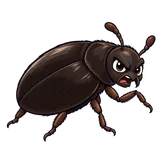 Black carpet beetleAttagenus unicolor
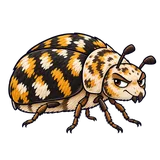 Furniture carpet beetleAnthrenus flavipes
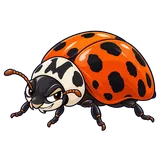 Multicolored Asian lady beetleHarmonia axyridis
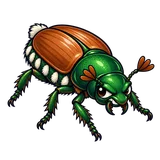 Japanese beetlePopillia japonica
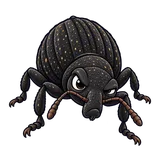 Black vine weevilOtiorhynchus sulcatus
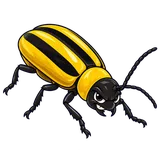 Striped cucumber beetleAcalymma vittatum