
Are tiny bugs in flour always weevils?
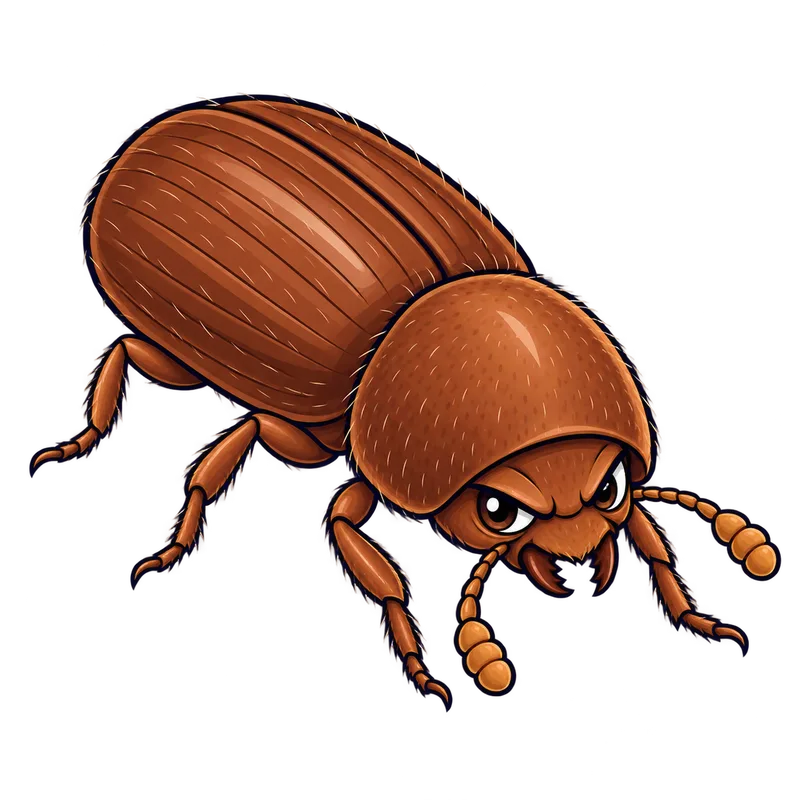
No, tiny bugs in flour are almost never true weevils, because true weevils need whole, unground grain kernels to complete their life cycle. When you find small insects in milled flour, you are usually looking at secondary pests like flour beetles measuring about an eighth of an inch long, drugstore beetles, or grain mites.
What is actually going on
You reach into the back of the pantry for that bag of whole wheat flour you bought for a weekend baking project, and as you slide it across the shelf, you notice tiny specks moving along the folds of the paper. Your first instinct is probably to mutter something frustrated and assume you have weevils. It is the default word everyone uses for any bug that shows up in dry goods.
Except those tiny visitors scurrying through your baking supplies are almost never true weevils. From a strict biological standpoint, true weevils have a very specific design, featuring a long, distinct snout with chewing mouthparts at the end. They need that snout to bore directly into whole, intact grain kernels like unground wheat or whole corn so they can lay their eggs safely inside.
Milled flour, on the other hand, lacks the hard outer shell and solid interior structure that a true weevil needs to complete its life cycle. If you are finding bugs in fine flour, you are usually looking at secondary pests like flour beetles, drugstore beetles, or even microscopic grain mites that feed on loose starches and broken grain dust. True weevils stay in the cereal aisle or the birdseed bucket where the whole kernels live, while your flour attracts an entirely different crowd.
How to tell for sure
Since a glance into a dark pantry rarely provides a clear view, figuring out what you are dealing with usually comes down to a few physical clues. If you can see distinct six-legged insects crawling around, take a closer look at their shape and antennae. Red flour beetles and confused flour beetles look nearly identical to the naked eye, measuring about an eighth of an inch long with a flat, reddish-brown body. If you pull out a magnifying glass, you will usually see that red flour beetles have antennae ending in an abrupt three-segmented club, and they can actually fly when the kitchen gets warm. Confused flour beetles have a more gradual four-segmented club on their antennae and tend to stay grounded.
Then you have the beetles that look like tiny, humped armadillos because their heads are tucked downward under a protective shield. Drugstore beetles and cigarette beetles fit this description. Drugstore beetles usually have distinct grooves running down their wing covers, while cigarette beetles have smooth wing covers and antennae that look like microscopic saw blades. Both carry internal yeasts that let them eat just about anything in the pantry, from flour to old spices and forgotten dried floral arrangements.
Sometimes the problem is not a beetle at all. If the surface of the flour looks like it is shifting under a layer of moving dust, you might be dealing with grain mites. These are microscopic eight-legged arachnids, meaning they are closer to spiders than insects, and they thrive when indoor humidity creeps up. If you roll a pinch of mite-infested flour between your fingers, you will usually notice a distinct, sweet minty odor. If you see clumpy flour held together by fine silken webbing, you are typically looking at the caterpillar stage of the Indian meal moth rather than beetles or mites.
What usually comes next
Finding a few bugs in the pantry often triggers an immediate urge to toss out the entire contents of the cupboard, but the cleanup needs a bit of method to actually work. Start by inspecting every dry good in the cabinet, including unopened paper boxes, pet food bags, and baking mixes, because these insects chew right through thin paper and cardboard seams without missing a beat. Seal infested items tightly in plastic bags and carry them straight to an outdoor trash bin so the stragglers do not crawl back onto the kitchen floor.
Once the shelves are entirely empty, vacuum every crack, crevice, and corner where flour dust settles, making sure to empty the vacuum canister outside immediately afterward so nothing escapes. A thorough wipe-down with hot, soapy water finishes the physical cleaning and removes the invisible residue that draws them back.
If you want to save uncontaminated dry goods or ensure you have caught hidden eggs before they hatch, ordinary kitchen freezing is usually the most practical step. Placing susceptible items in a freezer set to zero degrees Fahrenheit for 4 to 7 days will eliminate every life stage from egg to adult. A quick 24-hour freeze is rarely enough to finish off stubborn eggs. When you bring the items back out, keep them sealed inside their plastic bags until they reach room temperature to prevent condensation from dampening the flour. To keep future pests out, transfer all your fresh flour and grains into heavy glass, metal, or rigid plastic containers with tight rubber gaskets, because thin plastic bags will not stop a determined beetle.
When to get help
Most pantry pest situations resolve nicely with thorough cleaning, freezing, and proper food storage, but certain thresholds call for outside assistance. If you have spent weeks cleaning, freezing, and sealing everything in glass containers and the bugs keep returning, you likely have a hidden structural reservoir. These insects can breed out of sight inside wall voids, heating ducts, or subflooring where stray flour dust accumulated months ago.
High humidity can also create persistent infestations of booklice or grain mites that refuse to clear up until the building environment changes. When dampness leads to mold growth inside wall cavities or beneath floors, a building contractor or a licensed pest control operator should step in to address the underlying moisture.
If you or anyone in your household experiences persistent skin rashes, watery eyes, or respiratory flare-ups when handling flour, stop working in the area immediately. Exposure to certain flour beetles and grain mites can trigger allergic reactions and occupational asthma, while specific quarantine pests shed tiny barbed hairs that irritate airways. Anyone dealing with severe skin irritation, breathing difficulties, or ongoing gastrointestinal distress should consult a clinician or contact poison control right away.