
Woodworm in Ireland: which local guidance should a homeowner check?
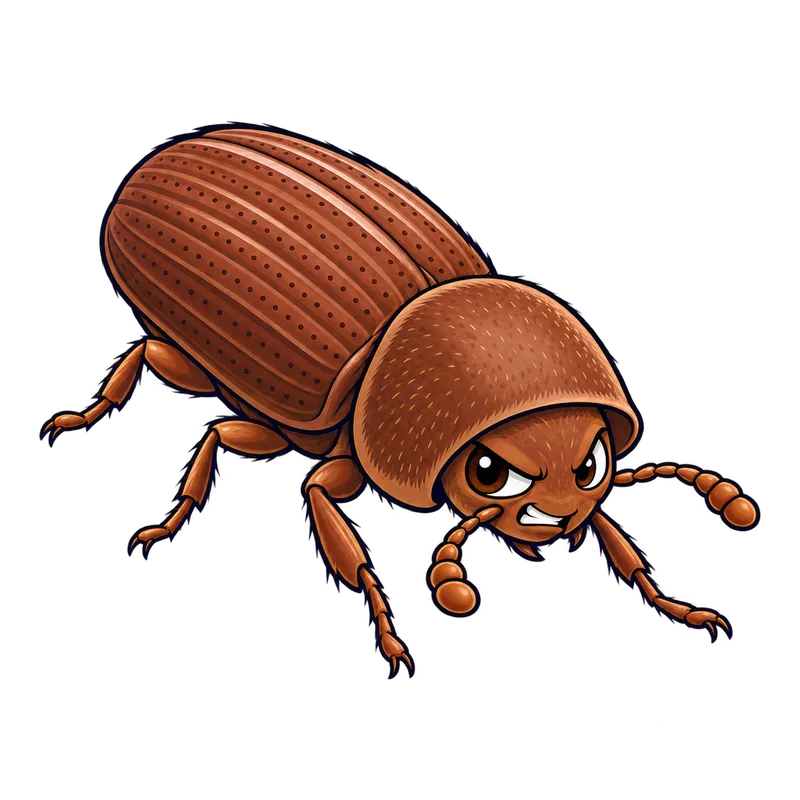
For woodworm in Ireland, local guidance comes down to practical building standards and common sense maintenance instead of a blanket statutory register. Local authority environmental health departments publish basic advisory leaflets on beetle biology. You should also check for legally protected wildlife such as bats before applying any chemical timber treatments in a roof space.
What is actually going on
Imagine walking up the stairs in your County Cork cottage or suburban Dublin semi-detached, pausing to look at a ceiling joist in the landing, and noticing a scattering of tiny, round holes that look like someone went to town with a finish nail. That is usually when the word woodworm enters your vocabulary. But before you start picturing your entire roof space turning into sawdust overnight, it helps to understand what is actually living inside that timber. In Ireland and across the wider British Isles, woodworm is a general term for the larval stage of the common furniture beetle. These little cream-colored grubs hatch from eggs laid in timber cracks, and they spend a good few years tunneling through the interior sapwood before turning into beetles and chewing their way out.
The interesting part is that the presence of those holes does not automatically mean you have an active crisis on your hands. In many modern homes, central heating acts as an invisible guardian. The beetles need a wood moisture content above 15% to thrive, which translates to a high indoor relative humidity. Once a house is heated and dried out, the timber often drops below that critical moisture threshold, and any historic infestation quietly dies out on its own.
You might wonder if you should just leave well enough alone, or if local building guidance requires you to report it to the council. While local authority environmental health departments publish basic advisory leaflets on beetle biology, and broader climate hazard frameworks look at how wetter winters might increase moisture risks in timber frames, there is no blanket statutory register you need to call. Instead, your local guidance comes down to practical building standards and common sense maintenance.
How to tell for sure
Figuring out whether you are looking at a living colony or a ghost town from 40 years ago requires a bit of close observation. You can usually tell by looking at the color of the dust, which experts call frass. If an infestation is active right now, you will spot small piles of fresh, light-colored frass beneath the holes during the summer emergence window between April and August. That dust feels gritty between your fingers, like fine table salt or dry sand, because it contains tiny bun-shaped fecal pellets. If the holes look dark, dusty, and weathered, with zero fresh powder appearing underneath no matter how many times you sweep, the damage is usually historic.
Size also gives you a reliable clue. The common furniture beetle leaves a clean, round exit hole roughly 1 to 2 millimeters across, which is about the width of a standard pinhead or pencil lead. If the holes are larger, unevenly edged, and found in old, damp oak, you might be dealing with the deathwatch beetle, which prefers historic buildings and timber-framed structures. On the other hand, tiny powdery dust that feels like baking flour or talcum powder usually points to powderpost beetles targeting the sapwood of hardwoods.
One thing you should never try to do is guess what pest you have based on a skin mark. Wood-boring beetles do not bite humans. If you are waking up with itchy red spots, look elsewhere for the culprit. And when you cannot tell whether those floorboard holes are from the common furniture beetle or a harmless secondary wood-boring weevil, that is usually where homeowner self-diagnosis has to stop, and a closer inspection is required.
What usually comes next
Once you have figured out that you are dealing with woodworm, your first move should focus on moisture control instead of grabbing a can of heavy pesticide. Since these larvae need damp conditions to survive, fixing the root cause of any excess moisture remains your strongest tool. Check for leaking roof flashings, blocked subfloor air vents, or damp masonry where floor joists meet exterior walls. Improving ventilation and keeping indoor relative humidity under 65% frequently starves the insects of the environment they need.
If you are hauling home a second-hand oak dresser or a vintage pine table from a local market, check it over carefully before letting it anywhere near your living space. You can also keep an eye on suspect spots by placing a piece of dark paper under the timber through the spring and summer. If fresh gritty pellets appear on that paper, you know the adults are actively emerging.
Treating the wood involves surface sprays and brush-on borates that form a chemical barrier to stop newly hatched larvae or emerging adults, but these products do not magically soak deep into heavy timber beams to wipe out grubs buried deep inside. If you decide to use a chemical treatment, you must follow the product label instructions to the letter. Never invent your own mixtures or assume you can spray your way out of a deep structural problem.
When to get help
There comes a point in every pest situation where a do-it-yourself approach is neither safe nor sensible. If your floorboards spring or crack noticeably under your feet, or if roof rafters crumble easily when poked gently with a knife blade, you need a professional right away. Any timber damage that affects load-bearing members requires a qualified building surveyor or structural engineer to calculate the remaining strength of the wood and decide whether you need local repairs or full timber replacement.
You should also call in a professional if deep timber injection or whole-structure heat treatment is necessary, because these methods demand specialized gear and licensing. Plus, before anyone applies chemical timber treatments in an attic or roof space, there is a major legal hurdle to keep in mind. Roof voids across Ireland and the UK frequently host legally protected wildlife, including nesting birds and bat roosts. Under national wildlife legislation, disturbing bats or applying toxic pesticides in an active roost without statutory authority is a serious criminal offense. Always make sure a qualified ecologist or statutory nature conservation agency clears the space first. Lastly, if anyone in the household experiences unexplained health symptoms or skin irritation, do not guess at the cause. Consult a primary care clinician or reach out to your local health authorities right away.