
When are nematodes considered for vine weevil in UK gardens?
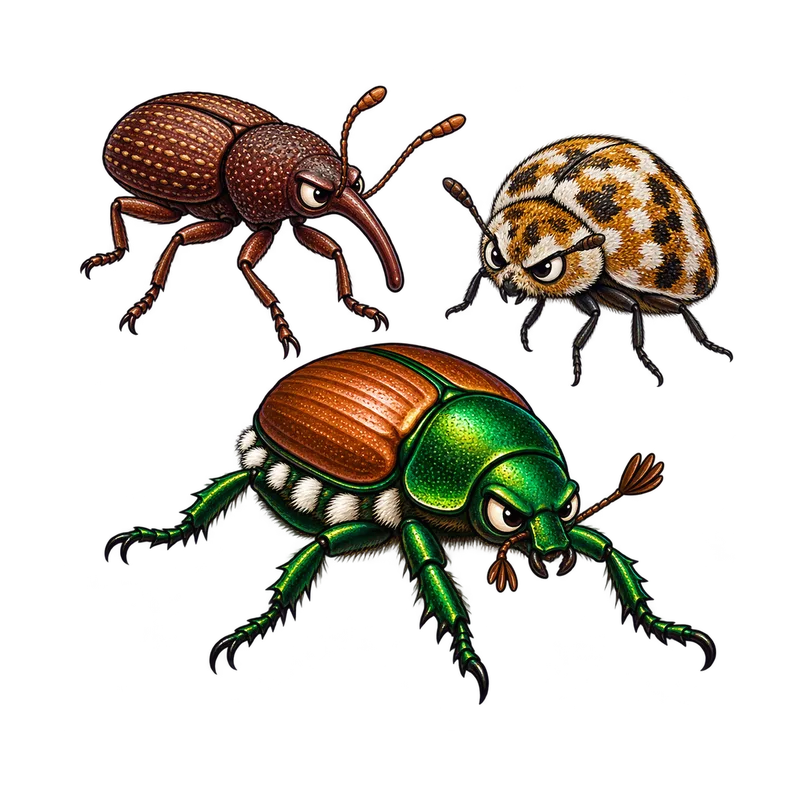
Beneficial nematodes are considered for vine weevil control in United Kingdom gardens during a specific window in late summer, usually August or early September, when the soil is still warm and the newly hatched grubs are small. This biological control targets the damaging underground larvae rather than the leaf chewing adults.
What is actually going on
You walk out to water your prized potted rhododendrons on a crisp September afternoon, give a gentle tug on a stem, and the entire plant lifts straight out of the pot like a loose hair. There are no roots left at all, just a handful of plump, cream-colored grubs tucked into the damp compost. That is usually when gardeners start looking into beneficial nematodes. You are dealing with vine weevil larvae, and nematodes are considered the primary biological control method in United Kingdom gardens for tackling them before they turn your containers and open ground beds into a graveyard.
The trick to understanding when to use them comes down to knowing which part of the pest is actually wrecking your plants. Adult vine weevils spend the spring and summer chewing neat, semi-circular notches out of leaf edges, which looks annoying but rarely kills anything. The real destruction happens underground. Those adults lay eggs all summer, and the resulting grubs spend the autumn, winter, and early spring eating through plant roots. Nematodes are microscopic, unsegmented roundworms that swim through the moisture film in your potting compost or soil, hunt down those underground grubs, and kill them from the inside out using symbiotic bacteria.
You cannot just throw them at the garden whenever you remember, though. Timing is everything here. Nematodes are live organisms that need a specific window in late summer, usually August or early September, when the soil is still warm and the newly hatched grubs are small enough to be vulnerable. If you wait until late autumn when the soil turns freezing, or if you blast the foliage instead of the roots, you are essentially wasting your money.
How to tell for sure
Before you order a packet of microscopic worms, you need to confirm that you actually have vine weevils rather than some other subterranean nuisance. Look for those characteristic, neat notches chewed along the edges of leaves on susceptible plants like heucheras, hydrangeas, cyclamen, and strawberries. If you see that leaf damage and notice plants wilting unexpectedly when the soil is plenty wet, tip a suspect container out onto a tarp.
You will usually find C-shaped, legless grubs about 10 millimeters long, sporting a distinct pale brown head and a plump white body. Do not confuse them with chafer grubs, which tend to have three pairs of visible legs and hang out in lawns rather than container compost. Adult vine weevils in the UK are entirely female, flightless, and reproduce without mating, which means a single stray adult can start an entire population in your garden pots.
When you purchase a pack of nematodes, you usually need to check viability before mixing them up. Dissolve a tiny pinch of the product in a few drops of room-temperature water on a dark surface and look at it through a magnifying glass. Healthy nematodes swim around with a distinct, active wiggle, while dead ones stay completely straight and motionless.
What usually comes next
Once you have confirmed the pest and checked your nematodes, you have to match the species to your soil temperature. Steinernema kraussei is your go-to choice if the weather is turning chilly, as it can operate in soils down to 5 degrees Celsius. If you are applying them in late summer while the ground is still quite warm, species like Heterorhabditis bacteriophora are usually recommended.
Getting the application right takes a bit of care because these are living creatures, not chemical weed killers. First, water your containers or garden beds thoroughly so the soil is damp before you start. Mix the nematodes into water, but make sure you remove any fine spray filters or mesh screens from your watering can or sprayer. Standard garden filters act like a tiny tea strainer, trapping and crushing the microscopic roundworms before they ever hit the soil.
Apply your drench in the evening, at dusk, or on a heavily overcast day. Ultraviolet sunlight will kill nematodes within minutes if you spray them under a bright midday sun. After drenching the root zone, give the pots a light watering to wash any stray parasites off the leaves and down into the compost, then keep the soil moist for the next two to three weeks so the nematodes can move around freely and hunt.
When to get help
Most garden vine weevil issues can be managed at home with careful timing and proper nematode application, but there are times when you need to hand things over to a professional or report the situation. If you run a commercial plant nursery or horticultural business and discover heavy infestations or suspected invasive alien weevils in your stock shipments, you are required to report them to statutory plant health authorities. In England and Wales, that means contacting the Animal and Plant Health Agency or Defra, while growers in Scotland turn to SASA and those in Northern Ireland report to DAERA.
For home gardeners, if you are dealing with a massive commercial-scale landscape installation or if chemical treatments are ever considered for stubborn outbreaks, those applications must be handled by licensed professional applicators who follow strict regulatory standards. Never mix nematodes with chemical pesticides, synthetic nematicides, or hydrogen peroxide sanitizers, as these products will wipe out the biological control agents instantly. When in doubt about strange or aggressive pest outbreaks that threaten large structural plantings, consulting a certified horticulturist or your local plant health authority is always the safest route.