
Carpet beetle cast skins vs clothes moth cases: how can you tell?
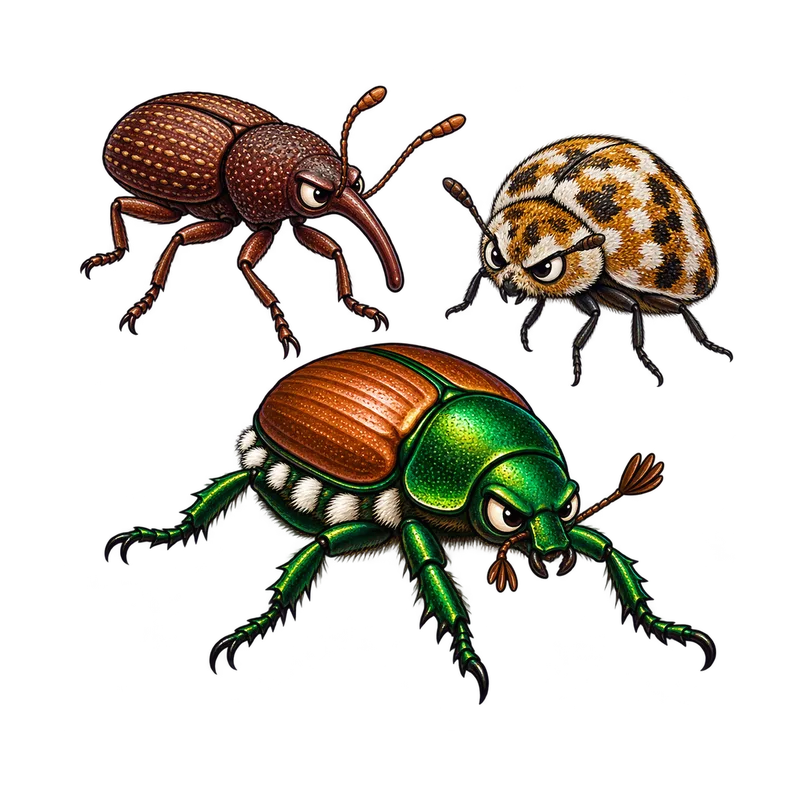
To tell carpet beetle cast skins from clothes moth cases, look at what the remnants are made of. A carpet beetle cast skin is a dry, hollow husk with zero woven fabric fibers, while a clothes moth case is an open-ended cylinder made of woven silk and chewed textile fragments.
What is actually going on
Imagine pulling an old wool sweater from the back of the closet, shaking it out, and spotting something tiny stuck in the seams. You might find a dry, hollow little husk that looks like a microscopic insect shell, or perhaps a tiny, rice-grain-sized tube that seems to be glued right onto the fabric. Finding these little mysteries usually starts a quiet panic about whether your wardrobe is being quietly devoured. The good news is that those two clues point to entirely different culprits, and learning to read the difference is much easier than you might think.
The core distinction comes down to whether the insect is leaving behind an empty suit of armor or building itself a portable sleeping bag. Carpet beetle larvae go through a process of shedding their rigid outer skeletons as they grow larger. When they outgrow a skin, they split it down the back and crawl right out, leaving behind a hollow, brittle husk that retains every detail of the little bug, complete with tiny bristly hairs and distinct body rings.
Clothes moth larvae have an entirely different architectural approach. A specific type known as the casemaking clothes moth actually spins liquid silk from its mouth and weaves it into a protective tube. As the caterpillar crawls around and chews on your woolens, feathers, or fur, it incorporates bits of the host fabric directly into the silk. That means the little portable case changes color depending on what the insect has been eating. If it grazed on a navy blue blazer, the sleeve turns blue, and if it moves to a green blanket, the next layer of silk turns green.
How to tell for sure
Telling these remnants apart usually comes down to a quick inspection, and a simple ten-power hand lens makes the job effortless. If you pick up the object and look closely, a carpet beetle cast skin is completely dry, hollow, and made entirely of insect cuticle with zero woven fabric fibers involved. It often has a tapered, carrot-like shape or a short, fuzzy, striped appearance depending on the exact species of beetle, and it will feature a split along the back where the insect emerged.
A clothes moth case looks and behaves quite differently. Under a magnifying glass, you can see that it is an open-ended cylinder made of woven silk threads, and the exterior is physically textured with chewed-up textile fragments. While carpet beetle skins just sit inertly among the lint on a carpet edge or baseboard, a clothes moth case is a mobile shelter that the caterpillar dragged around while it was alive and feeding.
You might also notice other clues nearby that confirm who is doing the damage. Carpet beetle larvae usually leave behind broad, irregular grazed patches along carpet perimeters, under heavy furniture, or in dark floor cracks. Clothes moths tend to leave scattered, small holes concentrated in the hidden folds, lapels, and seams of garments. Adult behavior offers another hint since adult clothes moths actively avoid light and scuttle into dark crevices, whereas adult carpet beetles are often found flying toward windows in the spring to feed on outdoor pollen.
What usually comes next
Once you have figured out what you are looking at, you have to decide what to do with the stuff in that room or closet. Finding carpet beetle skins near the baseboards means you should focus on physical cleanup rather than running out for sprays. A thorough vacuuming along the floor edges, heating vents, and carpet seams clears away the stray hairs and dust that these bugs love to eat. Make sure to empty the vacuum bag right into an outdoor trash can so nothing crawls back inside.
Finding moth cases or chewed-up sweaters calls for a different routine, starting with washing washable woolens in hot water or sending delicate pieces to the dry cleaner to wipe out any remaining pests. When dealing with antique quilts, delicate sweaters, or taxidermy that cannot take hot water, seal them inside heavy plastic bags and pop them into a freezer set to minus four degrees Fahrenheit for a full seven days. Let the bags sit at room temperature for an entire day after taking them out so the condensation does not damage the textiles.
Keeping those clean clothes safe means rethinking how you store them. Heavy plastic bins, airtight storage boxes, or garment bags with sealed seams stop new pests from finding a home. Cedar chests and traditional mothballs get used a lot, but remember that cedar loses its scent and power after a few months, and chemical mothballs only protect your clothes if the container is completely sealed.
When to get help
Sometimes a simple weekend cleaning project is not enough and you need to bring in backup. If you uncover massive, widespread damage in antique wool carpets, historic tapestries, or large collections of mounted animal specimens, call a professional museum conservator or a licensed pest management company to handle the items safely without ruining their worth.
Health issues also change how you should handle the situation. Shed hairs from certain carpet beetle larvae are covered in microscopic barbs that can trigger skin irritation, rashes, and breathing discomfort when you breathe them in. If anyone in your home deals with ongoing skin inflammation or trouble breathing, talk to a doctor right away instead of waiting for things to clear up on their own.
Never try to diagnose skin marks or rashes as insect bites simply because you found these pests nearby. If you are dealing with a severe or stubborn infestation that resists standard cleaning and freezing methods, let a licensed pest control professional evaluate the building and apply any necessary treatments according to the product label.