
What damage do vine weevil grubs cause to roots?
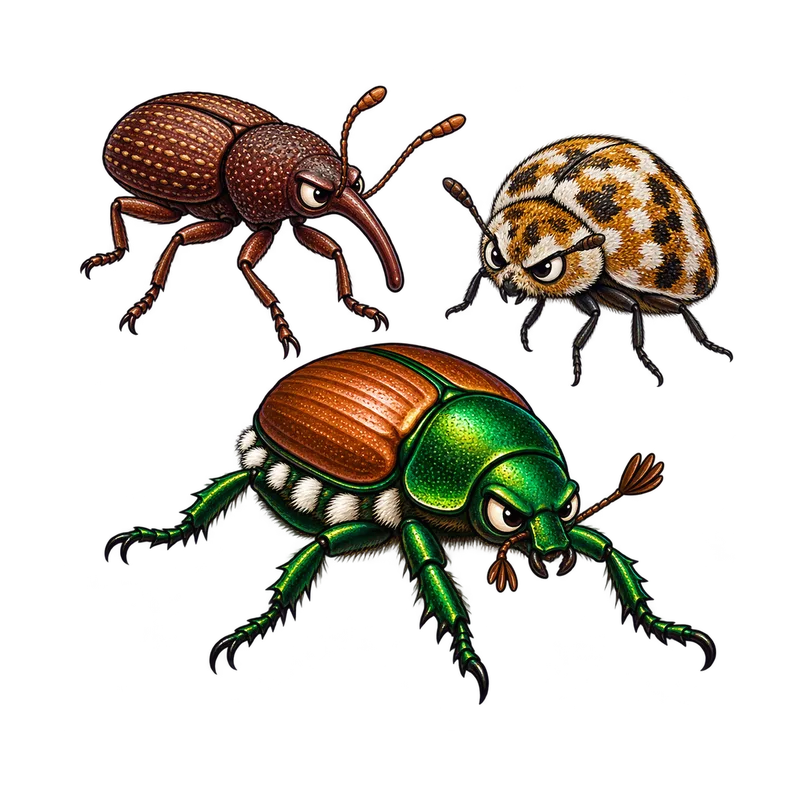
Vine weevil grubs cause root damage by first devouring delicate feeder roots and then gnawing the outer bark and phloem tissue right off larger structural roots. This stripping cuts the plant completely off from water and nutrients, causing it to suffer from a false drought even when the soil is soaking wet.
What is actually going on
Picture stepping out onto the back patio on a crisp autumn afternoon, only to find your favorite potted rhododendron looking like it has not had a drink in weeks. The leaves are dull and drooping. You reach for the watering can, give the soil a generous soak, and expect it to bounce back by morning. Instead, it looks worse.
What is actually going on is happening entirely out of sight, deep in the dark confines of the potting mix. Vine weevil grubs are down there working through a subterranean buffet. These pests do not care about your watering schedule or how much love you poured into that plant. They start by devouring the delicate feeder roots, then move on to gnawing the outer bark and phloem tissue right off the larger structural roots. Once those pathways are stripped bare, the plant is completely cut off from water and nutrients.
A common belief is that wilting plants simply need moisture, but in this case, pouring more water into the pot is like trying to fill a bucket with a hole in the bottom. The potting mix can be soaking wet, yet the plant suffers from a false drought. The water is right there in the soil, but the plant lacks the functional roots to absorb it. Adult beetles also spend their summer nights chewing harmless little U-shaped notches out of the leaves above ground, leading many gardeners to worry about the foliage while the real destruction is quietly unfolding below.
How to tell for sure
Finding out whether vine weevil grubs are the culprits requires getting your hands a little dirty. If you have a container plant that is wilting despite wet soil, or an evergreen in a pot that suddenly wobbles when you touch it, usually the fastest diagnostic test is to tip the root ball right out of its container.
Take a close look at the root system. You are usually hunting for plump, C-shaped, creamy-white grubs with distinct light brown head capsules. They can grow up to half an inch long, and they tend to curl up defensively when disturbed. This is where a simple anatomical check saves you from chasing the wrong ghost. Grab a 10x magnification lens if you have one, or just look closely with the naked eye, and check for legs. Vine weevil grubs are entirely legless. If you find white grubs that clearly possess three pairs of tiny thoracic legs near the head, you are looking at scarab beetle larvae, such as Japanese beetle grubs, which behave differently.
You should also keep in mind that adult weevils are all flightless females reproducing without mates, meaning a single escaped beetle can start a thriving underground colony. However, regarding telling one species of weevil larva apart from another closely related cousin in the soil, visual identification usually stops at the genus level, and definitive confirmation generally requires a specialist entomologist.
What usually comes next
Once you confirm that legless grubs are chewing through your roots, you have to make one practical choice about how to handle the infestation before it spreads to the rest of your potted collection.
If you catch the problem in late summer or early autumn while the grubs are still small and the soil is relatively warm, you can usually turn to biological controls. Entomopathogenic nematodes, which are microscopic beneficial roundworms, can be mixed with water and drenched into the potting mix. They actively seek out the grubs and release symbiotic bacteria that dispatch them efficiently. This approach requires careful timing, as these microscopic helpers need warm soil, evening application out of harsh ultraviolet light, and equipment set up so the nematodes do not get trapped.
On the other hand, if you are dealing with a severe infestation in late winter or early spring, the damage is often already done to those smaller plants, and rescue becomes nearly impossible. Chemical options, such as container media treatments or targeted adulticides applied in mid-summer when the nocturnal beetles emerge, are heavily regulated. You must always let the product label govern your actions, never exceeding rates or altering application methods. If you manage commercial nursery stock or large valuable landscape installations, this is usually the point where handing the reins over to a licensed professional applicator makes the most financial and practical sense.
When to get help
While vine weevils will not bite or sting you, and they certainly will not transmit pathogens to humans, there are moments when you need to step back and call in outside expertise.
If you happen to experience unexplained skin rashes, insect bites, or allergic reactions while handling garden soil or mulches, you should consult a clinician, urgent care facility, or your regional poison control center, as garden environments harbor many unseen allergens and stinging insects unrelated to weevils.
When dealing with large-scale commercial nursery stock, high-value agricultural crops like blueberries or strawberries, or suspected quarantine pests governed by regional import laws, you should involve a commercial horticulturist, university extension service, or a state plant health official. Chemical controls in these settings often require specialized safety equipment and professional licensing.
Finally, keep in mind that broad-spectrum chemical soil treatments can wipe out beneficial ground beetles and earthworms while indirectly harming local wildlife like birds, toads, and hedgehogs. Whenever you can, lean toward targeted biological or cultural management, and leave the heavy chemical artillery to licensed professionals who handle these regulations every day.