
How do nematodes work against vine weevil larvae?
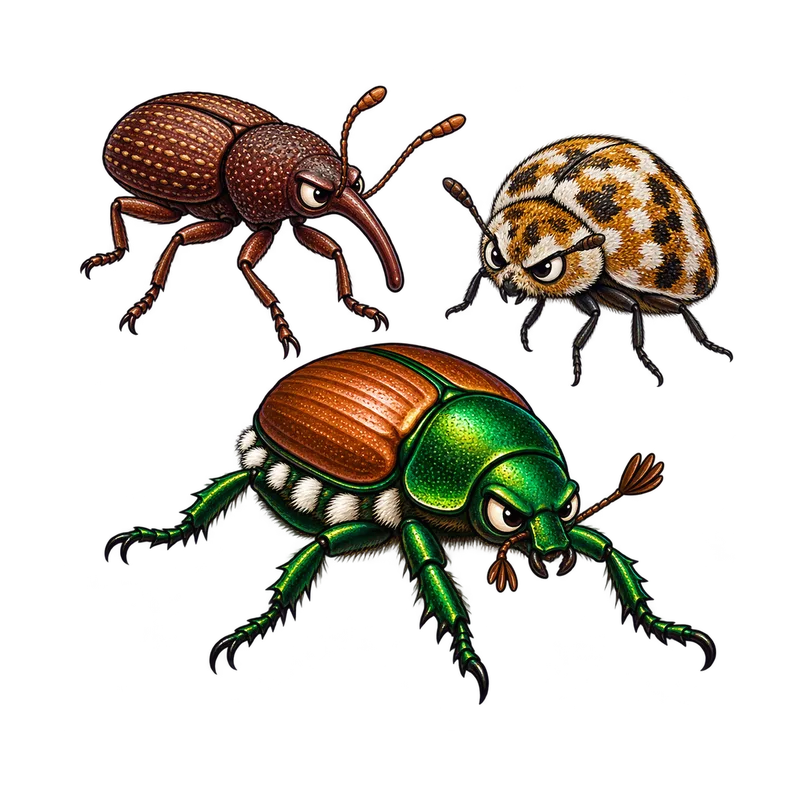
Entomopathogenic nematodes work against vine weevil larvae by hunting down the grubs in the soil, slipping inside their bodies through natural openings, and releasing a fatal bacterial payload that kills the pest within seventy-two hours. These microscopic roundworms then reproduce inside the liquefied insect tissue, sending out thousands of new offspring to find more prey.
What is actually going on
Imagine walking out to the back patio on a crisp spring morning, only to find that your favorite potted rhododendron has completely keeled over. The stems feel loose in the dirt, and when you tug on them, the plant lifts right out of the pot with barely any roots attached. What happened? A single adult vine weevil crept into the container months ago under the cover of darkness, laid hundreds of unfertilized eggs without ever needing a mate, and left behind a subterranean army of grubs that quietly chewed away the entire root system from the inside out.
If you want to fight back without drenching your garden in harsh synthetic chemicals, microscopic roundworms called entomopathogenic nematodes offer a biological solution. How do nematodes work against vine weevil larvae? They act like a microscopic Trojan horse that hunts down the pests in the soil, sneaks inside their bodies, and unleashes a fatal bacterial payload. These tiny worms are invisible to the naked eye, measuring just a fraction of a millimeter, but they are specialized hunters.
Once you water the nematodes into the soil or potting mix, the infective juveniles start swimming through the thin film of moisture surrounding soil particles. They hunt down vine weevil larvae by tracking chemical cues, carbon dioxide, and body heat given off by the feeding grubs. Upon reaching a larva, the nematode slips inside through natural body openings like the mouth, anus, or breathing pores.
Once inside the insect blood cavity, the nematode releases specific symbiotic bacteria that it carries in its gut. These bacteria multiply exponentially, producing potent toxins and tissue-degrading enzymes that cause a fatal blood infection. The grub usually dies within twenty-four to seventy-two hours, turning an opaque, off-white or yellowish color as its internal organs are broken down into a nutrient-rich soup. The nematodes then feed on this liquefied tissue, reproduce for a couple of generations, and thousands of new, hungry offspring burst out of the old cadaver to search for more vine weevil larvae in the surrounding soil.
How to tell for sure
You cannot manage a pest you have not actually found, and wilting leaves can mean anything from root rot to a lack of water. Before treating your plants, you need to confirm what is going on beneath the surface by unpotting a struggling plant or digging gently around the root crown. Vine weevil larvae are usually plump, legless, C-shaped grubs that grow up to a half-inch long, featuring a distinct light-brown head capsule and a creamy white body.
Adult vine weevils leave their own calling cards on the foliage during late spring and summer, chewing irregular, notched margins out of the edges of thick evergreen leaves like rhododendrons, euonymus, and hydrangeas. If you spot these notched leaves, you are usually dealing with weevils, but you still need to check the roots for the white grubs to confirm an active larval infestation.
If you happen to be using beneficial nematodes, it is a smart idea to check their viability before pouring them straight into your watering can. You can place a small drop of the nematode suspension on a clear dish and inspect it under a ten-times magnification hand lens against a dark background. Living nematodes usually display an active swimming motion with a slight J-shaped curve at the tip of their bodies, while dead ones are completely straight and motionless.
Temperature dictates which nematode species you need to use, because different strains thrive in different climates. For cool autumn or early spring applications, species such as Steinernema kraussei usually perform best in soil temperatures ranging from forty to eighty-six degrees Fahrenheit. For warm mid-summer treatments or heated greenhouses, Heterorhabditis bacteriophora requires soil temperatures above seventy degrees Fahrenheit to stay active.
What usually comes next
Choosing your nematodes and waiting for the right soil temperature is only half the battle, because you have to handle these living organisms carefully during application. If you treat your garden like you are spraying a standard synthetic insecticide, you will likely kill your microscopic helpers before they ever touch the soil.
You must apply nematodes in the late afternoon, at dusk, or under heavy overcast skies, because ultraviolet radiation from direct sunlight and drying winds are quickly fatal to them. Before applying the mixture, pre-water your soil or potting media so the nematodes have an easy environment to swim through. After you finish drenching the root zone, irrigate the area lightly to wash any stray nematodes off the foliage and down into the soil, but avoid heavy overwatering that flushes them straight out of the pot drainage holes.
Equipment setup requires a bit of attention as well. If your sprayer or watering attachment has fine inline filters, screens, or nozzle strainers finer than fifty mesh, you must remove them entirely. A tight screen acts like a fine sieve, trapping and shearing the delicate nematodes before they leave the nozzle. Keep your spray tank pressure below three hundred pounds per square inch, and keep the solution gently agitated so the roundworms do not sink to the bottom of the tank.
Keep in mind that nematodes are living biopesticides that do not mix well with everything in the shed. They are generally incompatible with synthetic organophosphates, carbamates, chemical nematicides, and harsh oxidizers like hydrogen dioxide, and they should never be tank-mixed directly with concentrated fertilizers.
When to get help
While home gardeners can easily manage moderate vine weevil populations using timely nematode drenches and good cultural habits, certain situations demand professional intervention. If you manage a commercial plant nursery facing strict quarantine movement restrictions, or if you notice widespread, high-value landscape dieback that fails to respond to repeated treatments, you should consult a local university extension service or a licensed pest control professional.
Extension agents and specialists can help if you encounter suspected insecticide resistance or if you need microscopic confirmation of closely related root weevil species that look nearly identical to the naked eye. In addition, if you suspect that harsh chemical pesticides or improper handling have wiped out your beneficial soil organisms, an expert assessment can help reset your integrated pest management program safely and effectively.