
Can carpet beetles be found in a bed?
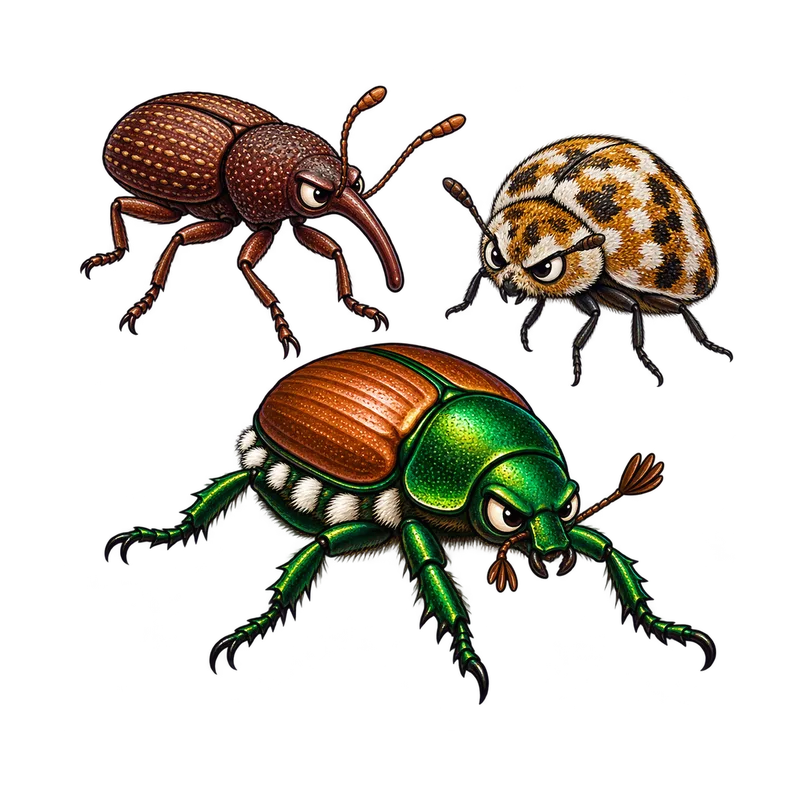
Yes, carpet beetles and their larvae can be found in a bed, where they feed on animal derived materials like wool blankets, feather pillows, and shed skin flakes. They do not bite humans or drink blood, but their microscopic shed hairs can cause itchy, red skin rashes that look like insect bites.
What is actually going on
You roll over at two in the morning, scratch a sudden angry red bump on your arm, and instantly feel a cold spike of dread. You flip on the bedside lamp, pull back the duvet, and there it is, crawling across the crisp white fitted sheet. It looks like a tiny, hairy caterpillar. Your mind races straight to bed bugs, but before you start throwing away your mattress, take a breath. Yes, carpet beetles and their larvae can indeed be found in a bed, but they are not what you think they are.
They are not hiding in your sheets to feed on you. Unlike bed bugs, carpet beetles do not possess piercing mouthparts, they do not bite humans, and they certainly do not drink your blood. A bed is simply a convenient buffet. If your bedding features feather pillows, down comforters, wool blankets, silk sheets, or even just an accumulation of stray human hair and shed skin flakes, you have laid out an irresistible feast for dermestid beetle larvae.
These creatures are scavengers by nature. The adult beetles prefer to hang out outdoors sipping nectar from flowers, but the larvae need animal-derived protein to grow. They cannot digest the polyester or cotton of your sheets, but they will gladly chew right through those fabrics to reach the down filling inside a pillow or a stray clump of pet dander tucked deep inside a mattress tuft.
How to tell for sure
People usually assume that any mysterious morning bump is a bite, but carpet beetles play a different game entirely. As these larvae crawl around your bedding, they shed their skins and leave behind tiny, translucent, hairy husks. The larvae themselves are usually small, cigar-shaped, or fuzzy like miniature woolly bears, covered in microscopic barbed hairs known as hastisetae.
When you roll around in your sleep, those microscopic shed hairs break off and embed themselves in your skin or bedsheets. Your body mounts an allergic reaction to them, creating itchy, red, bumpy rashes that look remarkably like insect bites. If you wake up with these bumps, you usually will not find any blood spots on your sheets, which is the classic signature of bed bugs. Instead, you might spot tiny, oval adult beetles near a windowsill or slow-moving hairy grubs hiding in the dark folds of your box spring.
Behavior also gives them away. Adult carpet beetles are attracted to light and usually fly toward windows, while the larvae are light-avoiding and tend to stay buried in dark, undisturbed microhabitats like mattress undersides and headboard crevices. If your bedding is entirely synthetic and you do not keep pets, finding them in the bed is usually less likely unless they have migrated from a nearby wool rug or an old bird nest tucked up in the attic eaves.
What usually comes next
Once you confirm you are dealing with carpet beetles rather than blood-sucking parasites, your main job is to cut off their food supply and clear them out of the bedroom using hot water and a vacuum. You need to strip the bed entirely and wash all the washable sheets, pillowcases, and blankets in hot water, then run them through a high-heat dryer, which usually wipes out every last one of them from eggs to fully grown adults.
For things that cannot handle the heat, like delicate wool sweaters or expensive down pillows, you can seal them in plastic bags and put them in your freezer for a few days. After that, grab a vacuum cleaner with a crevice tool and meticulously go over the mattress seams, the box spring, the bed frame, and the baseboards right beneath the bed.
One critical rule stands out above all others: never spray liquid pesticides directly onto your bedsheets, mattresses, or anywhere else you sleep. If you decide to use a chemical spray along the baseboards or bed frame joints, you must follow the product label strictly and let everything dry completely before you even think about putting clean bedding back on the bed.
When to get help
Sometimes a few stray larvae in a down pillow turn into a larger headache that requires outside intervention. If you keep waking up with persistent skin bumps, intense itching, or unexplained rashes that just will not go away, stop guessing and talk to a qualified doctor or skin specialist instead of trying to figure out the skin reaction on your own.
You should also consider calling a licensed pest management professional when the infestation clearly goes way beyond a single piece of bedding. If you find carpet beetle larvae and shed skins scattered across wall-to-wall carpeting in multiple rooms, or if the pests keep emerging from hidden structural voids like subfloors, wall gaps, or heating ducts, DIY vacuuming usually will not cut it. The same goes for situations where you have thoroughly cleaned and treated the bed for a few weeks and still find active larvae crawling around. In those cases, an expert can track down the hidden structural source, such as a forgotten rodent or bird nest in the roof, and solve the root of the problem.