
How do you get rid of weevils in the pantry?
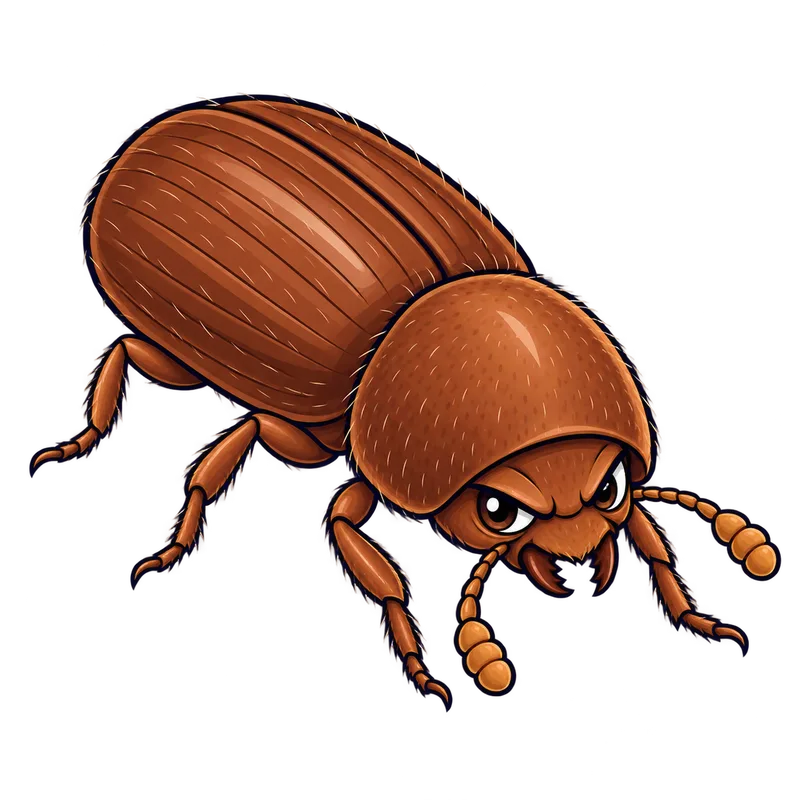
Getting rid of pantry weevils requires emptying your cabinets, throwing out contaminated items, and shifting your leftover dry goods into containers that bugs cannot chew through. You must vacuum every speck of dust from the shelves, wash the wood or wire surfaces with hot soapy water, and kill any hidden eggs in saved foods by freezing them at minus four degrees Fahrenheit for a solid week or baking them in the oven.
What is actually going on
You reach into the back of the pantry for that bag of flour you bought last month, only to notice tiny specks moving across the shelf. When you pick up the bag, you spot small beetles crawling over the cardboard, or perhaps fine, grayish powder dusting the surface. You are dealing with what most people call pantry weevils, though true snout weevils are just one small part of a larger crew of stored product pests that includes flour beetles, drugstore beetles, and Indian meal moths.
Getting rid of them is not a matter of grabbing a can of bug spray and misting the shelves. In fact, spraying pesticides around food storage areas is dangerous, violates product labels, and rarely works because these insects live deep inside the food packages where surface chemicals cannot reach. Complete eradication requires a systematic cleanup that starts with emptying your cabinets, tossing out contaminated items, and shifting your leftover dry goods into containers that bugs cannot chew through.
You have to think of an infested package of flour or birdseed like a Trojan horse. The bugs usually enter your home inside factory-sealed items bought at the store rather than crawling in through a window. Once they are inside your pantry, they set up shop, and adults or larvae will chew straight through paperboard, thin plastic, and cardboard to get to neighboring boxes.
How to tell for sure
People use the word weevil for almost any tiny bug found near food, but telling them apart usually helps you figure out where the infestation is coming from. Red and confused flour beetles are small, reddish-brown insects about three to four millimeters long that feast on milled grains and baking mixes. Drugstore beetles and cigarette beetles look similar with their rounded, humped backs, but they are omnivorous pests that usually go after spices, pet food, and dried herbs in addition to grains. If you see tiny moths with bicolored wings fluttering around your kitchen during the day or delicate silken webbing inside your cereal boxes, you are usually dealing with Indian meal moths.
Sometimes the issue is not a beetle or a moth at all, but microscopic arachnids called grain mites or tiny, wingless booklice. Grain mites usually form a fine, moving grayish-brown powder on shelves, and crushing infested flour between your fingers usually releases a distinct sweet or minty smell caused by mite secretions. Booklice are pale, soft-bodied insects that usually point to a different problem entirely. If you find them, they usually indicate that your pantry is too humid, as they depend on ambient moisture and microscopic mold for survival.
What usually comes next
Deciding what to keep and what to toss is the hard part of this whole job. If a box or bag shows live bugs, sticky silk trails, or an off smell, double-bag it in thick trash bags and carry it straight out to the outdoor bin. If items look untouched and you want to save them, you can kill any hidden eggs or grubs using a couple of reliable household methods. Toss the food into a zip-top bag and leave it in your freezer at minus four degrees Fahrenheit for a solid week, then let it sit on the counter for a full day before opening so the moisture builds up on the plastic instead of soaking into the flour. If freezing is not an option, spread your grains thin on a cookie sheet and bake them between one hundred fifty and one hundred seventy degrees Fahrenheit for forty-five to sixty minutes, making sure to put a pan of water on the bottom rack so the food does not dry out and burn.
With the shelves completely bare, grab your vacuum and use the narrow nozzle to suck out every speck of dust hiding in the corner joints and screw holes. Empty that vacuum canister into an outside trash bag right away before anything figures out how to climb back out. Wash the wood or wire shelving down thoroughly with hot soapy water and give everything plenty of time to air dry. When it is time to put your groceries away, ditch the flimsy cardboard boxes and pour your flour, rice, and oats into thick glass jars or heavy plastic containers with rubber seals that lock tight. If dampness or tiny mites were your main headache, set up a small dehumidifier to keep your indoor air humidity under fifty percent, which dries out the microscopic mold they need for dinner and finishes them off.
When to get help
Plain old elbow grease and a good vacuum usually knock out most pantry pest outbreaks, but certain setups mean you need to call in backup. If you break out in a stubborn rash, start wheezing, or notice your eyes watering after you clean out an old bag of oats, get in touch with your doctor or local poison control center. Eating or handling grain dust packed with mite debris or beetle hairs can cause real allergic reactions and skin irritation, and you want a medical professional to figure out what is going on.
If you happen to find something unusual like a khapra beetle, which is a strictly monitored quarantine pest that wrecks grain storage sites, put down the sponge and call your state agriculture extension office or local biosecurity folks right away. Massive outbreaks in commercial food spaces or complex whole-house treatments are also strictly jobs for licensed pest control professionals who know the regulations and carry the right gear.