
What are white grubs in a lawn?
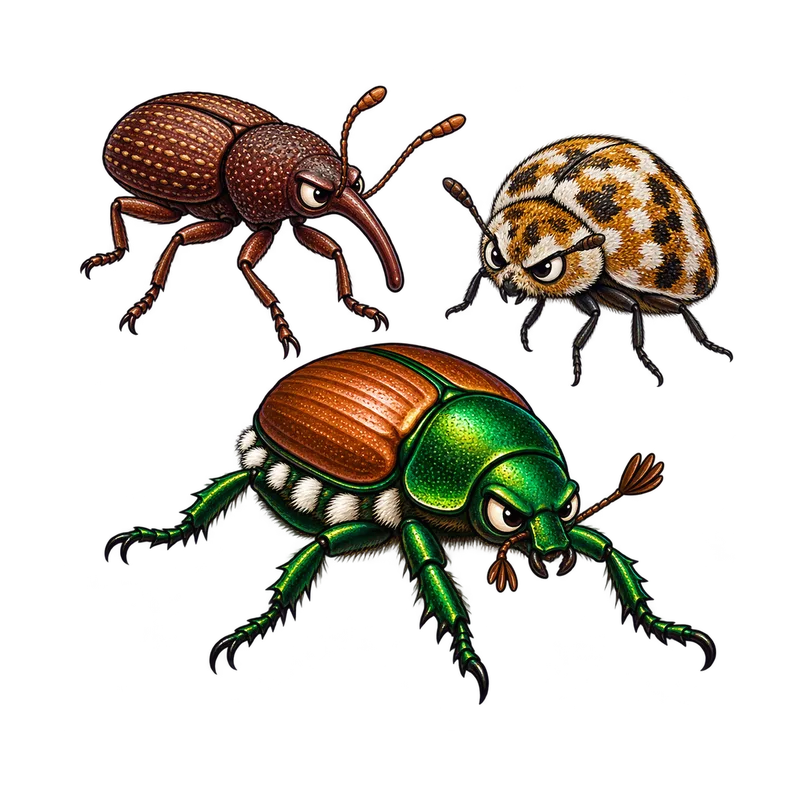
White grubs in a lawn are the immature, soil dwelling larval stage of various scarab beetles. These plump, creamy-white creatures live in the top two to three inches of soil, growing about half an inch to an inch and a half long, and chew through turfgrass root systems.
What is actually going on
Imagine stepping outside on a crisp autumn morning with your coffee cup, only to find that a patch of your front lawn looks like someone went across it with a rototiller overnight. The sod is pulled back, chunks of soil are scattered over the concrete walkway, and you are left wondering what kind of nocturnal beast decided your yard needed emergency tilling. Usually, you can blame a raccoon or a skunk doing what those animals do best, which is digging up a midnight snack. But the real culprits are hiding deeper down in the dirt, far away from the flashlight beam.
So, what are white grubs in a lawn? Simply put, they are the immature, soil-dwelling larval stage of various scarab beetles. Instead of crawling around on flowers or chomping on leaves like their adult parents, these plump little creatures spend their entire youth underground chewing through the root systems of your turfgrass. They live in the top two to three inches of soil, right where the grass anchors itself. When their populations explode, they sever those roots entirely.
You might wonder why a lawn starts showing irregular, straw-colored patches that look suspiciously like drought stress even when you run the sprinklers three times a week. That is the underground destruction finally showing up above ground. Without roots, the grass blades lose their lifeline to water and nutrients. If you grab a handful of that dying turf and pull, it often lifts or rolls right back off the dirt like a loose bedroom area rug because nothing is holding it down anymore.
How to tell for sure
Do not guess what is chewing up your grass based on a vague feeling or a brown spot by the mailbox. You have to get your hands dirty to know for certain. Grab a sharp spade and cut a one-foot square of turf about three inches deep right along the border where the green grass meets the dead patches. Fold that sod square back like the page of a book and look closely at the exposed roots and loose dirt.
You are usually looking for a plump, creamy-white to light-yellow creature that is about half an inch to an inch and a half long. If you disturb them, they usually curl up into a tight, defensive shape that looks just like the letter C. They have a distinct, hard brown head capsule equipped with chewing mouthparts, three pairs of jointed legs right behind the head, and a darker rear end where the soil they have been eating shows right through their translucent skin.
People often confuse white grubs with billbug larvae, but the distinction is straightforward once you look closer. Billbug larvae are smaller and completely legless, and they tend to feed inside the stems and crowns of the grass rather than pruning the roots below. If your turf feels spongy underfoot like a broken mattress spring, and you find those curled, C-shaped grubs with legs in the soil beneath, you are dealing with white grubs.
What usually comes next
Once you confirm the problem, you have to decide whether it demands immediate action or if the turf can simply muscle through it. This is where counting actually matters. Take a few more spade samples across the yard to establish an average count per square foot. If you maintain a vigorous, heavily watered lawn, the grass can often tolerate twenty or more grubs per square foot without showing top growth damage. For an average residential lawn, however, the threshold is typically around five to ten grubs per square foot before you need to treat.
Timing rules everything here, and treating during the wrong window is simply a waste of time and money. Attempting to kill large, mature grubs with chemicals in early spring rarely works because those insects are already finishing their life cycle and preparing to transform. Preventive treatments work best when applied in early to mid-summer right after the tiny new eggs hatch.
If you choose to use a control product, remember that dry granules do nothing if you just scatter them and walk away. They sit harmlessly on the grass blades and thatch until moisture hits them. You generally need to irrigate immediately after an application to wash the active ingredients down through the thatch layer and directly into that top root zone where the grubs feed. If your lawn features a thick thatch layer over half an inch deep, you may need to dethatch first so the treatment can actually reach the soil.
When to get help
Sometimes a grub issue outgrows a simple weekend DIY project, or it crosses into territory that demands outside expertise. You should contact a licensed professional pest control firm if your grub counts surge past twenty per square foot across a wide area, or if vertebrate predators like raccoons and armadillos have already torn up large sections of your sod beyond easy repair. Professionals have access to specialized equipment, such as sub-surface liquid injectors, and restricted-use products that can handle heavy infestations quickly.
There are also safety and wildlife considerations to keep in mind. If you use chemical treatments, always follow the product label down to the letter, as using these materials inconsistently with their instructions violates the law. Keep children and pets off treated turf until sprays dry completely or granular applications are properly watered in and the grass is dry. Neonicotinoid treatments can also pose risks to bees and pollinators, so you should mow down flowering weeds like clover and dandelions before applying anything so foragers are not attracted to the area.
Finally, remember that the animals digging up your yard are wild creatures protected by state regulations. Trapping and relocating nuisance mammals without the proper state permits is illegal in many places, and animals like raccoons and skunks can carry rabies. If you see a wild animal acting strangely, losing its balance, or showing uncharacteristic daytime boldness, never approach it or try to handle it yourself. Contact local animal control or your state wildlife agency immediately and leave the wildlife management to the professionals.