
What do vine weevil larvae look like?
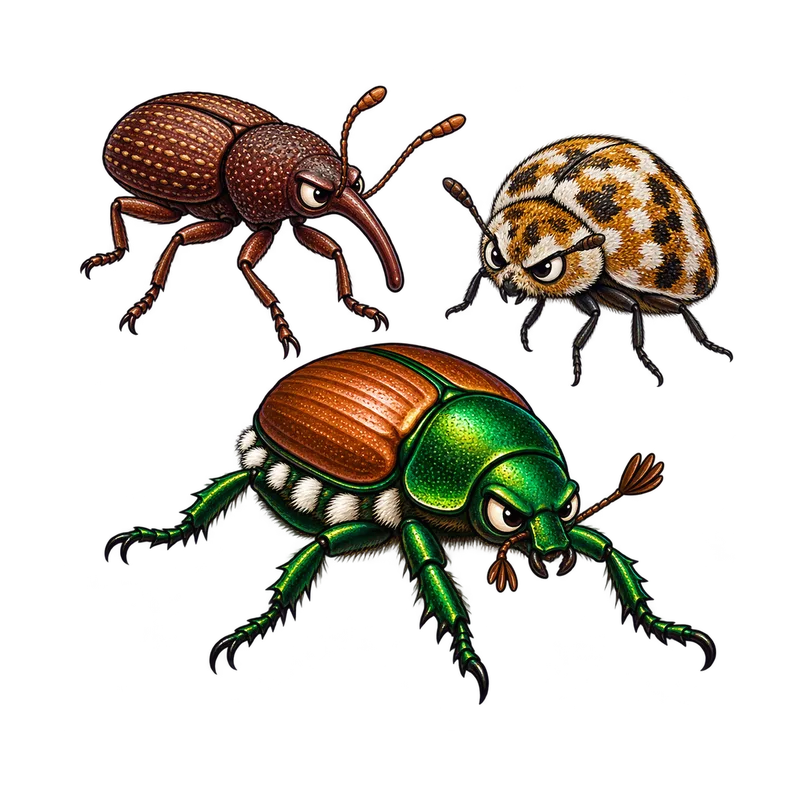
Vine weevil larvae are plump, legless, crescent-shaped grubs with a creamy-white body and a distinct pale brown head capsule. When fully grown in subterranean root zones, these pests measure up to half an inch in length. They look remarkably like a pale piece of cooked elbow macaroni as they curl up into their signature posture.
What is actually going on
You walk out to the back patio on a crisp autumn afternoon, hoping to check on your favorite potted fuchsia or rhododendron, only to find it looking remarkably sad. The leaves are drooping and dull, even though the potting mix feels plenty damp. You give the stem a light tug, and the whole plant slides right out of the pot with practically no resistance at all. When you brush away the loose media around the root ball, you spot a handful of plump, pale, crescent-shaped grubs nestled right against the chewed-up roots.
Vine weevil larvae are plump, legless, C-shaped grubs with a creamy-white body and a distinct pale brown head capsule, measuring up to half an inch in length when fully grown in subterranean root zones. If you have ever dropped a piece of pale cooked elbow macaroni onto the kitchen floor, you already have a pretty good mental image of what these pests look like as they curl up into their signature posture. They spend the autumn, winter, and spring months living underground in containers and garden beds, munching quietly on fine feeder roots and stripping the outer bark off main stems.
By the time you notice the foliage collapsing above ground, the underground damage is usually well underway. People often make the mistake of assuming the drooping plant is simply thirsty, so they pour on more water, which only accelerates the rot on roots that have already been severed. Think of the larval feeding process like cutting a drinking straw in half underground. No matter how much water you pour into the container, the plant cannot pull it up because its pipeline has been permanently snipped.
How to tell for sure
The absolute best way to confirm what you are looking at is to perform what gardeners call the leg check. Flip the white, jelly bean-shaped grub onto its back and look closely at its thoracic region right behind that caramel-colored head capsule. If you see three distinct pairs of tiny jointed legs scrambling around, you are usually looking at a scarab beetle grub, such as a Japanese beetle or chafer grub, which usually prefers lawns over potted patio plants.
Vine weevil larvae, by contrast, are completely legless. They are smooth and smooth-sided, lacking both true legs and abdominal prolegs, which separates them instantly from lawn grubs and other soil-dwelling insects. You will usually find them curled tightly into a C-shape when you unearth them from potting media or garden soil.
You can also look for clues above ground before you even start digging in the dirt. Adult female vine weevils emerge in late spring and feed strictly at night, chomping distinctive semicircular notches out of leaf margins. If your rhododendron or begonia leaves look like someone went along the edges with a ticket puncher, you usually have adult weevils upstairs and can usually expect their legless offspring underground later in the season.
What usually comes next
When you discover an active infestation in a container plant, your main practical choice usually comes down to whether you want to salvage the plant manually or treat the entire growing area with biological controls. For a few potted plants on a patio, unpotting the root ball, washing away the old media, hand-picking every single legless grub, and repotting the plant into fresh, uninfested potting mix is usually the most straightforward path forward.
If you are dealing with a larger garden bed or dozens of vulnerable container plants, manual inspection stops being practical, and many gardeners turn to beneficial nematodes. These are microscopic parasitic roundworms that you mix with water and apply as a soil drench. They actively cruise through moist potting mix, enter the grubs through natural body openings, and release symbiotic bacteria that stop the pests within a couple of days.
Timing is everything here, as nematodes need warm enough soil and active young grubs to work properly. Applying them in late summer or early September gives you the highest chance of success. If your soil is heavy clay or dries out completely, nematodes will struggle to move around, so keeping the media evenly damp before and after application is essential. Never alter pesticide or nematode label directions or invent your own spray concentrations, and always rely on the official product instructions for application rates and safety gear.
When to get help
Vine weevil larvae and adults do not bite, sting, or carry human pathogens. If anyone in your household experiences unexplained skin irritation, bites, or allergic reactions, contact a clinician, urgent care, or poison control center right away, and remember that skin symptoms should never be diagnosed as a pest issue by guesswork.
If you run a commercial nursery or discover unknown legless grubs in regulated agricultural commodities or imported plant shipments, you should contact your local university extension service, state department of agriculture, or national plant protection agency for formal identification and guidance. Large-scale commercial property treatments or restricted-use chemical applications require a licensed pest control professional who can ensure compliance with local environmental regulations and label laws.