
What do vine weevil grubs look like in a UK plant pot?
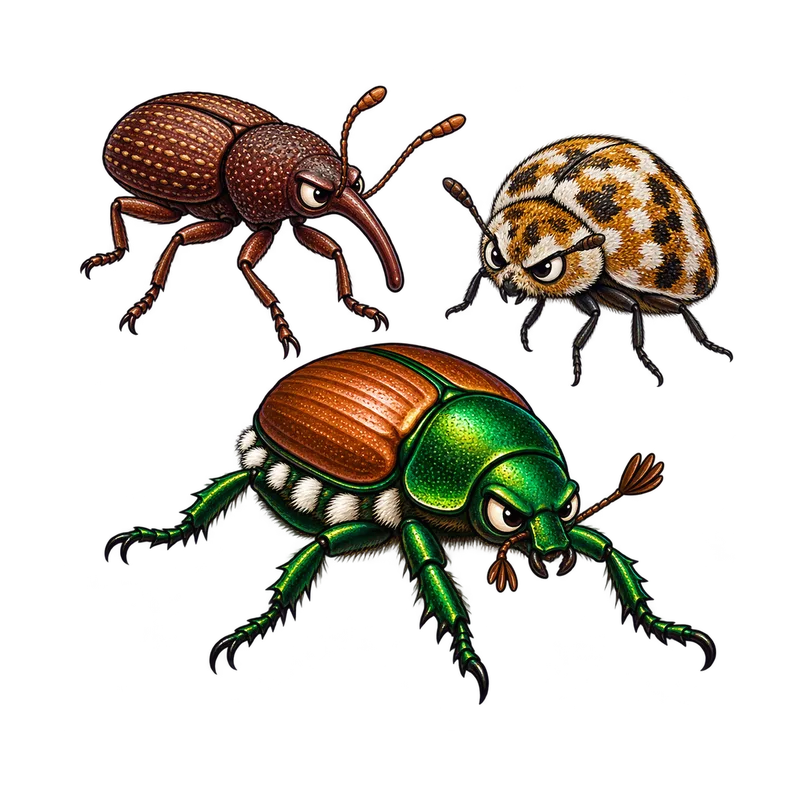
Vine weevil grubs in a UK plant pot are plump, opaque, creamy white, and completely legless pests shaped like the letter C. They are roughly 10 mm long, featuring a prominent and shiny light brown head capsule.
What is actually going on
Picture a mild Tuesday morning in late October. You walk out to the patio with your coffee, ready to admire the big, dependable fuchsia or the potted heuchera you bought over the summer. Except something is off. The plant looks like it missed a month of water, drooping heavily over the rim of the pot. You grab the watering can, give it a thorough soak, and walk away, figuring it just got thirsty in the autumn breeze. By Thursday, it is worse. In fact, if you grab the stems and give them a gentle tug, the entire plant lifts right out of the pot with zero resistance, leaving behind a root ball that crumbles apart like dry cake mix.
What is actually going on down there is a quiet, devastating feast. Hidden within the potting compost, a handful of plump, creamy white grubs have spent the last few weeks chewing through every last bit of the root system. These are vine weevil larvae, and a single container pot is basically an all-you-can-eat buffet with locked doors. In open garden soil, plant roots spread wide and generalist predators like beetles, toads, and birds keep things in check. In a patio pot, however, the root volume is strictly bounded by the walls of the container. Once these underground pests finish off the fine feeder roots in late summer, they turn their attention to the main structural roots and stem bases, essentially girdling the plant and cutting off its water supply entirely.
Why do they target pots so ruthlessly? Because peat-based or coir-based potting media holds moisture beautifully and offers zero natural predators. A single adult female weevil, emerging earlier in the summer as a flightless, nocturnal visitor, crawled up your container and tucked dozens of tiny eggs into the soil. Those eggs hatched into tiny larvae that immediately started burrowing. By the time you notice the wilting foliage, the vascular connection between the roots and shoots has been severed, and no amount of watering will save a root system that no longer exists.
How to tell for sure
If you tip that collapsing plant out onto a piece of cardboard to inspect the damage, you are usually looking for a very specific creature. Vine weevil grubs in a UK plant pot are plump, C-shaped, and usually about 10 mm long, which is roughly the size of a single grain of long-grain rice or a standard metal paper staple. Their bodies are an opaque, creamy white, soft-textured, and completely legless. If you look closely, you will see a prominent, shiny light brown head capsule that looks almost like a tiny caramel bead fitted onto the front of the body.
Why is that legless feature so important? Because it stops you from misidentifying the pest. If you dig up a white grub in your garden soil and notice three pairs of distinct, jointed legs near the front, you are usually looking at a scarab beetle larva, such as a chafer grub. Vine weevil grubs have zero legs and move through compost entirely by body contractions. You might also mistake them for tiny fungus gnat larvae if you are not paying attention, but fungus gnat larvae are slender, translucent worms with a glossy black head capsule that rarely grow past 3 mm.
One detail that often surprises gardeners is that you usually will not find just one grub. Container potting media can easily harbor half a dozen or more of these C-shaped pests tucked right against the root crown, feeding unseen through autumn, winter, and early spring.
What usually comes next
Once you confirm what is munching on your roots, you have to decide what to do with the plant and the surrounding pots on your patio. If the root system is completely destroyed and the stem base is hollowed out, the plant is usually a lost cause, and tossing it into the green waste bin is the most practical choice. Do not be tempted to reuse that old potting compost for new patio pots without treating or solarizing it first, because surviving grubs or hidden eggs will simply carry on their work next season.
For plants that still have a fighting chance with a few functional roots remaining, you can wash the old compost away from the root ball with clean water, inspect the stem for boring damage, and repot the specimen into fresh, pest-free potting media. If you are trying to protect neighboring pots that look healthy right now, you usually turn to biological control rather than chemical sprays. Foliar insecticides do not reach underground grubs, and they tend to kill off the beneficial ground beetles that hunt adult weevils anyway. Instead, introducing beneficial entomopathogenic nematodes into moist compost in late summer gives you the best defense before the larvae grow large enough to destroy the roots.
When to get help
There are moments when standard garden management steps aside and you need to bring in external expertise. If you are running a commercial nursery, managing large public amenity spaces, or dealing with high-value imported container stock, standard homeowner solutions rarely suffice and compliance with professional plant health standards becomes mandatory.
You should also consult a professional, a local agricultural extension office, or the relevant national plant health authority if you suspect an unusual, high-risk regulated quarantine pest in imported plants rather than a standard vine weevil. In the United Kingdom, professional operators are legally required to report suspected alien or notifiable pests immediately to official bodies like the Plant Health and Seeds Inspectorate for England and Wales, the Science and Advice for Scottish Agriculture, or the Department of Agriculture, Environment and Rural Affairs in Northern Ireland.
For home gardeners dealing with heavy pesticide products, always remember that the product label is a legally binding document. If you choose a registered chemical drench instead of biological nematodes, you must follow every instruction on the label precisely regarding application rates, protective gear, and runoff safety. If any accidental exposure, severe skin irritation, or chemical poisoning occurs during application, contact a medical clinician or your regional poison control center without delay.