
Flour beetles vs flour mites: how can you tell?
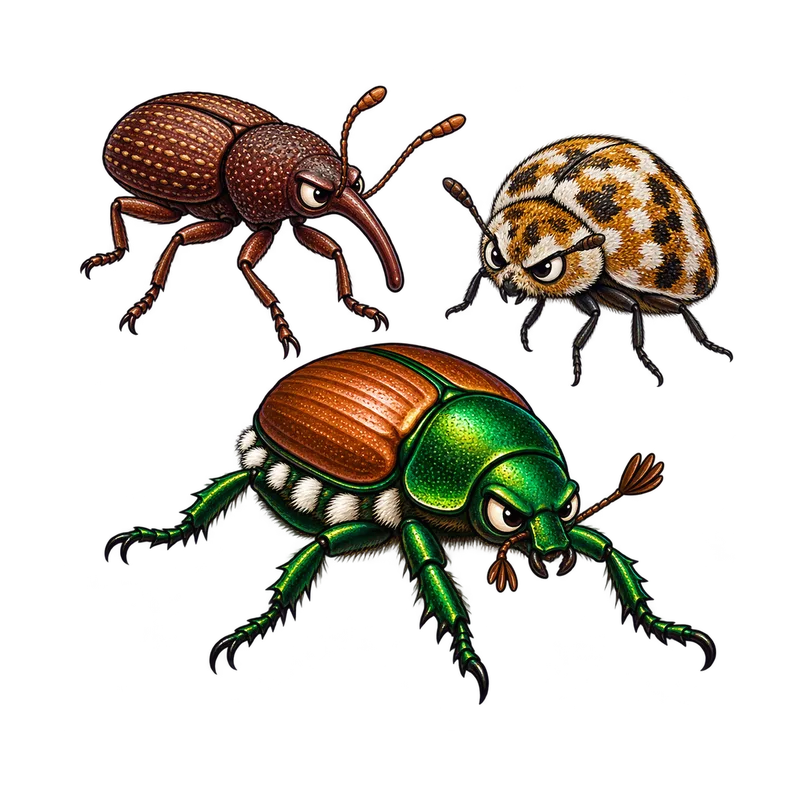
You can tell the difference between flour beetles and flour mites by their size, appearance, and smell. Flour beetles are visible, reddish-brown insects about the size of a sesame seed that leave a sour chemical odor. Flour mites are microscopic, eight-legged arachnids that appear as a moving layer of gray dust and smell like mint.
What is actually going on
You are standing in the kitchen on a quiet Sunday morning, ready to mix up a batch of pancakes. You reach into the back of the pantry for that half-used bag of all-purpose flour, but when you tilt it toward the measuring cup, something looks wrong. Instead of smooth, dry white powder flowing freely, the flour seems sluggish, clumped together, and maybe a little grey. Worse yet, when you look closer along the rim of the container or the wooden shelf beneath it, you spot movement.
The short answer is that you are dealing with one of two very different pantry pests, and figuring out which one depends entirely on whether you are looking at tiny, six-legged insects or microscopic, eight-legged arachnids. Flour beetles are visible, reddish-brown bugs about the size of a sesame seed, while flour mites are nearly invisible individually, showing up instead as a shifting, powdery layer of gray dust.
People often lump all pantry bugs together under a vague heading of weevils or pantry bugs, but that shortcut hides what is actually happening in your dry goods. Beetles are true insects with hard wing covers, and they chew their way through grain fragments, leaving behind a sour, chemical smell. Mites are distant relatives of spiders and ticks, thriving only when moisture levels climb, and they turn your flour into a crawling, mint-scented mess.
How to tell for sure
Telling these two invaders apart usually comes down to scale, movement, and a rather peculiar sensory test. If you can clearly pick out individual reddish-brown bugs measuring about three to four millimeters long as they scamper rapidly across your baking sheets or cabinet shelves, you have flour beetles. They walk on six legs, and depending on the exact species in your pantry, they might even take flight if the kitchen gets warm enough.
If you do not see individual bugs at all, but rather notice that the flour surface looks like a soft, shifting layer of fine tan or grayish dust, you are usually looking at flour mites. Each individual mite is microscopic, measuring just a fraction of a millimeter, so you only spot them when millions band together to make the whole pile look alive. Mites crawl very slowly on eight legs and cannot fly.
When your eyes leave you guessing, your nose can usually finish the job. Take a small pinch of the suspicious flour and roll it firmly between your thumb and forefinger, then take a sniff. If you catch a sharp, pungent, or sour chemical odor, that points straight to the defensive secretions of flour beetles. If you get a distinct, sweet, minty, or wintergreen scent, you are dealing with flour mites. You can also test a sample by spreading a thin layer of flour onto a sheet of black construction paper under a bright light and waiting a couple of minutes. If the pile slowly flattens out as tiny cream-colored specks crawl across the black paper, the dust is alive with mites.
What usually comes next
Once you have figured out what is living in your food, your next move is deciding what goes into the trash and what gets kept. Because neither beetles nor mites can chew through thick, intact glass or tightly sealed metal packaging on their own, they usually go after ripped paper bags, half-open boxes of cereal, or bags tucked away in the back of the pantry for too long.
Instead of spraying toxic chemicals near your baking supplies, which you should never do inside food storage areas anyway, you need to rely on old-fashioned cleaning and temperature control. Empty the entire shelf, drop the contaminated food into heavy plastic garbage bags, and walk them out to the outside bin right away. Wash down the empty wood or wire shelves with warm, soapy water and give them time to dry.
If you have expensive grains or unopened packages that look clean, you can use cold treatment to make them safe. Keeping dry goods in a freezer that runs at zero degrees Fahrenheit for about two days will finish off mites, while leaving those same items frozen for up to a week deals with every life stage of the beetle. After you clean up, store all your new flour, oats, and dry pet food in sturdy containers with tight rubber gaskets. Because mites need high humidity to thrive, keeping your pantry dry with a household dehumidifier can stop them from returning.
When to get help
Finding bugs in your flour is mostly an annoying waste of groceries, but there are times when you should let a professional handle it. If you run a commercial kitchen, a bakery, a grain storage facility, or a food plant, spotting these pests means you need to bring in a licensed pest control operator right away for proper commercial treatment.
At home, health worries can sometimes turn a simple cleanup job into a medical issue. Mites do not bite people or pets, but breathing in their dust or handling infested flour can cause severe skin irritation and itchy rashes. Inhaling mite fragments while cleaning out a dusty cupboard can also trigger allergic reactions, watery eyes, and sudden asthma symptoms in people who are sensitive to them.
If anyone in your house ends up with stubborn skin rashes, breathing trouble, or bad allergy symptoms after you clean the pantry, step away from the mess and call a doctor, an allergist, or an urgent care clinic immediately.