
How do you deal with gophers in a yard?
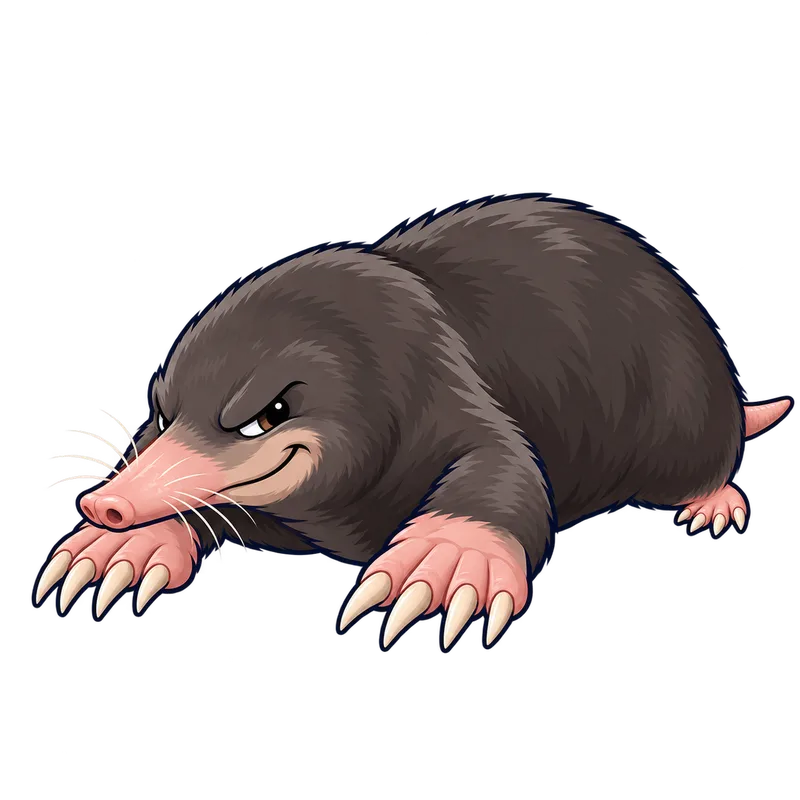
Dealing with pocket gophers in a yard requires a systematic approach using a mix of physical barriers, smart trapping, and habitat care. To trap them successfully, you must locate their deep main runway rather than setting traps in the loose dirt of surface mounds. If trapping fails for two or three weeks, contact a licensed wildlife control operator.
What is actually going on
You step out onto the back lawn on a quiet Tuesday morning with your coffee, only to spot three fresh, crescent-shaped heaps of dark dirt sitting squarely in the middle of your pristine turf. Yesterday, the grass looked fine. Today, it looks like someone took a miniature bulldozer to your landscaping. If you tug on nearby plants, they might even slide right into the soil as if plucked by an invisible hand. You are dealing with pocket gophers, and they spend most of their lives hidden completely out of sight in an extensive maze of underground tunnels.
Most people make the mistake of treating a gopher problem like a quick weekend chore, dropping a single trap or flooding a hole and hoping for the best. That rarely works for long. Gophers operate a bit like civil engineers running an underground transit system. They dig a permanent, deep highway below your lawn, and they push excavated dirt up through temporary side ramps to get it out of their way. When you pull one gopher out of a tunnel system without blocking future entry or changing what drew them there in the first place, another animal from down the street simply packs its bags and moves right into the vacant property.
Controlling these animals takes a systematic approach, which means you need a mix of physical barriers, smart trapping, and habitat care instead of relying on one single trick. You also have to accept that your goal is bringing the damage down to a level you can live with, rather than trying to permanently sterilize your neighborhood of wildlife. Understanding how they build and move is the only way to stop them from turning your yard into their private dining room.
How to tell for sure
Before you buy a single trap or piece of wire, you need to confirm who is actually tearing up the yard because different underground guests require entirely different tactics. Pocket gophers usually leave distinct fan-shaped or crescent-shaped dirt mounds where the entrance hole is plugged up with loose soil off to one side. If your yard has neat, volcano-shaped conical mounds with the plug right in the center, you are probably looking at mole activity instead. Moles eat grubs and worms, while gophers are strict vegetarians dining on your prize flower bulbs and tree roots.
If you see raised surface runways where the grass is pushed up into open ridges, that usually points to voles rather than gophers. Gophers almost never leave open holes exposed to the surface because they keep their tunnel networks plugged tight to maintain humidity and keep predators out. You can also look closely at your plants. When a gopher is working underneath, vegetation suddenly wilts because the roots have been cleanly sheared off from below.
Physical features confirm the culprit if you happen to get a look at a specimen. Gophers usually have large, fur-lined external cheek pouches for carrying food, powerful clawed front feet for digging, and large front teeth that stick out even when their lips are closed. In most typical residential yards, you can trust these visual cues without needing a specialist. However, if your soil is so rocky or dry that mounds lack any clear shape, or if you cannot tell whether gophers or moles are doing the damage, it usually helps to bring in a local extension agent or a professional to take a look before you start digging up your lawn.
What usually comes next
Once you have figured out who is to blame, you need to pick a practical way to handle them, and that means putting your gear in the right spot. People often make the mistake of shoving a trap right into the loose dirt of the surface mound or the side plug. Gophers seal off those side ramps once the dirt is cleared out, so a trap placed there will only catch a mouthful of dirt. You need to track down the deep, permanent main runway.
To find that main line, step a short distance away from the plugged side of a fresh mound and poke the ground with a long metal rod until you feel the tool slip easily into the hollow tunnel. Dig a small hole down to that main runway, clear out any loose dirt, and set a pair of gopher traps facing opposite directions so an animal coming from either side will set it off. Cover the hole with a board and seal the edges with soil so no light or air leaks in. Check those traps daily, and if you catch nothing after a few days, move your setup to a fresh mound.
If you are putting in new garden beds or expensive shrubs, physical barriers work wonders. Line the bottom and sides of the planting area with galvanized wire mesh featuring quarter-inch or half-inch squares, and bury it deep with an outward bend at the bottom to stop them from digging underneath. You can also skip those vibrating plastic stakes because gophers quickly get used to the noise and ignore them entirely. Avoid flooding the tunnels with a garden hose as well, since their extensive systems just absorb the water or trap air, leaving you with a soggy lawn and unharmed gophers.
When to get help
Some situations call for professional muscle or local authorities instead of a quick weekend fix. If your property borders a large open field, a ranch, or several neighboring yards with active gopher populations, trapping alone turns into an endless cycle as new animals constantly move into your grass. In those larger scenarios, you need perimeter management or professional burrow-building equipment to keep the numbers down.
Safety is another major concern. If you plan on digging deep trenches for wire mesh or probing your lawn extensively, you must call a utility locator service first to avoid hitting shallow electrical lines, fiber-optic cables, or irrigation pipes. When dealing with chemical baits, you have to remember that federal and state laws state that the product label is the law. Using restricted toxicants incorrectly poses severe secondary poisoning risks to domestic pets, neighborhood cats, and birds of prey. Never use chemical baits above ground, and never alter how the product is applied.
If you have to handle dead rodents, always use gloved tools or inverted plastic bags, double-bag the remains, and toss them out according to local waste rules. Should anyone suffer a rodent bite or scratch, skip the home remedies and contact a medical clinician or public health authority right away. Finally, if your own trapping efforts yield nothing after two or three weeks of daily monitoring, or if local laws restrict what kind of traps you can use, hand the job over to a licensed wildlife control operator who handles these underground critters every single day.