
Moles vs voles: what is the difference?
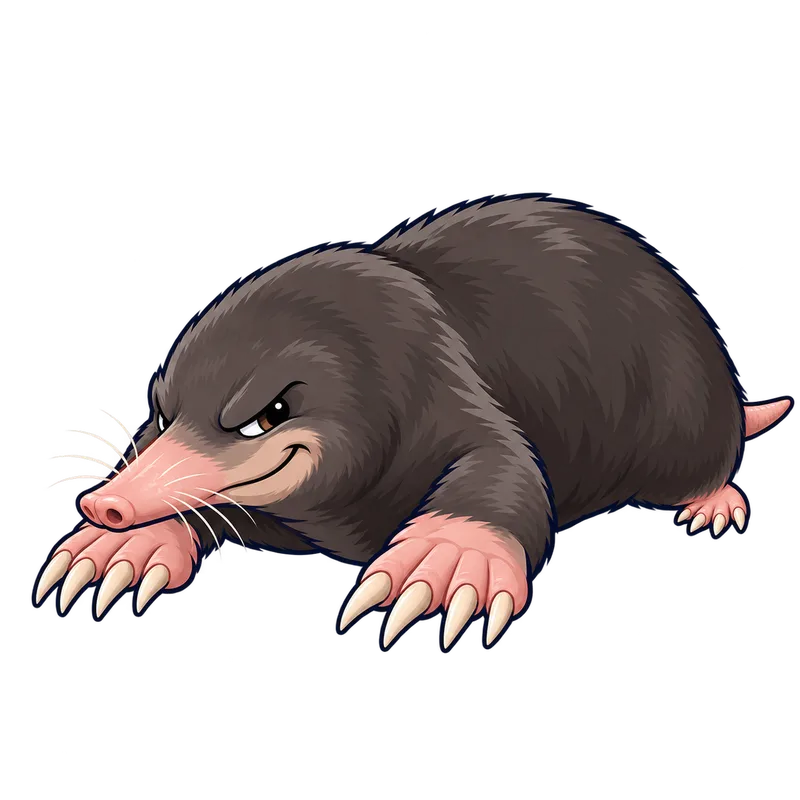
Moles and voles differ mainly in their appearance and what they eat, since moles are insect-eating mammals with paddle-shaped front paws, while voles are plant-eating rodents. The distinction also shows in their yard damage, as moles leave raised ridges and conical mounds of soil, whereas voles create open surface runways and chew tree bark.
What is actually going on
You walk out onto the lawn on a crisp Saturday morning with your coffee, ready to admire the green, only to spot a snaking ridge of raised dirt cutting right across your neat turf. Or maybe you find a small, cone shaped mound of fresh soil sitting right in the middle of the yard. Naturally, you assume some pest has moved in to ruin your weekend. But before you go declaring war, you need to know who you are actually fighting. Are you dealing with a mole or a vole?
It is easy to lump them together as generic yard wreckers, but these two animals could not be more different. Moles are not rodents at all. They belong to a completely different group of mammals, spending their entire lives underground acting like miniature subterranean tunnel engineers. They have paddle shaped front paws built for digging and pointed snouts, and they exist almost entirely on a diet of earthworms and grubs. They do not care about your prize tulip bulbs or your vegetable garden roots.
Voles, on the other hand, are absolute plant eating rodents. Often called meadow mice, they have stocky bodies, small ears, and short tails. They live on the surface, clipping grass blades to create clear little runways through your turf and gnawing the bark off the bases of your young trees and shrubs. When you see plant damage, you are almost always looking at vole work, even if the critters happened to travel through a tunnel abandoned by a mole.
How to tell for sure
Figuring out which culprit you have in the yard usually comes down to reading the physical signs they leave behind. You do not need to catch the animal in the act to know who is visiting. Look closely at the ground disturbance. If you see raised, spongy ridges of earth pushed up from below, or small conical volcano mounds of loose soil, you are usually looking at territory managed by moles. They push up the turf from underneath as they hunt for grubs.
If you do not see raised tunnels, but instead find neat, open runways cut right through the grass blades about an inch or two wide, you have voles. These surface pathways look like tiny highways cleared through the turf. Winter snowmelt often reveals massive networks of these runways that were hidden from view all season. You might also spot tiny tubular droppings scattered along these surface trails, or notice that the bark around the bottom of your fruit trees has been cleanly chewed away at the soil line.
If you manage to track footprints in mud or fresh snow, the anatomy gives it away immediately. Rodents like voles leave tracks showing four toes on their front feet and five toes on their hind feet. Moles rarely leave clear individual footprints because of their underground habits, but their broad digging claws leave wide, smeared gouges in the soil rather than neat little toe pads.
What usually comes next
Once you have figured out who is digging up the yard, you need to resist the urge to buy the nearest quick fix off the hardware store shelf. Those ultrasonic lawn spikes that promise to chase pests away with a constant electronic hum? Skip them entirely. There is very little proof that they work for long, and the animals simply get used to the noise after a couple of days.
Instead, you want to focus on basic yard upkeep and physical barriers. For voles, the smartest move is taking away their cover. Keep the grass cut low, clear away heavy brush piles, and pull tall weeds back from your garden beds and fence lines. Voles hate open spaces because hawks and neighborhood cats can spot them too easily, so they will usually pack up and move somewhere else when you take away their hiding spots.
If you have expensive plants or young trees that voles keep chewing on, you have to block them out. Bury a fine wire mesh about six inches down into the dirt around your garden, letting it stick up a foot or so above the ground. This stops the animals from burrowing underneath or gnawing through the stems. If you decide to use traps, ordinary wooden snap traps placed right across their surface runways with a dab of peanut butter work well. Just remember that trapping will not fix everything if you leave the tall grass alone, because new pests from the neighbors will just move right into the empty space.
When to get help
There comes a point when a do it yourself approach stops being practical, and you need to hand the job over to someone else. If the damage covers a huge piece of land, involves complicated tunnel networks, or if you think you might be dealing with a protected animal, you should call a licensed wildlife control professional or your local agricultural extension office.
Laws about trapping and moving wild animals change a lot depending on where you live. In many places, it is actually illegal to catch a nuisance animal and drop it off in a public park or state forest. Transporting wild creatures spreads stress, parasites, and sickness, which is why local regulations are so strict.
You also need to treat health warnings with common sense. Small mammals can carry diseases, ticks, and fleas. If a person or a pet gets bitten or scratched by a wild mole or vole, do not try to handle the animal or guess at the risk. Contact a medical clinician, an urgent care clinic, or your local public health authority right away for proper guidance.