
Mole tunnels vs gopher mounds vs vole runways: what differs?
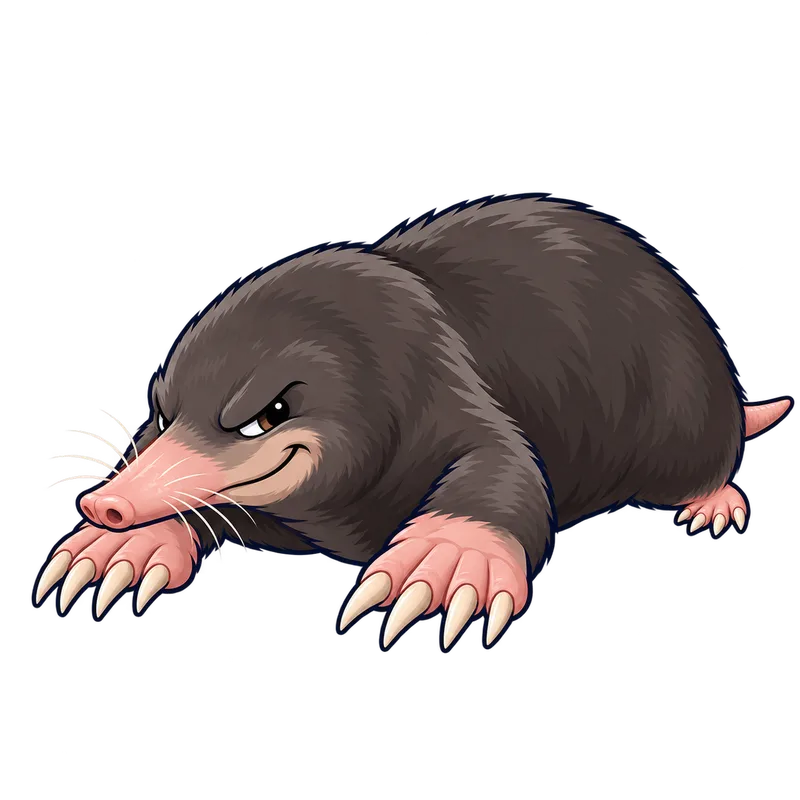
Mole tunnels, gopher mounds, and vole runways differ in their shapes and signs of yard damage. Moles leave raised squishy ridges and round symmetrical mounds, while pocket gophers push up fan shaped mounds with off center plugs. Voles are tiny rodents that chew narrow open pathways directly through the grass canopy.
What is actually going on
Picture stepping out onto your lawn on a bright spring morning with a cup of coffee, only to feel the turf dip and buckle beneath your sneakers like an old mattress. Or perhaps you notice a fresh pile of dirt sitting right in the middle of your prized fescue. It is easy to assume a single underground culprit is wreaking havoc on your yard, but lawn damage usually points to one of three very different animals playing entirely different games beneath your feet.
Moles, pocket gophers, and voles often get lumped together in casual conversations, but their habits and diets diverge sharply. Moles are insect hunters, meaning they do not care about your tulip bulbs or vegetable roots. They are simply plowing through the topsoil in search of earthworms and grubs, pushing the sod upward into soft ridges or volcano mounds. Pocket gophers are burrowing rodents that run on a strict plant diet, pushing up fan-shaped mounds of dirt with distinctive plugged entry holes off to the side. Voles are tiny, mouse-like rodents that prefer to stay near the surface, chewing narrow highways through the grass and stripping bark from young shrubs.
Why does this mix-up happen so often? Because these animals are opportunistic neighbors. A mole carves out a deep tunnel system to hunt grubs, and a vole later sneaks into those same runs to raid plant roots, leaving you scratching your head over who actually killed the hosta. Understanding the differences starts with looking closely at the specific shape of the soil displacement and the state of the surrounding grass.
How to tell for sure
Reading the yard comes down to matching the physical sign to the animal behind it. Moles usually leave raised, squishy surface ridges where they forage just beneath the sod, alongside round, symmetrical dirt mounds pushed straight up from deeper shafts. If you push your foot down on a mole ridge, it usually collapses because there is an open air pocket right underneath.
Pocket gophers take a different architectural approach. They excavate lateral side tunnels and push earth out into distinct crescent- or fan-shaped mounds. If you look closely at a gopher mound, you will usually find a circular soil plug sitting off-center where the animal sealed the entrance hole behind it. They rarely leave open surface tracks, preferring to keep their underground fortress tightly shut.
Voles leave a signature that looks completely different because they rarely displace large volumes of dirt. Instead, they chew narrow, open surface pathways through the grass canopy. These runways become glaringly obvious right after a winter snowpack melts, exposing a network of tiny trails littered with grass clippings and small droppings. If your young fruit trees have been stripped of bark right at the soil line, or root crowns are chewed away, voles are usually the ones to blame.
What usually comes next
Property owners often head straight for the garden center aisles, hoping to find a magic bait or a vibrating plastic stake that clears out the yard in a weekend. Unfortunately, treating a subterranean pest problem like a one-time extermination project rarely works out the way the package promises. Relying solely on quick fixes fails because vacant underground niches are rapidly reoccupied by neighboring animals looking for a quiet place to settle.
Making a lasting dent in the problem requires a wider view that combines prevention, habitat adjustment, and careful monitoring. Before buying traps or repellents, check whether the runways or tunnels are actively in use by placing a small piece of tape or a crossed stick across the opening for a few days to see if it gets pushed aside. Modify the habitat by keeping the lawn mowed short before winter to deny voles the overhead cover they need, and clear away thick brush piles that offer easy shelter. If you decide to use physical exclusion like wire mesh around garden beds, bury the metal down deep with an outward flare to stop burrowing rodents from tunneling underneath.
When to get help
Some yard problems outgrow the scope of a weekend project and require outside expertise. You should bring in a licensed professional if extensive subterranean tunneling begins to undermine the structural integrity of your building footings, retaining walls, paved driveways, or patio slabs.
When dealing with animal droppings in enclosed spaces like crawl spaces or attics, health risks rise sharply. Never clean up rodent latrines with bare hands or stir up dust with a leaf blower, as inhaling contaminated dust can expose you to serious pathogens. Wear a respirator mask, heavy-duty gloves, and rubber boots, and remember that household bleach does not kill roundworm eggs, meaning physical soil removal or boiling water is required to properly decontaminate the area.
If you suspect a wild mammal bite or direct contact, immediately reach out to a clinician, urgent care facility, or your local public health authority for medical direction and rabies evaluation. Finally, keep in mind that many wild vertebrates are protected by laws, and live-trapping and relocating nuisance wildlife is heavily restricted or outright illegal in many regions to prevent the spread of disease. A local wildlife professional can help address these regulations safely and legally.