
How do you deal with moles in a yard?
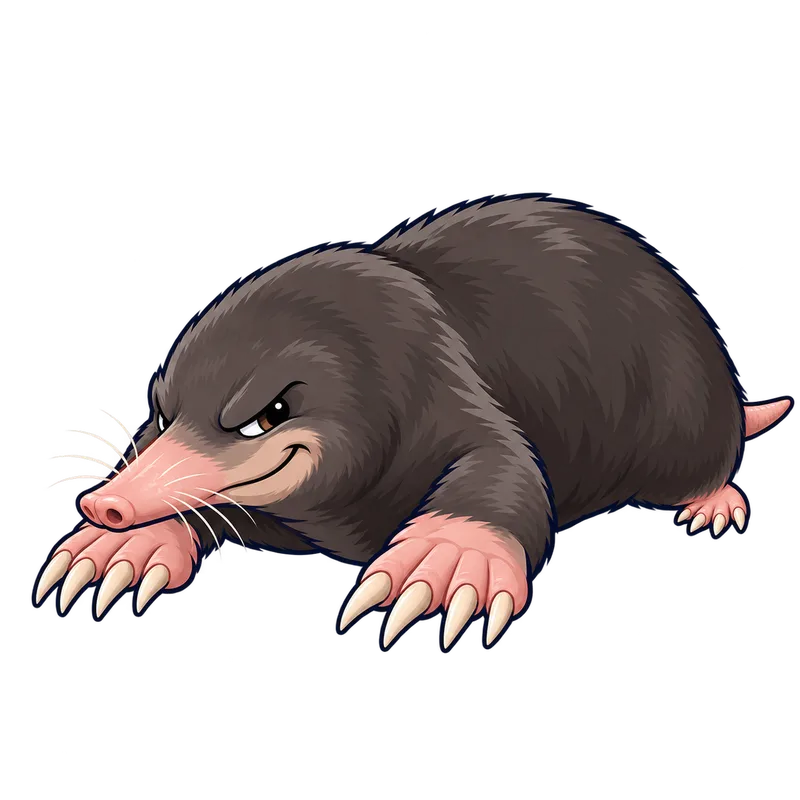
To deal with moles in a yard, you can flatten surface ridges and wait twenty-four to forty-eight hours to identify active main corridors. Setting targeted mechanical traps like harpoon, scissor jaw, or choker loop models directly into those active runs is the approach that delivers real results.
What is actually going on
You walk out onto the back porch with your morning coffee, step off the paver stone, and your heel sinks straight into a spongy, raised ridge of turf that crisscrosses the lawn. By afternoon, a fresh pile of dark dirt sits in the middle of the grass like a miniature volcano. It looks like an excavation crew moved in overnight, and your first thought is probably about trapping whatever rodent is chewing up your grass roots.
Except that is not what is happening at all. Moles are not rodents, and they have zero interest in your turfgrass, hostas, or vegetable garden roots. They belong to a completely different biological group of mammals, living an underground life driven entirely by a relentless appetite for earthworms, beetle grubs, and other soil invertebrates. When you see those raised surface ridges and soil mounds, you are looking at the byproduct of a high-speed underground transit system. A single solitary mole can dig dozens of feet of tunnel in a single evening, pushing soil upward simply because it has to put that dirt somewhere as it hunts.
People often assume that seeing multiple tunnels means an entire army of animals has invaded the property. Usually, it is just one very busy individual making the rounds. Their tunnel network operates much like a city subway, featuring heavily traveled permanent express lines deep underground, alongside temporary surface feeding alleys that the animal might use only once and never visit again. If you treat your lawn with a grub killer, you might reduce one food source, but earthworms remain abundant, and the tunneling often continues unabated.
How to tell for sure
Before you try to fix anything, you need to confirm that you are actually dealing with a mole and not a vole, a pocket gopher, or some other subterranean visitor. Moles leave distinct calling cards across a yard, usually visible from a few steps away. You will see raised surface ridges that feel spongy or hollow when you press on them, along with circular, volcano-shaped mounds of loose soil featuring a plugged center. Plants in the way are typically lifted upward rather than chewed off at the base.
If your garden plants are wilting because their roots have been completely gnawed away, you are usually looking at voles or gophers, not moles. Voles are plant-eating rodents that frequently move into abandoned mole tunnels to feed on bulbs and roots, which explains why moles often get blamed for garden damage they did not cause. Gophers also construct crescent-shaped mounds with lateral plugs, whereas true moles build those circular mounds with vertical central plugs.
Distinguishing between a permanent main highway and a temporary feeding probe matters immensely. If you want to know which tunnel is actually in use, flatten out a short section of a surface ridge with your heel. If the mole pushes that exact section back up within twenty-four to forty-eight hours, you have found an active main transport corridor.
What usually comes next
Once you have pinned down the active runs, you are staring at a straightforward choice on how to handle the situation. A lot of people lose plenty of time and cash in the pest control aisle, grabbing ultrasonic vibrating stakes, solar powered sonic spikes, or castor oil drenches. Actual field trials and university extension studies point out that these gadgets do not have the science to back them up. Relying on them usually leaves you with an intact mole problem and a lighter wallet.
The approach that actually delivers results is targeted mechanical trapping. This means setting a proper tool, such as a harpoon, scissor jaw, or choker loop model, right into the middle of an active main corridor you mapped out earlier. You have to carefully dig down to expose the run, clear out loose dirt so the trigger rests directly against the floor, and block every bit of light by placing a bucket or a heavy piece of turf over the opening. Moles despise open air and light, meaning they will push right into any breach in their tunnel, which triggers the mechanism.
If your yard damage stays pretty mild, you might decide to skip trapping altogether. Stamping down the ridges with your work boots or running a light lawn roller across the grass is often enough to fix the surface. Moles help loosen tight soil and eat pest grubs, so a dose of patience and a bit of turf tolerance can save you a mountain of manual labor if the cosmetic mess is not driving you crazy.
When to get help
There are moments when stepping on the tunnels with your boots is not going to cut it, and do-it-yourself efforts hit a brick wall. If your property shows massive turf destruction across a wide area, or if the underground digging starts to undermine stone walkways, patios, or building foundations through soil settling, you need to step back.
Legal rules also matter a great deal in this picture. State wildlife laws and local town ordinances often dictate how you can handle nuisance animals, and certain regions restrict specific body-gripping traps or ban the release of captured wildlife altogether. Putting down unauthorized chemicals or using banned traps can land you in trouble with local code enforcement very quickly.
When the tunneling gets too heavy to handle on your own, or when local regulations make trapping a legal maze, call in a licensed wildlife control professional or your local extension office. They can take care of the removal safely, legally, and in line with all state conservation rules.