
Mole tunnels vs gopher mounds: what evidence matters?
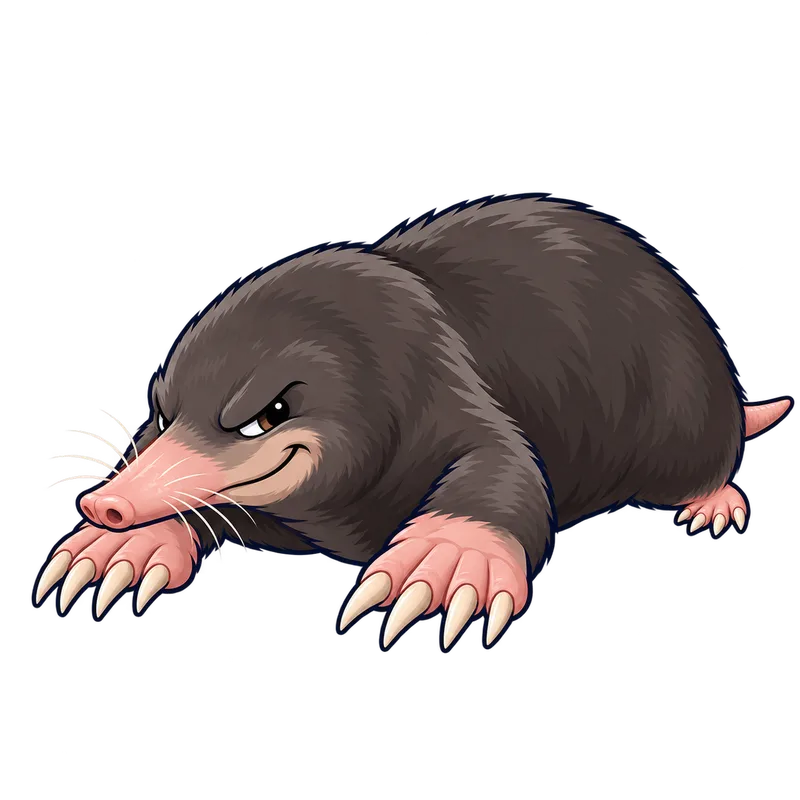
Mole activity and pocket gopher activity differ in the surface evidence they leave behind on your lawn. Moles produce raised surface feeding ridges accompanied by symmetrical, conical dirt mounds with no visible hole, while pocket gophers create fan shaped soil mounds featuring an off center packed earth plug.
What is actually going on
You step out onto the back lawn on a crisp Saturday morning, coffee mug in hand, and notice your pristine turf looks like a tiny mountain range formed overnight. There are soft, raised ridges of sod snaking across the grass, alongside small piles of loose dirt. You immediately suspect a burrowing pest has moved into your yard, but figuring out which creature is to blame usually causes the real headache. Friends will tell you it is moles eating your prized tulip bulbs, while neighbors swear pocket gophers are tearing up your lawn.
Distinguishing mole activity from pocket gopher activity relies on physical surface evidence. Moles produce raised, snake-like surface feeding ridges along lawn roots accompanied by conical, volcano-shaped dirt mounds with no visible hole. Pocket gophers, on the other hand, create fan-shaped or crescent-shaped soil mounds featuring an off-center, packed earth plug. While both animals spend nearly their entire lives underground, their excavation habits and physical builds leave very different signatures across your property.
The confusion usually starts because people assume any underground visitor acts the same way. Moles are strict insectivores that belong to the mammal group that includes shrews, meaning they tunnel through the earth hunting for earthworms, beetle grubs, and other soil invertebrates. They do not eat plant roots or flower bulbs at all. Pocket gophers are true rodents with chisel-like incisors, and they feed entirely on plant roots, tubers, and green vegetation. When your garden plants wilt and die along an underground path, a secondary visitor like a vole or a mouse has likely moved into an abandoned mole tunnel to snack on the roots, leaving the original tunnel builder to take the blame.
How to tell for sure
Looking closer at the dirt piles and raised turf will usually give you a definitive answer without needing to catch the animal in the act. Think of a mole's shallow feeding run as a garden hose pushed up beneath a fitted carpet. When you press down on it with your boot, the sod feels squishy and hollow underneath, raising the grass without creating any open holes to the surface. Moles make these shallow runs when they hunt just below the turf roots. When they dig deeper highways, they push soil vertically upward through a central shaft, letting the dirt cascade down evenly in all directions to form a symmetrical, conical mound that resembles a miniature volcano. No open entrance hole is visible because the central shaft remains packed with loose soil beneath the peak.
Pocket gophers construct an entirely different sort of landscape. They do not create raised sod ridges because their tunnels remain well below the surface turf. When a gopher excavates dirt, it pushes the soil out of an inclined lateral tunnel at an angle, creating a lopsided, fan-shaped, kidney-shaped, or horseshoe-shaped mound. Before the gopher heads back down to forage, it seals the entry hole with a distinct plug of packed soil located on one side of the mound depression, much like inserting a cork into a bottle.
If you happen to recover a deceased specimen, a quick inspection of the feet settles the debate instantly. Moles possess broad, paddle-like front feet that are permanently turned outward with five heavy digging claws on both front and hind limbs. Pocket gophers show typical rodent foot morphology, leaving tracks with four toes on the front feet and five toes on the hind feet, accompanied by long, slender claw marks suited for scraping soil.
What usually comes next
Once you figure out which animal you are dealing with, try to resist the urge to just stomp down the ridges or rake over the dirt mounds. Flattening the earth only fixes how your turf looks for the moment, leaving the huge network of underground tunnels completely untouched so the creature can just rebuild it within a few hours. Instead, you want to focus on keeping an eye on things and using targeted methods before you rush out to set traps or put down treatments.
Do not bother setting traps blindly into fresh dirt mounds or shallow feeding runs where the animal rarely stops. Find the main deep runways by poking the soil with a metal rod or a blunt stick about six to twelve inches away from a mound until the probe suddenly drops into empty space. To test if the run is actually being used, carefully open a small two-inch section of the tunnel or wedge a crumpled piece of newspaper into the shaft. Leave that test spot alone for three straight days of decent weather. If the animal shoves the paper out of the way or packs the opening back up with fresh dirt, you have found an active runway that works well for placing a mechanical trap.
For garden beds that matter a lot to you or fancy turf areas, physical exclusion is your best bet. Trench heavy wire mesh or hardware cloth twelve to twenty-four inches deep into the ground, and bend the bottom six inches outward at a right angle to stop burrowing pests from digging underneath. Always read and follow the exact instructions on product labels if you decide to use registered control tools, and keep in mind that commercial sonic spikes or home remedies like chewing gum do not have much reliable proof behind them.
When to get help
Some situations mean you should step back and let the professionals deal with the underground digging. Extensive burrowing under concrete patio slabs, brick walkways, retaining walls, swimming pool liners, or foundation footings can lead to serious soil sinking and structural collapse. Digging near shallow buried utility lines, electrical conduits, or main irrigation pipes also means you need a licensed wildlife control operator to step in right away so you avoid expensive utility strikes.
State laws and local rules strictly control how people handle burrowing wildlife and nuisance animals. Many wild species get legal protection during certain times of the year, and live-trapping an animal and dropping it off on public state land or someone else's property without written permission is against the law in many places. If you run into an animal that has bitten a person or a pet, do not try to handle it yourself. Treat potential rabies risks as real medical emergencies and get in touch with a doctor, a local urgent care clinic, or your public health department immediately.
In the same way, abandoned burrows or indoor spaces can sometimes draw in other wildlife like raccoons, which creates dangerous waste areas. Raccoon droppings can carry roundworm eggs that shrug off standard household cleaners and bleach completely, meaning you need the extreme heat of boiling water or a propane torch along with an N95 mask to clean the spot safely. When the structural dangers, legal rules, or health hazards start piling up, calling in a qualified professional is simply the smartest way to go.