
How should seasonal wool clothes be inspected before storage?
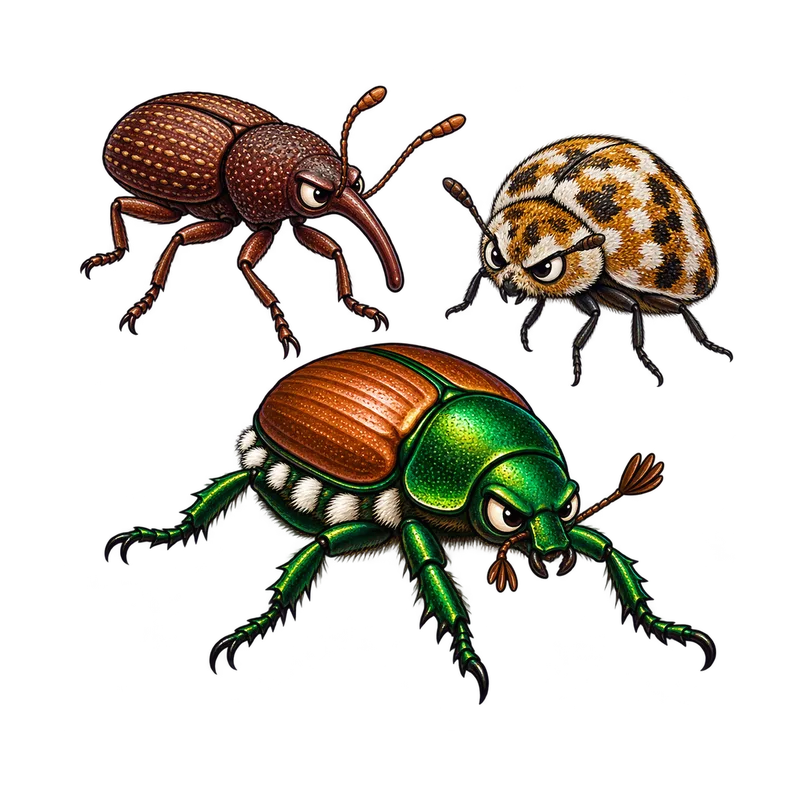
Seasonal wool clothes should be inspected by unfolding every single garment and examining it under strong light. Pay close attention to hidden seams, cuffs, collars, and pockets for webbing tubes, portable rice-like cases, hairy larvae, shed skins, or hard fecal pellets, before laundering, dry-cleaning, brushing, or freezing the items.
What is actually going on
You pull a heavy wool sweater from the back of the closet on the first genuinely chilly morning of autumn, only to find three ragged holes near the bottom button. It is a frustrating little discovery that usually leads to a quick blame game against phantom moths.
You need to unfold every single wool garment and examine it under strong, direct light, paying close attention to hidden seams, cuffs, collars, and pockets for signs of webbing tubes, portable rice-like cases, hairy larvae, shed cast skins, or hard fecal pellets, before thoroughly laundering, dry-cleaning, brushing, or freezing them prior to airtight storage.
Inspecting woolens before tucking them away for the warm months is really an exercise in biosecurity, even if that sounds far too dramatic for a bedroom closet. Wool, cashmere, mohair, and silk are animal proteins, and they happen to be the exclusive diet of clothes moth and carpet beetle larvae. Adult moths and beetles do not actually eat your clothes at all. They flutter around looking for a mate, lay microscopic eggs, and leave the destruction entirely up to their chewing offspring.
Because these tiny larvae despise bright light, they head straight for the darkest, quietest microhabitats they can find. That means your inspection needs to target hidden folds, deep seams, collar undersides, and pocket linings. If a garment carries invisible soil like sweat, skin oils, beverage spills, or food traces, female pests will target it first. Those organic residues act like a seasoning blend, providing salts and vitamins that accelerate larval growth.
This is why a casual glance across a hanger simply will not cut it. You have to actively unfold garments and check high-risk zones under high-intensity lighting. Because newly hatched larvae and microscopic eggs can hide deep within wool knits, visual checks must always be paired with active decontamination, such as hot-water laundering, dry cleaning, outdoor brushing, or thermal freezing, before anything goes into a sealed container.
How to tell for sure
When you unfold that sweater under a bright desk lamp on a clean table, you are usually looking for specific evidence left behind by different pests. If you spot silken feeding tubes or webbed sheets clinging to the knit, you are usually dealing with the webbing clothes moth. If you see a small, portable, open-ended silken case that looks remarkably like a grain of rice being dragged across the fabric, that is the work of the casemaking clothes moth.
Carpet beetles operate under a different set of rules because they skip the silk-spinning business altogether. Instead, you are likely to spot bristly, carrot-shaped larvae alongside papery shed skins scattered right next to thin, threadbare patches in the knit. Keep an eye out for hard, tiny fecal pellets that resemble grains of salt or coarse pepper. Because those droppings consist of digested yarn, they match the color of the garment itself, which often tricks people into thinking they are looking at insect eggs instead. Real moth eggs are microscopic, soft, oval, and translucent, meaning they usually just vanish during a normal wash or a vigorous brush.
What usually comes next
Once you finish sorting through your garments, you still have to clean them, and the golden rule here admits no exceptions: never store dirty wool. Even if a sweater looks completely untouched, wearing it just once leaves behind invisible perspiration and skin oils that act like a dinner bell for pests. Structured coats and delicate knits typically need a trip to the dry cleaner, where commercial solvents and heat wipe out every single life stage of the insect. Washable woolens can handle a warm or hot water cycle with the right detergent, or a thorough pass with a hot steam iron.
If you are dealing with a delicate heirloom piece that cannot handle water or commercial solvents, home freezing offers a reliable backup plan. Wrap the garment in a clean cotton bedsheet, slide it into a heavy plastic bag, squeeze out the extra air so frost stays away, and seal it shut. Drop that bagged item into a freezer set to zero degrees Fahrenheit for forty-eight to seventy-two hours. After that time passes, leave the sealed bag sitting at room temperature for a full day before opening it, which stops warm air from condensing on the chilled wool.
When to get help
Sometimes a routine seasonal sorting session reveals an issue that goes far beyond a single damaged sleeve. If you notice larvae, shed skins, or adult beetles spreading across multiple rooms, wall-to-wall carpets, upholstered chairs, or heating vents, you are looking at an established infestation that calls for a licensed pest control professional.
You also want to bring in outside help if the source traces back to a hidden reservoir inside the building structure, like an old bird or rodent nest tucked away in the attic, eaves, or chimney, or dead bugs gathering behind baseboards. If you happen to be managing valuable historic textiles or fragile museum collections that demand specialized thermal chambers or large-scale commercial freezing, professional conservation services are your safest bet.