
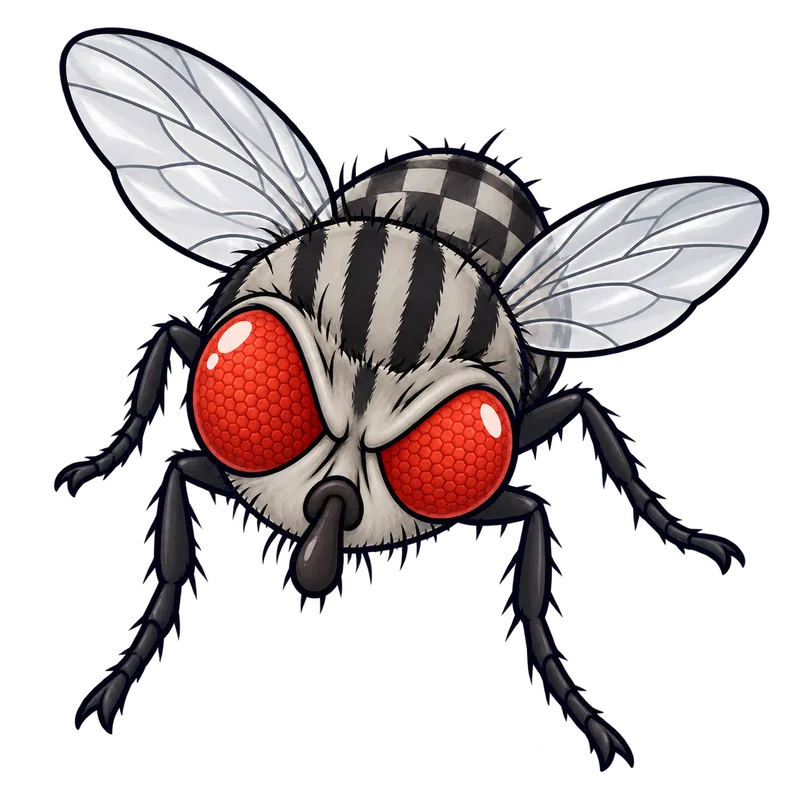
Flesh flies
Family Sarcophagidae
- Size
- 10 to 14 mm
- Color
- Dull gray and black
- Habitat
- Outdoors, decaying matter
- Diet
- Nectar, sap, decaying matter
- Life cycle
- Larviparous development
Flesh flies are robust, medium-to-large insects belonging to the family Sarcophagidae, and you are most likely to encounter them buzzing near a sunny window indoors or resting on a garden wall outside. When you look at one closely, you will notice it is dressed in shades of dull gray and black, measuring anywhere from 10 to 14 mm, or roughly 3/8 to 5/8 in long. Its most reliable field mark is the thorax, which bears exactly three distinct, dark longitudinal stripes running down its back. Pair those stripes with an abdomen featuring a distinct checkerboard pattern of light and dark gray squares that seem to shift when the light hits them, and you can safely separate them from ordinary house flies.
Identity
People often confuse flesh flies with common house flies or metallic blow flies. House flies are smaller, measuring about 6 to 7 mm, and they sport four dark stripes on the thorax instead of three. Blow flies are easily told apart by their shiny, metallic blue, green, or bronze coats, whereas flesh flies have a dull, non-metallic finish. If you happen to be examining a male of certain common species, you might even spot a reddish or pinkish tip on the end of its abdomen.
Habitat & behaviour
These flies are thoroughly outdoor creatures that thrive in warm, sunny weather and peak during the heat of mid-summer. You will find adult flesh flies visiting flowers for nectar, sipping plant sap, or feeding on honeydew left behind by aphids. They are not interested in the crumbs on your kitchen counter, and they certainly will not bother you for a meal of solid meat.
Their larvae, however, live a different life. While many species develop in decaying animal carcasses, animal manure, compost, or neglected garbage cans, others act as parasites of grasshoppers and caterpillars. When you spot a flesh fly inside your living room, it rarely means you left the back door open too long. More often than not, it means a mouse, squirrel, or bird has crawled into a wall void, chimney, or attic space, died out of reach, and is now hosting a generation of developing maggots.
Visual variations
Flesh flies do not live in colonies with specialized castes, but you will notice clear differences between the sexes and life stages. Females have wider spacing between their compound eyes and carry an internal system designed to incubate young. Males feature closer-set eyes and distinct genital terminalia at the rear, which accounts for the reddish tip seen on certain species.
You will never find a cluster of flesh fly eggs on a rotting surface because these insects skip the egg stage entirely. They are larviparous, meaning females give birth to active, crawling first-instar maggots directly onto a food source. These legless, pale cream or yellowish maggots taper toward a pointed head and can grow to slightly over 3/4 in long. Once they finish feeding, they wander off into dry soil or crevices to form a hard, dark brown puparium, eventually emerging as winged adults with clear flight wings and modified balancing organs called halteres in place of hind wings.
Why it matters
Discovering a sudden influx of large gray flies indoors is usually your first warning sign of a hidden dead animal in the structure, and simply spraying a room aerosol will only mask the symptom while the underlying carcass continues to fuel new adults. Because adult flesh flies visit decaying matter and garbage, they can mechanically carry bacteria on their bodies, though they pose a lower indoor disease risk than house flies simply because they do not linger in large numbers inside clean living spaces.
While adults cannot bite, accidental ingestion of food contaminated with their larvae can lead to intestinal myiasis, and females may occasionally deposit larvae into open, neglected skin wounds on animals or humans. If you find fly larvae in a wound or suspect an infestation in body tissues, consult a clinician or veterinary professional immediately. For structural issues involving unreachable carcasses inside walls or chimneys, rely on wildlife exclusion methods and professional pest control services to seal entry points and remove the source.
Similar species
 Fungus gnatsFamily Sciaridae
 Horse fliesFamily Tabanidae
 Deer fliesChrysops species
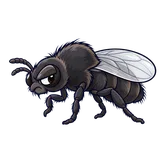 Black fliesFamily Simuliidae
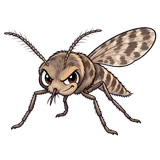 Biting midges / no-see-umsFamily Ceratopogonidae
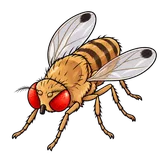 Spotted wing drosophilaDrosophila suzukii