
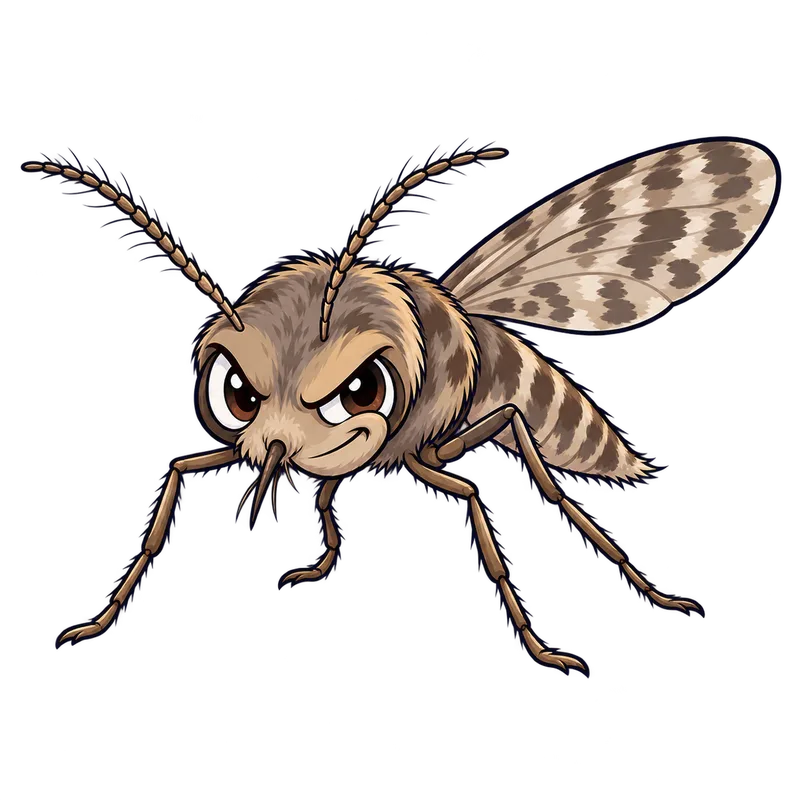
Biting midges / no-see-ums
Family Ceratopogonidae
- Size
- 1.0 mm to 3.0 mm
- Color
- Dark gray, black, or dark brown
- Habitat
- Saturated mud, damp soil, coastal marshes
- Diet
- Females feed on blood; males on nectar
- Life cycle
- Complete metamorphosis lasting 3 to 22 weeks
Biting midges are tiny, blood-feeding flies belonging to the family Ceratopogonidae, with the genus Culicoides doing most of the biting across North America, Europe, and Australia. You step onto the porch at dusk, and within seconds your ankles feel as though someone is flicking hot ash against your skin. You swat at the air, expecting a mosquito, but find nothing. That is the calling card of biting midges, known colloquially as no-see-ums, punkies, or sand flies depending on where you happen to be standing.
Identity
Separating them from other tiny winged pests comes down to a few distinct field marks, assuming you have a magnifying glass or a very close view. Adults measure between 1.0 mm and 3.0 mm, which puts them well below the size threshold of a standard mosquito. They possess a stout, dark body with a shiny, conspicuously humped thorax that arches over their head. When they land, they keep their two broad wings folded flat over their abdomen rather than tented up like a housefly. Many species feature distinct spotted or mottled patterns on those wings, created by tiny surface hairs and pigmentation. Males carry feathery antennae and peaceful intentions, while females sport short, blade-like mouthparts designed for slicing skin rather than piercing it cleanly.
Habitat & behaviour
Finding a biting midge usually means you are standing too close to where it grew up. Their larvae are semi-aquatic, worm-like creatures that require saturated mud, decaying leaf litter, damp soil, or the soggy edges of ponds and livestock lagoons to survive. They cannot handle complete dryness, but they also drown if submerged in more than two or three inches of standing water. This puts their nurseries right at the muddy margins of wetlands, coastal salt marshes, and even the soggy soil surrounding a leaking septic tank or an outdoor sink overflow. As adults, their entire existence revolves around calm, windless air. They are notoriously weak fliers, which means a gentle breeze is often enough to keep them grounded. When the wind drops during twilight hours, dawn and dusk, or heavy overcast days, they take to the air in swarms. They are also strongly attracted to artificial lights at night, which explains why porch lamps draw them right up against the house. Because they rarely travel more than a few hundred metres from their larval breeding grounds unless carried by a favorable gust, finding them in numbers usually means prime mud is close by.
Visual variations
Life for a biting midge moves through four distinct stages: egg, larva, pupa, and adult. The females lay tiny eggs in dark, damp organic sludge. Out hatch the slender, worm-like larvae, which spend their time wriggling through the muck and feeding on microorganisms and decaying matter. When it is time to transform, the mature larva crawls a short distance away into slightly drier soil to pupate, emerging later as a fully formed winged adult. Between the sexes, the differences are functional. Adult females must secure a blood meal to obtain the protein necessary for egg maturation, driving their relentless search for mammals, birds, and occasionally reptiles. Their mouthparts are specialized blades that slice open capillaries, creating a tiny pool of blood to lap up. Males have simpler mouthparts meant only for sipping plant nectar, pollen, and sap. You will never spot a male biting anything, though you might notice them hovering in swarms using their plumose, feathery antennae to catch the flight tones of prospective mates.
Why it matters
The physical injury a biting midge inflicts is wildly disproportionate to its size. Because the female slices the skin rather than piercing it, the resulting wound burns and aches. Saliva injected during the feeding process triggers a delayed immune response, leading to intense itching, red swollen welts, and lesions that can linger for days. Newcomers to an area often suffer severe allergic reactions, while long-term residents frequently build up a degree of desensitization. For property owners, their presence highlights a local moisture issue. While you cannot drain a coastal salt marsh, you can often eliminate localized breeding spots like chronically saturated soil near leaky downspouts or overflowing septic lines. Inside structures, their microscopic size lets them breeze right through standard window and door fly screens, requiring fine midge netting or twenty-mesh screens to keep them out of living spaces. Beyond human annoyance, certain species cause severe allergic dermatitis known as sweet itch in horses and act as biological vectors for the Bluetongue virus in ruminants, though they do not transmit human pathogens in North America or Australia.
Similar species
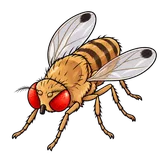 Spotted wing drosophilaDrosophila suzukii
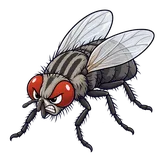 House flyMusca domestica
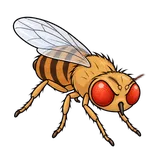 Fruit fliesFamily Drosophilidae
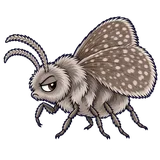 Drain fliesFamily Psychodidae
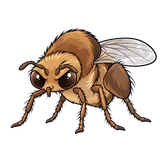 Phorid fliesFamily Phoridae
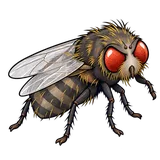 Cluster fliesPollenia species