
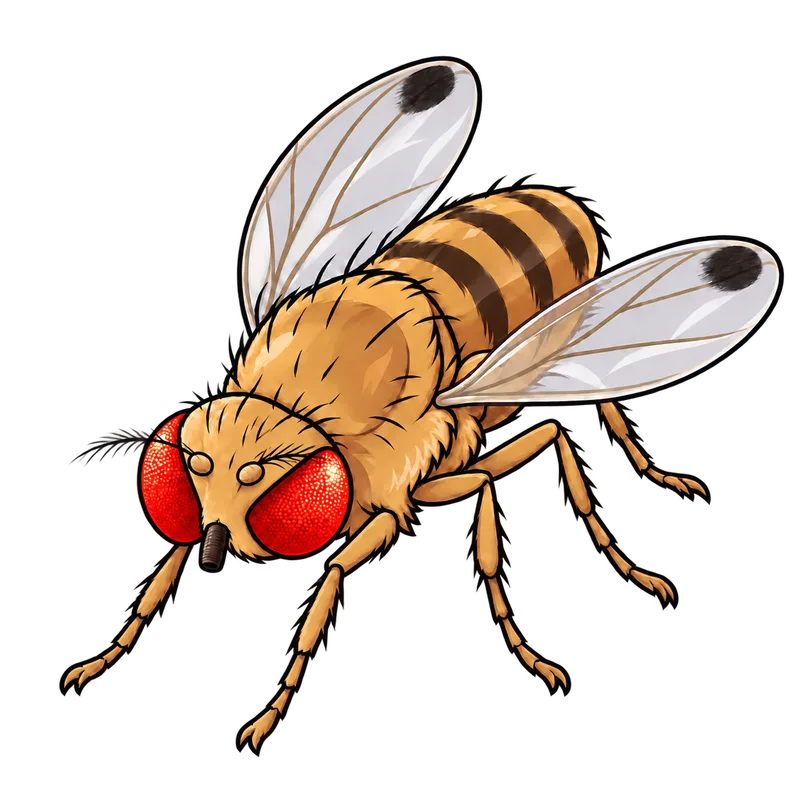
Spotted wing drosophila
Drosophila suzukii
- Size
- 2 to 4 mm
- Color
- Pale brown thorax with dark abdominal bands and red eyes
- Habitat
- Shady fruit canopies, orchards, and wild brush
- Diet
- Ripe fruit pulp, yeasts, and plant sap
- Life cycle
- Complete metamorphosis, 8 to 14 days per generation
Spotting this fly starts with recognizing that it is not your average kitchen vinegar fly. While most common vinegar flies wait for fruit to rot and split open on the counter before showing up, this species targets sound, ripening fruit still hanging on the plant. Adults measure 2 to 4 mm long, putting them roughly between 1/16 and 1/8 of an inch, with bright red compound eyes and a pale yellowish-brown body crossed by dark horizontal bands.
Identity
The real diagnostic work depends on sex and a steady hand with a magnifier. Males are easy to spot because each wing features a distinct dark oval spot right near the leading edge tip, though about 15 percent of field males might have faint spots or lack them entirely. When those wing spots are missing, you have to look at the front legs for two dark, brush-like rows of spines called sex combs. Females are slightly larger and lack those wing spots and leg combs entirely. Instead, they carry a heavy, dark, saw-like egg-laying organ tucked into the tip of the abdomen, equipped with serrated teeth designed to slice into firm fruit skin.
Habitat & behaviour
You will find these flies lingering in cool, shady, and humid plant canopies rather than out in the baking midday sun. They prefer the interior of berry patches, cherry orchards, and wild brush borders, staying mostly quiet until dawn and dusk when their activity peaks.
Temperature dictates nearly every move they make. They are most comfortable when the thermometer sits between 20 °C and 25 °C, which translates to 68 °F to 77 °F. Once temperatures climb past 30 °C, meaning 86 °F, their activity drops off sharply from heat stress. Cold weather slows them down just as reliably. Egg laying starts ticking upward only after ambient temperatures creep above 10 °C, or 50 °F, and stops entirely below 5.5 °C. When winter sets in, mated adult females seek out leaf litter, stone piles, and unmanaged brush to wait out the cold as overwintering adults.
Visual variations
You will not find workers or queens here since these flies operate entirely on their own, but their transformation through each life cycle stage is striking. The egg begins as a see-through, milky-white cylinder measuring less than 0.6 mm long, equipped with two slender breathing filaments that poke right through the fruit skin like tiny snorkels.
Once the egg breaks open, a legless maggot emerges with dark mouth hooks working away inside. First-stage larvae start out at a microscopic 0.07 mm, while fully grown third-stage larvae stretch between 1.5 and 4 mm as they chew through the fruit flesh. The insect then transitions into a reddish-brown pupa measuring 2 to 3 mm, featuring two distinct breathing horns sticking out from its front end.
Adults finally step out of those pupal cases as tan-bodied, red-eyed flyers. The differences between the sexes become obvious the moment adulthood arrives. Males sport that signature dark spot on their wing tips alongside two comb-like structures on their front legs. Females swap those out for a rigid, knife-like egg-laying tool that needs thirty-five to fifty-five times magnification to reveal its jagged teeth.
Why it matters
Finding this pest in a backyard garden or a commercial field means your thin-skinned, soft-fleshed fruit crops face a real threat of internal worm damage well before picking time. Regular vinegar flies stay away from healthy produce, but a female of this species deliberately slices into ripening cherries, berries, or peaches to lay one to three eggs per spot, racking up hundreds of descendants over her lifespan.
As the larvae feed inside, solid fruit turns into mush that leaks juice and spoils in a hurry. Since multiple females often target the same piece of fruit, an unblemished berry on the surface can easily hide a crowded interior. Getting the identification right makes all the difference because ordinary fruit flies only show up after something else has already bruised or cracked the skin, whereas this culprit starts the ruin on completely sound fruit.
Similar species
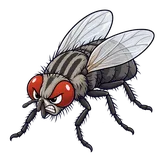 House flyMusca domestica
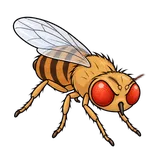 Fruit fliesFamily Drosophilidae
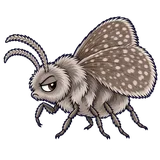 Drain fliesFamily Psychodidae
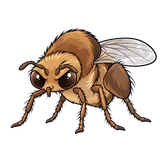 Phorid fliesFamily Phoridae
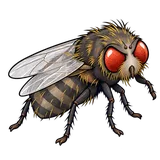 Cluster fliesPollenia species
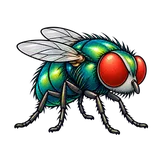 Blow fliesFamily Calliphoridae