
What do spotted-wing drosophila larvae look like in berries?
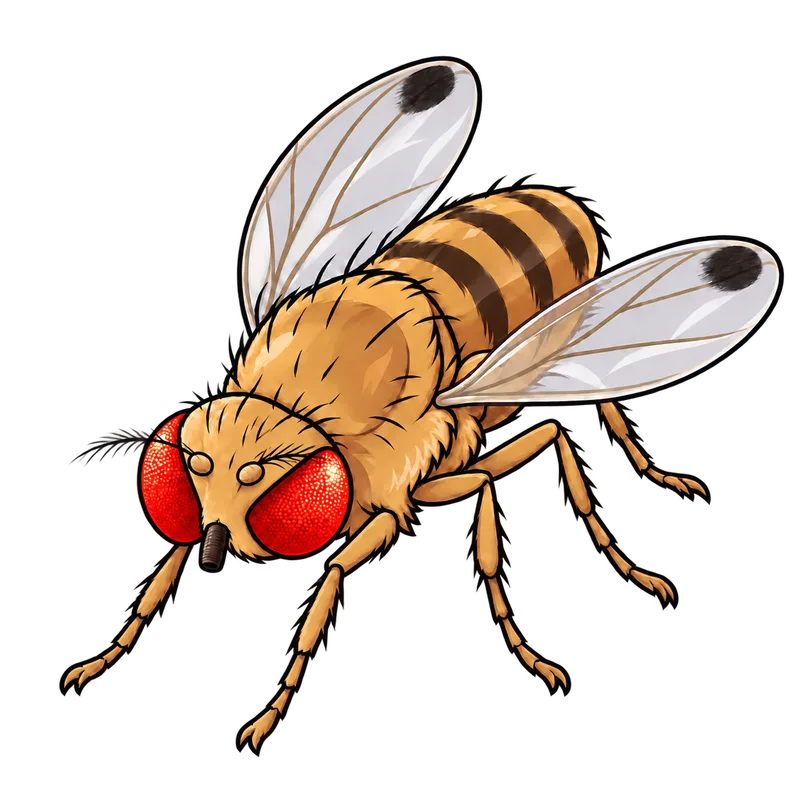
Spotted-wing drosophila larvae in berries are tiny, legless, cylindrical maggots that measure between two and six millimeters long. They appear cream-white to translucent and taper toward both ends, featuring dark mouth hooks near the narrow head and tiny breathing tubes at the rear.
What is actually going on
You walk out to the garden on a warm July morning, cup of coffee in hand, ready to harvest a handful of gorgeous raspberries for breakfast. They look plump, glossy, and entirely innocent on the vine. But when you bring them inside and drop them into a bowl, something unsettling happens. Inside those seemingly perfect berries, tiny, legless creatures are already tunneling through the pulp. Spotted-wing drosophila larvae are nothing more than classic dipteran maggots, meaning they belong to the fly family and go through complete metamorphosis, but their presence in fresh fruit is always an unwelcome surprise.
When they first hatch from eggs laid just beneath the berry skin, these larvae are practically invisible, measuring a mere zero point zero seven millimeters long. As they feed over the next week, they grow anywhere from two to six millimeters, roughly the size of half a grain of long-grain rice. They are cylindrical, cream-white to translucent, and tapered toward both ends. If you manage to catch one under a mild magnifying lens, you can spot dark mouth hooks near the narrow head end and tiny breathing tubes at the rear. The real trouble starts because unlike ordinary kitchen fruit flies that wait for a peach to rot on the counter, the female spotted-wing drosophila carries a heavily sclerotized, saw-like ovipositor, which is a specialized egg-laying organ. She uses this miniature steak knife to slice open sound, ripening fruit right on the branch, leaving a pin-prick scar with two delicate, white breathing filaments poking out into the open air.
As the larvae feed on the internal flesh, the berry loses its turgidity, turning into a squishy, leaking mess that feels like an over-soaked sponge. This localized softening and collapsing ruins the harvest and opens the door for secondary rots, molds, and opportunistic common fruit flies. You might wonder how a pest so tiny manages to ruin an entire patch of brambles so quickly. The answer lies in their speed. In temperate regions, they can push through numerous generations in a single summer, building populations exponentially from mid-summer into autumn. Fall-bearing raspberries and late blueberries bear the brunt of this population surge simply because the flies are running out of wild hosts and concentrating heavily on whatever cultivated fruit is left standing.
How to tell for sure
If you want to know whether those raspberries are harboring pests, you cannot rely on a simple visual check of the exterior because the damage is often hidden beneath an intact skin. You can usually inspect picked fruit under bright light or a ten-times magnifying hand lens, searching for tiny puncture marks or minute slits where the female cut the skin. If you squeeze a suspect berry gently and it feels like a deflated water balloon or exudes sticky juice, you have likely found an infested piece of fruit.
However, you run into a hard identification wall if you try to name the culprit by looking at the maggots alone. Under basic field inspection, spotted-wing drosophila larvae look almost identical to the larvae of other native vinegar flies or sap beetles. They are all pale, legless, and equipped with dark mouth hooks. Definitive species confirmation usually requires rearing the larvae into adult flies or running specialized laboratory molecular tests.
Because hand-lens checks cannot tell you which fly species you are dealing with on the spot, gardeners and growers typically use a salt-water flotation test to see what is hiding inside the fruit. You can easily mix one tablespoon of salt into one cup of warm water, put a cup or two of fresh berries into a shallow dish, and gently crush the fruit to break the skins. Pour that salt solution directly over the berries and leave them alone for anywhere from ten to sixty minutes. The salt works as an irritant bath that forces any hidden live larvae out of the pulp, making them float right to the top where you can strain them through a dark coffee filter and spot them clearly against the dark background. Simple sugar-water mixtures or plain warm-water soaks will give you a similar extraction effect if you prefer to skip the salt.
What usually comes next
Once you spot larvae in your harvest, you need to make a practical choice about what to do with the rest of the crop and the fruit you just picked. Leaving infested berries right on the bush or tossing them into an open backyard compost pile will not fix anything, since these pests easily finish growing in shallow dirt or loose garden debris and hatch into flying adults in a week or two. Sanitation actually means sealing bad fruit inside thick plastic bags or baking them under clear plastic in the hot sun before throwing them into the trash bin.
For the berries you plan on eating or putting up, chilling them right after picking is the most reliable way to stop the damage in its tracks. Storing fresh fruit straight away in the refrigerator at temperatures between thirty-four and thirty-eight degrees Fahrenheit for at least twelve to seventy-two hours halts larval feeding and kills off most of the eggs and young maggots. If you grow fruit outside, putting up fine mesh netting before the berries start changing color keeps the adult flies away from the skin, and thinning out the plant canopy with proper pruning cuts down on moisture to make the bushes far less attractive to pests.
When to get help
While home gardeners can usually handle small outbreaks through strict cleanup, fast picking, and cold storage, commercial growers are dealing with a much tighter margin for error. Fresh produce markets enforce a strict zero-tolerance rule for insect larvae, and a missed infestation can easily lead to rejected shipments and heavy financial losses. When unexpected larval problems pop up in clean crops, or when official verification is needed to clear fruit for the market, growers should send fruit samples or trapped adult flies off to a university extension lab for a professional ID.
When chemical controls become necessary on a farm or in a large orchard, the job belongs strictly to licensed pesticide applicators. Any spraying has to follow the product label directions down to the letter, respecting the required waiting periods before harvest and rotating different chemical families across fly generations to keep the insects from building resistance. If you are responsible for commercial pesticide treatments, reach out to your local agricultural extension office to get the most up-to-date regional pest guides and approved chemical choices.