
Why are tiny bugs gathering around plumbing leaks?
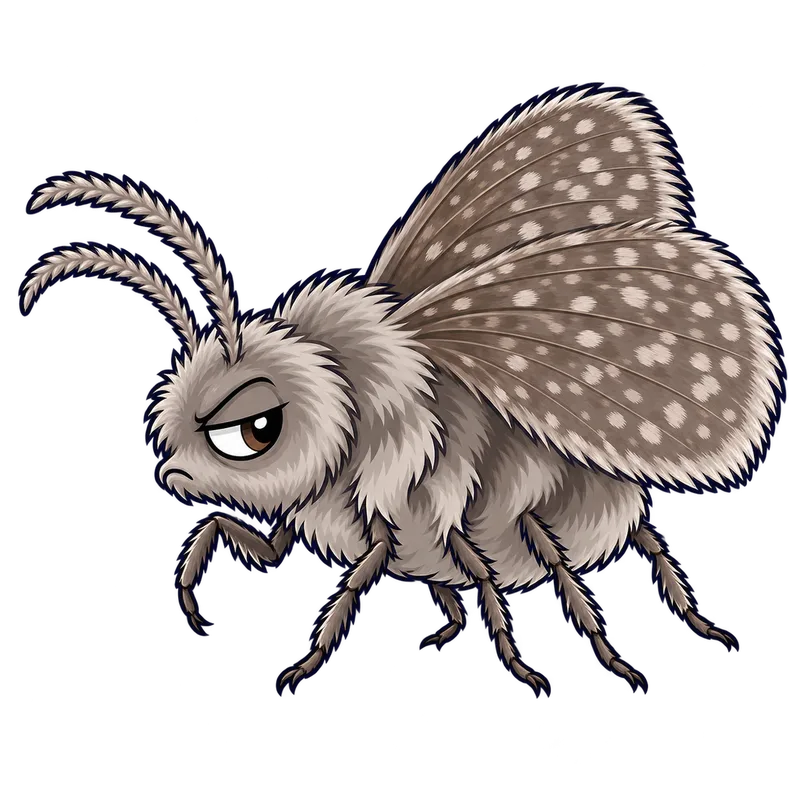
Tiny bugs gather around plumbing leaks because the dripping water creates a damp microclimate that grows microscopic mold, fungi, and bacterial slime. Moisture-seeking pests like booklice, mold mites, and silverfish visit these leaking areas to graze on that invisible organic growth.
What is actually going on
Imagine walking into the downstairs half bath, leaning down to grab a spare roll of paper towels from under the sink, and noticing a faint, creeping dusting of tiny, pale specks moving across the baseboard. You check closer. They are not sawdust, and they are definitely not moving on their own because of a draft. There is a tiny, persistent drip coming from the PVC P-trap, and these minute bugs have set up camp right beside it.
It turns out that a slow plumbing leak does not just waste water. It transforms a dark, quiet cabinet base or wall void into a miniature oasis. Just as wildlife congregates around a watering hole in a dry landscape, moisture-seeking pests treat a leaking pipe as an all-inclusive resort. The dripping joint creates a localized microclimate of high relative humidity and dampness that stays trapped far longer than the air in the center of the room.
This dampness triggers the quiet growth of microscopic mold, fungi, and bacterial slime layers on surrounding surfaces like drywall paper, wood framing, and pipe joints. The tiny bugs gathering there are not interested in attacking your plumbing or chewing through your wooden floorboards out of spite. They are grazing. Creatures like booklice and mold mites view those invisible patches of mold like a rich pasture, while drain fly larvae feed directly on the gelatinous organic film lining the inside of slow pipes.
How to tell for sure
Because these creatures are exceptionally small, figuring out what you are looking at usually requires a quick look at their physical traits and behavior. You are usually dealing with one of a few common culprits.
Booklice, also known as psocids, usually show up as soft-bodied, pale, wingless insects measuring only about one to two millimeters long. They have an oversized nose-like structure on their heads and long, thread-like antennae. They do not bite humans, and they do not have the piercing mouthparts to do so, which usually comes as a relief when people first mistake them for actual parasites.
Mold mites are even smaller, usually sitting between zero point two and zero point five millimeters. They tend to form dense, moving clusters that look like crawling gray dust near active leaks or damp windowsills. If you see tiny, fuzzy, moth-like flyers hovering around a bathroom drain or sink basin, you are usually looking at drain flies. Their larvae live inside the gunky biofilm stuck to the inside walls of the pipes.
Silverfish are usually easier to spot because they grow larger, reaching up to half an inch long with a carrot-shaped, metallic silver body and three distinct tail filaments. They prefer cool, damp plumbing chases and feed on starches and paper sizing. One common mix-up involves house dust mites. People often assume the moving specs on their damp walls are dust mites, but those live in mattresses and upholstery feeding on skin scales, whereas the visitors near your plumbing are mold-loving arachnids or booklice.
What usually comes next
When you spot these tiny gatherings, reaching for an aerosol bug spray usually feels like the most direct response. Pest control products, however, rarely solve the root issue on their own. If you spray the insects without fixing the underlying environment, the survivors simply wait out the chemical and repopulate the damp substrate.
The practical decision always starts with the water source. Fixing a dripping faucet, tightening a loose slip nut on a P-trap, or sealing a sweating supply line cuts off the moisture supply that keeps these organisms alive. Once the repair is complete, lowering the localized humidity usually makes the area uninhabitable for them. For instance, bringing the relative humidity below fifty percent stops mold growth entirely and causes booklice populations to perish from lack of moisture within a couple of weeks.
For drain flies, chemical cleaners and bleach often disappoint because the liquid simply slides off their protective breeding film like water off a raincoat. Clearing them out usually requires physical mechanical scrubbing with a stiff wire brush to break up the organic matrix inside the pipe, followed by enzymatic cleaners to digest the remaining residue. Vacuuming up crawling aggregations of booklice or silverfish with a sealed bag vacuum gets rid of the immediate population without needing toxic treatments.
When to get help
While most moisture-loving pests are more of an annoying housekeeping signal than a medical emergency, they can still create complications. The cast skins, dead bodies, and waste pellets from heavy booklice or mite infestations can break down into fine, airborne dust that triggers allergic rhinitis or asthma flare-ups in sensitive individuals. Anyone experiencing persistent respiratory distress, severe allergic reactions, or unexplained skin irritation should consult a qualified physician or allergist rather than trying to diagnose the issue through pest control logic alone.
There are also structural situations that call for backup beyond a DIY fix. If you dry out the visible surfaces and clean the area, but the pests keep coming back, the leak might be hiding inside a wall cavity, underneath a shower base, or within a cracked subterranean drain line. That is the moment to call a licensed plumber or building contractor to track down hidden moisture. If an infestation covers commercial spaces or multi-family housing units, bringing in a licensed pest management professional ensures the right structural drying equipment and localized treatments are applied safely.