
Fungus gnats vs fruit flies: which one is near your plants?
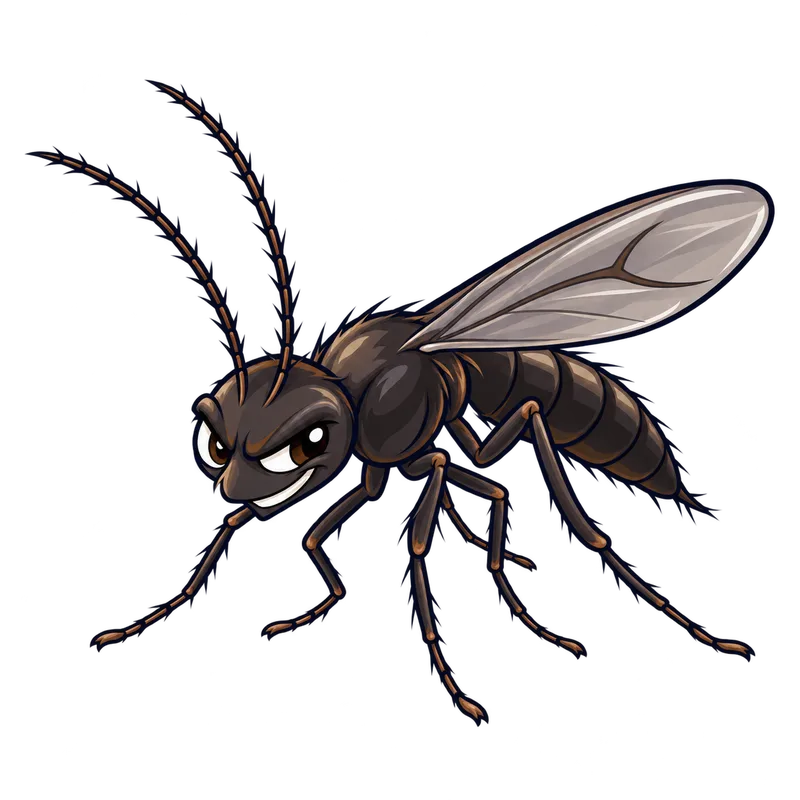
The tiny bugs near your plants are fungus gnats if they hover weakly over the damp soil and measure about one-sixteenth to one-eighth of an inch long. Fruit flies are stout, strong fliers that breed in fermenting fruits and sugary liquids rather than plant soil.
What is actually going on
You walk over to water the kitchen fern, tap the rim of the plastic pot, and a tiny gray cloud puffs up into your face. Naturally, you assume you have a fruit fly problem. After all, summer is fading, the kitchen counter has a bowl of peaches, and those little winged visitors seem to be everywhere. But when you check the fruit bowl, it is oddly quiet. The bugs are not congregating on the overripe nectarines at all. They are loitering around the damp soil of your houseplants, bobbing up and down in that clumsy way that suggests they missed flight school.
Flies near indoor plants are almost always fungus gnats breeding in damp potting media, whereas fruit flies breed in fermenting fruits, liquids, and decaying organic food matter rather than plant soil. That simple division catches a lot of people off guard. We tend to lump every small winged insect indoors into a single category of annoyance. The reality is that these two pests want entirely different things from your living room. Fungus gnats need moisture and rotting organic matter deep in the pot to feed their underground larvae, while fruit flies are after the yeast and sugars found in overripe produce, sticky wine glasses, or unwashed recycling bins.
If you have been setting out apple cider vinegar traps next to your potted snake plant and wondering why the gnats treat them like modern art, this explains it. The bugs hovering over your houseplants are not looking for fermentation. They are looking for a damp swamp of peat moss and decaying roots. Their entire life cycle happens right there in the pot, far away from your kitchen fruit bowl.
How to tell for sure
Figuring out which pest you are dealing with usually comes down to observing where they hang out and how they move. Fungus gnats are slender, delicate, mosquito-like creatures with long legs and segmented antennae. They measure about one-sixteenth to one-eighth of an inch long. When they fly, they tend to hover weakly right above the soil or crawl across the leaves, rarely venturing far from the potted plant. If you look closely at their clear or slightly dark-tinted wings, you might even spot a distinct Y-shaped wing vein.
Fruit flies, by comparison, feature stout, oval bodies of a similar size, usually wearing a tan to brownish coat with dark bands across the abdomen. Most species have bright red compound eyes and short, stubby antennae. They are much stronger fliers than fungus gnats. If you leave a glass of wine or an open beer bottle on the counter, a fruit fly will usually make a beeline for it across the room. Fungus gnats rarely show that kind of purposeful navigation.
If you are still not sure, you can look a bit closer at the next generation. Dig down an inch or two into the moist potting soil of an infested plant. Fungus gnat larvae are translucent, wormlike maggots with a prominent, shiny black head capsule. They spend their time munching on fungal hyphae and delicate root hairs. Fruit fly larvae are yellowish-white and legless, and they lack that distinct black head capsule entirely. While adult fruit flies might occasionally land on plant leaves or wet drain saucers, they usually cannot complete their life cycle in clean potted plant soil.
You might also occasionally spot phorid flies, which are tiny insects with a humpbacked thorax and dark eyes that scuttle erratically across surfaces in short bursts. They can breed in wet soil, but they will also find their way into drains and rotting garbage. Drain flies are another possibility if your plants sit near a sink. They look like tiny, fuzzy moths and usually breed in the gelatinous slime lining the inside of drainpipes.
What usually comes next
Once you figure out those tiny bugs near your houseplants are actually fungus gnats, you have to rethink how you handle moisture in your home. The absolute best way to control them without pulling out harsh chemicals is simply letting the top couple of inches of potting soil dry out completely between waterings. If you keep watering on a rigid weekly schedule whether the dirt needs it or not, you are basically running a luxury resort for gnat larvae. Letting the surface dry out starves the young larvae and keeps new eggs from hatching.
You also need to empty and clean out the drip trays underneath your pots to get rid of standing water and any slimy film that builds up down there. If you just rely on regular aerosol bug sprays to knock down the adults flying around, you are mostly wasting your time. Those sprays only give you a temporary fix while leaving the larvae safe underground, which means a brand-new wave of gnats will hatch out by tomorrow.
When the infestation refuses to clear up, you can bring in biological treatments that go straight for the soil. Drenching the dirt with a specific natural bacteria product will kill off the feeding larvae without hurting your plant at all. Just read the product label closely, because other versions of that same bacteria are meant for caterpillars and will not touch your gnat problem. You can also press yellow sticky cards right into the dirt surface to catch adult gnats and track whether your numbers are finally dropping.
When to get help
Most indoor gnat issues are more of a daily annoyance than a true emergency, but out-of-control populations can cause real trouble. If you have a massive swarm of fungus gnat larvae in a large indoor plant collection or a greenhouse, those underground maggots can chew up delicate root hairs and actually stunt plant growth. They can also create entry points for root rot fungi and other plant diseases.
If your bug problem refuses to go away even after you dry out the soil and use biological treatments, you might be dealing with a deeper building issue. Persistent infestations of phorid flies or drain flies that ignore your cleaning efforts can point to broken sewer lines under your floors or hidden moisture trapped inside walls. When that happens, you should bring in a licensed plumber or a professional pest control technician to track down the hidden source.
For regular houseplant gnats, thankfully, there is no medical emergency hiding in your flower pots. Neither fungus gnats nor everyday fruit flies bite people or carry diseases. If you or someone in your house notices painful bites or weird skin marks near windows or damp spots, those symptoms are coming from something else entirely, like biting midges or stable flies. For any ongoing skin concerns, talk to a qualified clinician instead of inspecting your houseplants.