
Phorid flies vs fruit flies: what is different?
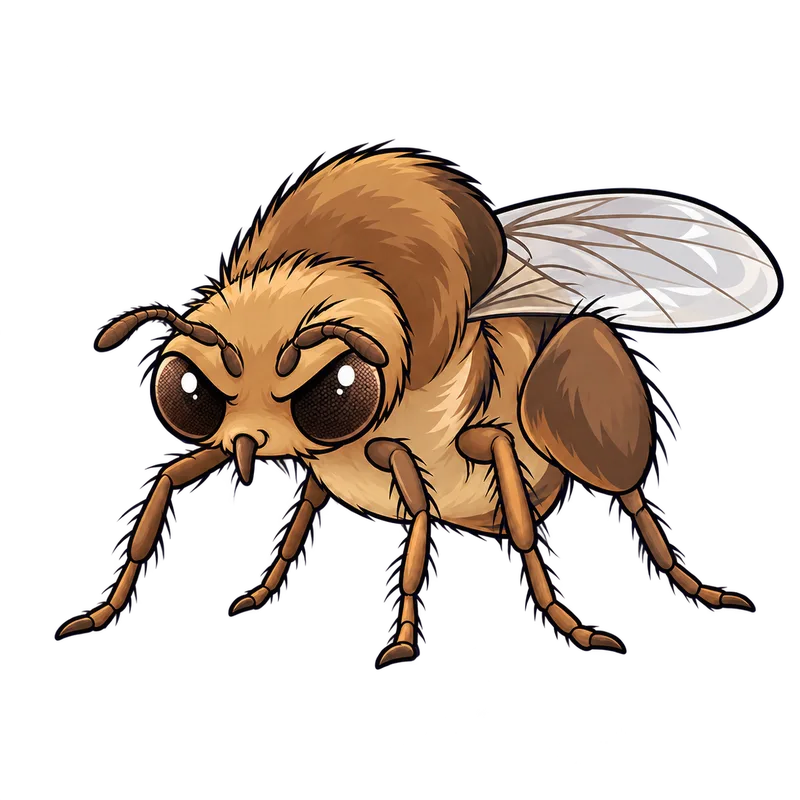
Phorid flies and fruit flies differ in their bodies, movement, and breeding habits, though both measure roughly one-sixteenth to one-eighth of an inch. Fruit flies have red eyes and tan bodies, and they hover near sweet food. Phorid flies have dark eyes and a humpbacked profile, and they run across surfaces and breed in sewage or slime.
What is actually going on
You walk into the kitchen on a Tuesday morning, ready to pour your coffee, and notice a handful of tiny insects buzzing around the fruit bowl. Automatically, you assume they are fruit flies, grab a small dish of apple cider vinegar, and set a trap. By Thursday, the fruit bowl is clear, but you spot a few more tiny bugs sprinting across the kitchen counter like nervous little sprinters wearing heavy backpacks. They do not hover lazily over the sugar bowl. They dash across the surface in short, jerky bursts, stop, run a bit more, and only occasionally take to the air.
You are dealing with two entirely different pests, and treating them the same way is a recipe for frustration. What you are looking at now is likely a phorid fly, not a fruit fly. While both insects are small, measuring roughly one-sixteenth to one-eighth of an inch, they belong to completely separate insect families with radically different habits, bodies, and breeding grounds.
Fruit flies belong to the family of vinegar or pomace flies and are drawn directly to the sweet, yeasty fermentation of overripe bananas, open wine bottles, or unrinsed soda cans. Phorid flies, often called humpback flies or scuttle flies, belong to a different family entirely. They do not care about your fruit bowl. They are saprophagous insects, meaning they thrive on the bacterial decomposition of heavy organic sludge, sewage, pet waste, and the slimy biofilm lining neglected drainpipes.
The confusion happens because people tend to lump every tiny winged insect in the kitchen into a single category. But a phorid fly is built for an entirely different underground and industrial life. Once you understand what separates them, you stop fighting the wrong battle and start looking in the places where these flies actually live and breed.
How to tell for sure
Telling them apart does not require a laboratory microscope, but it does require looking past their tiny size. If you catch one and place it under a magnifying glass, or simply observe how it moves across your wall, a few distinct features usually give the game away immediately.
Start by looking at the eyes and the back. A common fruit fly usually features bright red compound eyes and a gently rounded, tan or yellowish thorax. A phorid fly features dark brown or black eyes and a heavily arched, dome-like thorax that gives the insect a distinct humpbacked side profile. That hump is essentially a powerful muscular engine designed to drive its legs rather than its wings.
Next, watch how the insect moves. Fruit flies are standard fliers that hover gracefully around food sources and land directly on liquids. Phorid flies are reluctant fliers. When disturbed, they characteristically run or scuttle across walls, counters, and floors in rapid, erratic bursts before finally taking flight. If you notice an insect that seems to prefer running over flying, you are usually looking at a phorid.
Finally, look at the wings if you have magnification. Phorid flies possess heavy, darkened veins concentrated along the leading edge of the wing, with simple parallel veins running across the blade and no cross-veins. Fruit flies have standard, delicate wing venation with a network of cross-veins. And if your apple cider vinegar trap catches dozens of flies while others ignore it entirely, the ones walking right past the trap unbothered are usually phorids, which are entirely indifferent to fruit-based lures.
What usually comes next
Once you have figured out what you are looking at, your next sensible step is to stop wasting time on general traps and go straight after the breeding ground. If you have fruit flies, your attention belongs on produce management, rinsing recycling bins, and wiping down sticky syrup spills. But if you have phorid flies, your hunt has to shift toward hidden moisture, stubborn slime, and plumbing breakdowns.
When phorids show up indoors, people often make the mistake of dumping a kettle of boiling water or a bottle of chlorine bleach down the kitchen sink. Sadly, bleach and hot water just slide right over the top of thick, rubbery pipe sludge like rain off a slick raincoat, leaving the underlying organic matter and the developing larvae completely safe.
Your best move for drain-breeding phorids is physical and biological cleanup. You need to scrub the inside walls of the pipe using a stiff-bristle pipe brush to physically tear apart the gelatinous film where the larvae live, followed by applying a specialized enzyme or microbial drain cleaner designed to eat away the remaining organic gunk. Treating the problem as a simple surface issue will always fail because the actual nursery is hidden out of sight inside your plumbing.
When to get help
There are moments when a household fly problem stops being a minor cleaning nuisance and starts looking like a warning sign of a major structural failure. If you have cleaned your drains, wiped away surface organic debris, and scrubbed every potential slime source, but phorid flies keep appearing day after day in a room with no food or open water, you usually have a hidden crisis beneath your floors.
Persistent phorid infestations that ignore standard cleaning often point to a broken sewer pipe, a cracked drain line, or a ruptured shower pan hidden under a concrete slab or tucked inside a crawlspace. When the soil beneath your house gets soaked with wastewater, phorid flies breed directly in that underground sewage and march up through foundation cracks and wall voids. This kind of problem demands bringing in a licensed plumber to run a camera inspection on your sewer lines and a certified pest control professional to sort out the mess.
On the health side, both phorid flies and fruit flies grow up in filth, feces, and decaying matter, which means they can mechanically carry disease-causing bacteria from dirty breeding sites right onto your kitchen counters. Phorid flies present a serious worry in places like hospitals or nursing homes because the adults are attracted to open wounds and mucous membranes. If you are dealing with persistent contamination risks in a healthcare setting, or if you run into unusual health symptoms or potential bites, talk to a clinician or public health authority right away.