
How do you get rid of phorid flies in a house?
To get rid of phorid flies in a house, you must find and clean out the damp, decaying organic sludge where the larvae breed instead of just chasing the adult bugs. Eradication depends on tracking down the hidden biofilm, grease, or plumbing leak supplying their habitat and using a stiff drain brush to physically scrub away the slime.
What is actually going on
You walk into the kitchen on a quiet Tuesday morning, pour your coffee, and notice a tiny, dark bug darting across the laminate counter in a frantic, jerky sprint before taking off. You wave it away, but by Thursday there are a dozen of them hanging around the baseboards, and by the weekend they seem to be everywhere except where you want them. You might immediately blame the fruit bowl, toss out every banana in the house, and set up a little saucer of apple cider vinegar, only to find the trap completely empty while the tiny invaders just keep multiplying.
To permanently get rid of phorid flies in a house, you have to stop chasing adults and track down the damp, decaying organic sludge where they are actually breeding. These tiny insects, often called scuttle flies because of their nervous habit of running across surfaces rather than flying immediately, do not care about your fresh fruit. Their larvae need moist organic slime, grease, rotting food debris, or sewage to survive.
Spraying a household aerosol or setting out sticky strips will only knock down the adults currently buzzing around your kitchen lights. If you leave the underlying breeding medium untouched, a brand new batch of flies will emerge in a few days to take their place. Eradication is entirely an exercise in source reduction, meaning you have to find the hidden grime, biofilm, or plumbing leak supplying their habitat and clean it out physically or biologically.
How to tell for sure
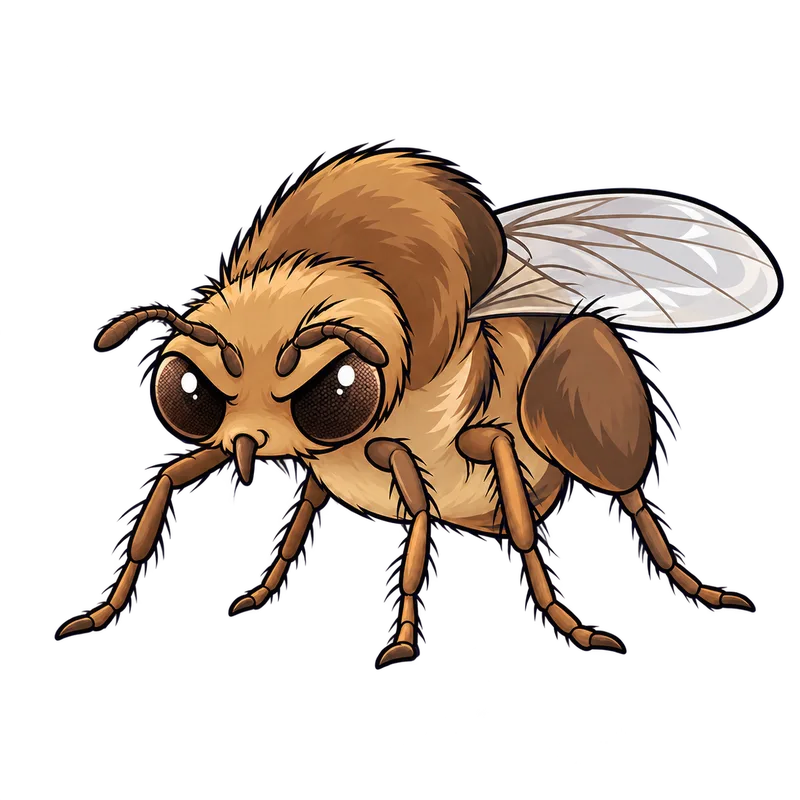
Before you start tearing apart your plumbing or scrubbing your floors, you usually want to confirm you are actually dealing with phorid flies instead of vinegar flies or fungus gnats. Phorids are remarkably tiny, measuring roughly one-sixteenth to one-eighth of an inch long, and they usually sport a tan, brown, or dark black color. If you manage to get a close look, you will notice a very distinct humpbacked profile, with an arched thorax that gives them a somewhat hunchbacked appearance compared to a standard house fly.
Their behavior is the biggest giveaway. When they land on a kitchen counter, a wall, or a windowpane, they rarely sit still. They typically execute a series of fast, erratic, scurrying sprints across the surface before finally launching into the air. If you happen to have a magnifying glass handy, you can check their hind legs, which feature enlarged, laterally flattened upper segments that give them that impressive running agility.
You can also run a simple diagnostic test to pinpoint where they are coming from. Take a strip of clear packing tape and place it sticky-side down right across a drain opening, leaving tiny gaps at the edges so air can still flow. Leave the tape in place overnight or for twenty-four hours. If phorid flies emerge from the pipes and get stuck to the underside of the tape, you have found an active breeding site.
What usually comes next
Once you realize the infestation is tied to a breeding source, you have to decide whether you are dealing with a routine maintenance issue in a sink drain or something much deeper hidden inside your home structure. If your drain tape test comes back positive, the remedy requires rolling up your sleeves for some mechanical cleaning. You need to remove the drain cover, grab a long, stiff-bristle drain brush, and physically scrub the interior walls of the pipe to break up the gelatinous layer of bacteria and grease where the larvae feed.
A common mistake is assuming you can skip the scrubbing by pouring a gallon of household bleach or boiling water down the sink. Bleach tends to slide right over the slick outer coating of a thick organic biofilm without penetrating the slime or harming the larvae living safely underneath. Instead of harsh chemical drain openers or bleach, follow your physical scrubbing with a specialized biological drain cleaner that uses living bacterial spores and enzymes to digest the remaining organic sludge over time.
If you scrub every drain in the house, sanitize beneath all your appliances, and still find clouds of phorid flies emerging near the baseboards or out of hallway flooring, the decision changes completely. That persistent activity usually points away from surface grime and toward a structural failure, such as a cracked drain line or a broken sewer pipe beneath your concrete slab foundation that is quietly saturating the soil underground.
When to get help
There comes a point in any stubborn pest situation where sanitation reaches its limit and you need to bring in outside expertise. If you have spent weeks scrubbing drains, managing household waste, and applying the right biological cleaners without seeing a drop in the fly population, it is time to call a professional pest control operator. They can deploy specialized structural foaming treatments and growth regulators in wall voids or commercial spaces where you cannot safely reach.
If your diagnostics point downward through the floor, you will need a licensed plumber rather than an exterminator. When broken subterranean sewer lines or leaking sub-slab pipes are the source, resolving the problem requires professional camera line inspections, concrete cutting, and soil excavation to fix the broken plumbing and clean out the contaminated earth underneath the building.
On the health side, because phorid flies frequently spend their time in filth, sewage, and decomposing matter, adult flies walking across your kitchen counters can transfer disease-causing bacteria onto your food preparation surfaces. While these flies do not bite humans, if anyone in your household experiences unexplained skin lesions, persistent allergic reactions, or if you suspect a medical issue related to pests, consult a qualified physician, urgent care clinic, or poison control center right away rather than attempting any home remedies.