
Do horseflies bite or sting?
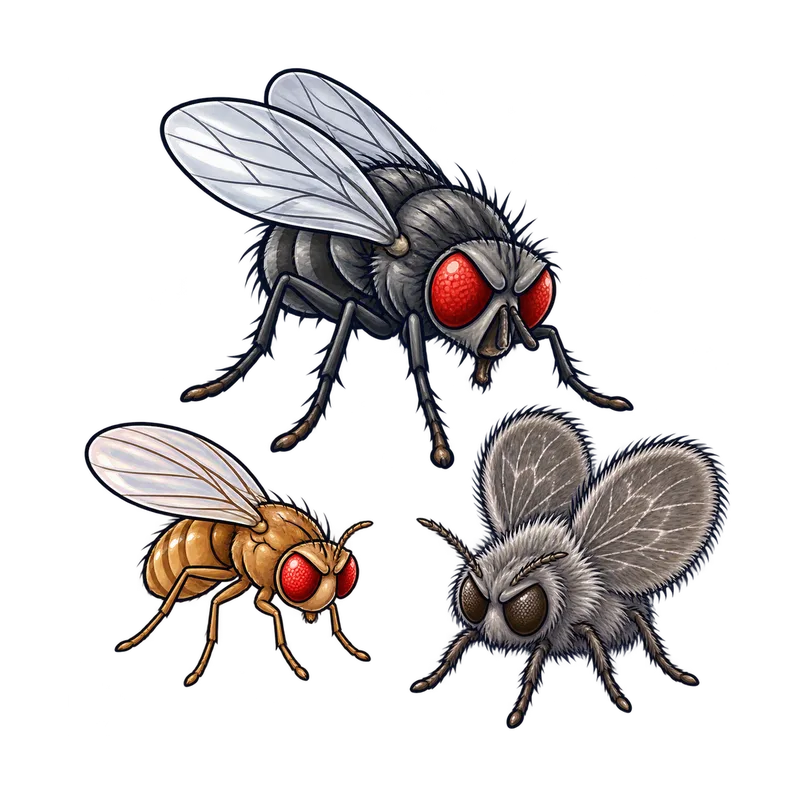
Horseflies bite and they do not sting. They lack a tail stinger and instead use specialized mouthparts on their head to slice open the flesh and lap up the blood. That sharp pinch is caused by miniature blades cutting directly into your skin from the front.
What is actually going on
You are standing by the garden gate on a warm, humid afternoon, trying to pull weeds around the tomato plants, when a heavy, dark-winged insect makes a sharp, silent dive toward your ankle. Before you can swat it away, a sudden, sharp pinch makes you jump. You slap at your sock, leave behind a small drop of blood, and wonder whether the creature just stung you or took a bite out of your skin.
To clear up the confusion right away: horseflies bite, and they do not sting.
In the biological world, the difference between a bite and a sting comes down to architecture. Stinging insects, like yellowjackets, hornets, and bees, carry their weapon at the rear of their bodies. Their stinger is a modified egg-laying tube connected to a venom gland, which means stings happen from the tail end.
Horseflies are true flies, which places them in a completely different biological category. They lack any kind of tail stinger. Instead, they rely entirely on their head. When a horsefly lands on your skin, it uses specialized mouthparts to slice the flesh open, creating a small pool of blood that it laps up. That sudden burst of pain you feel is not a dose of venom being injected from behind, but rather the result of a miniature pair of blades cutting directly into your skin from the front.
How to tell for sure
People often try to figure out what attacked them by staring at the red mark left on their skin, but that approach usually leads to a dead end. When an insect breaches the skin, your immune system reacts with local inflammation, histamine release, and swelling. A welt from a horsefly bite can look remarkably similar to a reaction from other outdoor bugs, minor scrapes, or even a localized bacterial skin infection.
If you managed to catch a glimpse of the culprit before it flew off, identification becomes a bit more straightforward. Horseflies are usually large, stout-bodied flies with massive, iridescent eyes that often cover most of their head. They fly with an audible, heavy buzz and tend to target warm-blooded animals and humans near damp areas, pastures, or humid woods.
When you cannot get a clear look at the insect, though, you usually cannot rely on the wound alone to tell you the story. Skin lesions and red marks overlap so heavily in appearance that photographs rarely provide a definitive answer. If you need absolute certainty about a persistent outdoor pest, you usually have to consult a local university extension service or a pest control professional while bringing along a well-preserved specimen, rather than trying to guess from a photograph.
What usually comes next
Once you realize you are dealing with a horsefly bite rather than a sting, the immediate task is managing the wound safely and simply. Most minor outdoor bites respond well to basic first aid, which starts with washing the area thoroughly with plain soap and warm water to remove any surface bacteria.
After cleaning the site, you can apply a clean cold compress or an ice pack wrapped in a cloth to help calm the local swelling and dull the ache. Elevating the affected arm or leg can also keep throbbing to a minimum if the bite is on a limb.
One common temptation is to squeeze the mark or try to suck out fluids, but you should avoid that entirely, as it only introduces more irritation and potential bacteria into the delicate skin layers. Over-the-counter anti-itch creams or oral antihistamines can help manage persistent itching while the skin heals. If the discomfort hangs around or you are unsure how your body is reacting, your best path is to monitor the area closely over the next day or two rather than attempting home remedies of questionable value.
When to get help
While the vast majority of horsefly bites heal up on their own without turning into a crisis, certain warning signs mean you need to step away from home care and seek professional evaluation.
If you or someone nearby experiences trouble breathing, swelling around the lips, tongue, or throat, dizziness, or a sudden widespread rash, call emergency services immediately. These signs can point toward a severe allergic reaction that requires prompt medical intervention.
You should also consult a healthcare clinician if a bite begins to show signs of a secondary bacterial infection, such as expanding redness, pus, increasing warmth, or red streaks spreading away from the wound. Tetanus status matters too, as any mechanical breach of the skin by an outdoor pest means you should check whether your tetanus booster is up to date, usually recommended within the past five to 10 years. For managing the flies themselves around your property or livestock, reach out to a licensed pest management professional or your local agricultural extension office for guidance tailored to your region.