
What are little brown flying bugs in a house?
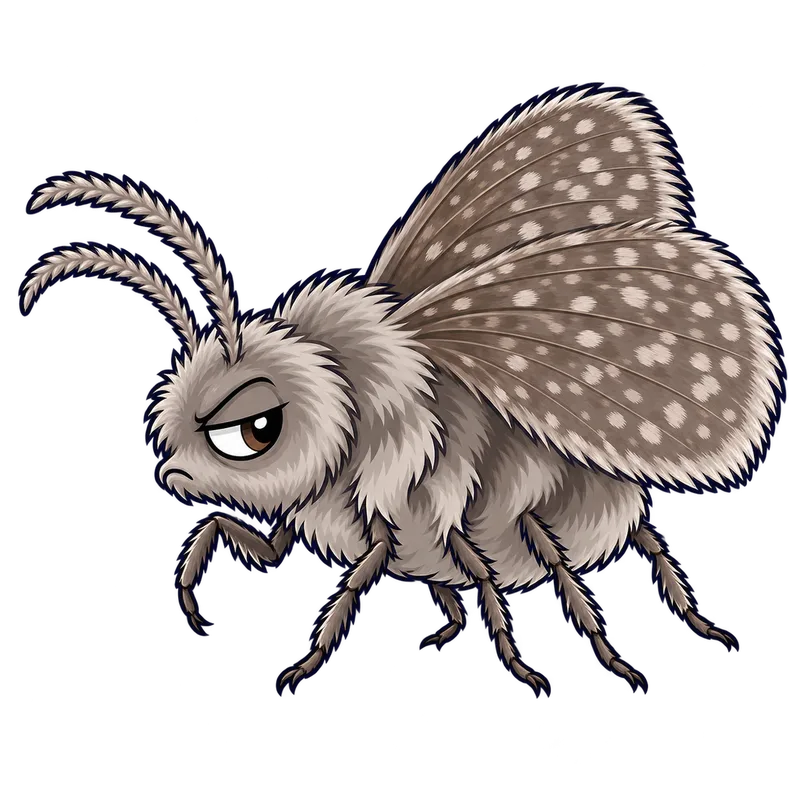
Little brown flying bugs in a house are usually stored product beetles, small nuisance flies, carpet beetles, or reproductive wood-boring insects. Identifying which one you have depends entirely on where you spot them, such as near dried goods in the pantry or around damp areas and sinks.
What is actually going on
You are wiping down the kitchen counter after dinner, and a tiny brown insect lands right in the middle of your sponge. A moment later, another one flitters toward the warm glow of the overhead light, and then you notice a few more walking along the window sill. They are small, unassuming, and completely anonymous to the untrained eye. Naturally, your first thought involves wondering where an entire platoon of miniature aviators suddenly materialized from, especially when you are certain you left the doors and screens firmly shut.
Those little brown flying bugs are usually one of a few common household intruders, and knowing which one you are dealing with depends entirely on where you spot them. You might be looking at stored product beetles that hatched inside a forgotten box of cereal or an unsealed bag of pet food. Alternatively, you could have small nuisance flies that breed in the organic sludge of a sluggish drain, carpet beetles seeking out sunlight, or even reproductive wood-boring insects.
The biggest mistake people make is assuming every small flying bug requires the exact same fix. Spraying an all-purpose aerosol into the air will never solve the problem if the source of the infestation is tucked away inside a dark pantry shelf or deep beneath a concrete floor slab. Adult insects are naturally drawn to light fixtures and windows, meaning they frequently travel quite far from the actual nursery where they hatched and fed during their larval stage.
How to tell for sure
Pinpointing the exact culprit requires a close look at body shape, wing structure, and antenna details, usually requiring a simple hand lens to inspect properly. If you find small beetles near dried goods or spices, you are usually dealing with pantry pests like cigarette beetles, which measure about 1/8 of an inch long and have a head tucked under a rounded shell, or red flour beetles, which possess a distinct 3-segmented club at the tips of their antennae.
When the bugs are erratic and darting around sinks or damp areas, you are usually looking at small flies. Fruit flies have prominent red eyes and tan bodies, while phorid flies feature a noticeable hump on their back and tend to scuttle quickly across surfaces before taking flight. Moth flies look like tiny, fuzzy triangles with scaly wings, and fungus gnats usually hover weakly around the damp soil of overwatered house plants.
Do not confuse these flying visitors with wingless crawling pests that often cause panic. Bed bugs, fleas, and booklice cannot fly at all. If your mystery bug is flat and reddish-brown, it is not a bed bug if it flies away, because true bed bugs do not have wings. When you spot winged insects with straight antennae and broad, uniform waistlines near door frames in the spring, those are usually termite swarmers rather than flying ants, which feature pinched waists and elbowed antennae.
What usually comes next
Your single best move is to stop chasing adult bugs around the room with a rolled-up magazine and instead start hunting for the breeding ground. If you are finding beetles, empty out your pantry cabinets, inspect every box and bag of grain or pet food, and throw away anything showing webbing, clumps, or tiny entry holes. If the flying bugs are small flies, your focus needs to shift entirely to plumbing drains, garbage disposals, and damp organic debris where moisture creates a breeding film.
Resist the urge to buy total-release foggers or harsh chemical bombs to clear the air. Total-release aerosols settle only on open horizontal surfaces and completely fail to penetrate the cracks, wall voids, and food packages where these pests actually live and multiply. Cleaning out the physical source of food or moisture will always outperform any chemical spray regarding stopping these bugs from coming back.
When to get help
Call in a licensed pest management professional if you find pinhead-sized holes in hardwood flooring or structural timbers accompanied by piles of fine, flour-like or gritty dust, which indicates an active powderpost beetle attack. You should also bring in an expert if you spot earthen mud tubes climbing your foundation walls or hundreds of shed termite wings near your windows. Persistent small flies that survive rigorous drain cleaning often point to a broken sewer line beneath a concrete slab, requiring specialized plumbing and excavation work rather than standard pest control.
If anyone in your household experiences severe allergic reactions, unexplained skin rashes, or secondary infections, consult a qualified medical clinician immediately. Pest management professionals cannot diagnose bites or treat health symptoms. In the event of an accidental pesticide exposure or ingestion, call your local poison control center or seek emergency medical care right away, and keep the product container handy for reference.