
What do fungus gnat larvae in soil look like?
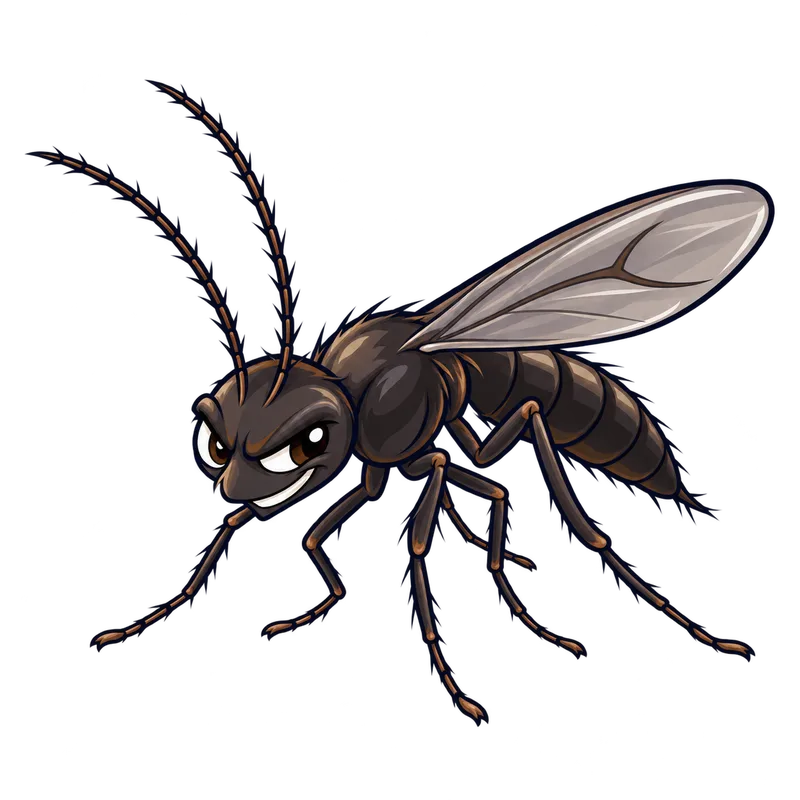
Fungus gnat larvae look like little pieces of clear glass thread or stray grains of white rice, measuring up to a quarter of an inch long. They have a smooth, translucent, dirty-gray or pale white body with a dark digestive tract running down the center and a hard, shiny black head capsule.
What is actually going on
You are sitting at your desk late at night, staring at your laptop screen, when a tiny, delicate fly flutters out of your favorite fiddle leaf fig and decides to walk across your glowing monitor. You wave it away, thinking it is just a stray fruit fly from the kitchen. But the next morning, when you look closer at the surface of the potting soil, you notice something unsettling. There are tiny, thread-like things wriggling just beneath the damp crumbs of peat, leaving behind faint tracks that catch the light.
If you have ever dug around in a damp houseplant pot and found those tiny squigglers, you are looking at fungus gnat larvae. To the naked eye, they look like little pieces of clear glass thread or stray grains of white rice, measuring up to a quarter of an inch long. If you squint, you might notice they move with a slow, sinuous crawl through the top layer of the potting mix, where the organic matter is decomposing and the moisture stays locked in.
What catches most people off guard is that these creatures are true fly maggots, but they do not look anything like the plump grubs you find in a garbage can. Instead, fungus gnat larvae have a smooth, translucent, dirty-gray or pale white body that lets you see their dark digestive tract running right down the center like a tiny spine. At one end sits their defining feature, which is a hard, shiny black head capsule. It looks almost like someone glued a speck of black pepper to the tip of a clear worm.
Confirmation usually requires getting a closer look, because a lot of things crawl around in dirt that do not belong there. If you grab a magnifying glass and look into the top two or three inches of your potting soil, you will usually spot the distinct black head capsule that separates these larvae from fruit fly or house fly maggots, which are entirely headless. That jet-black head tells you right away you are dealing with a lower fly rather than a higher one.
You can also rule out other common soil dwellers by watching how they move. Fungus gnat larvae are completely legless, so they slide and wriggle slowly through the soil pores. If you see something in your soil hopping around like a tiny flea, that is usually a springtail, not a fungus gnat. Springtails have six visible legs and a specialized jumping appendage underneath their abdomen. If you see something with lots of legs or a hard shell, you are looking at a centipede, a symphylan, or a root mealybug instead of a fly larva.
Pay attention to what they are doing in the pot. In most healthy indoor houseplants, these larvae are eating decaying organic debris, algae, and fungal spores. However, when their populations get crowded, or when the fungus runs out, they can start munching on tender plant roots and root hairs. This root damage creates open wounds and can carry soilborne pathogens from pot to pot, which is usually why your prized houseplant suddenly starts dropping leaves for no reason.
How to tell for sure
Faced with a pot full of translucent, black-headed wrigglers, your most effective practical decision is to stop watering on autopilot and let the top layer of the soil dry out thoroughly. Fungus gnat larvae are semi-aquatic creatures with very thin bodies that lack a protective waxy coating. They need high humidity and damp conditions to survive, meaning that if you let the top inch or two of your potting mix dry completely between waterings, the ambient drought will kill off the eggs and young larvae very quickly.
Plant owners often fall into a trap here. You notice your houseplant leaves turning yellow and looking droopy, so you assume the plant is thirsty and you pour more water into the pot. That extra moisture creates a luxury resort for the gnat larvae down in the roots, accelerating their growth and worsening the root decay. Breaking that cycle by letting the soil dry out, combined with making sure your pots never sit in standing water inside their saucers, usually changes the trajectory of the infestation without needing to guess at complicated chemical interventions.
What usually comes next
Most indoor fungus gnat situations are annoying rather than dangerous, but there are times when you need to hand the problem off to someone else. If you are dealing with large swarms of small flies emerging from floor drains, crawl spaces, or sub-slab areas in your home rather than from potted plants, you may be looking at a broken sewage line or a major plumbing leak. That calls for a licensed plumber or a structural pest professional, because surface treatments will not fix a hidden moisture leak beneath your floors.
When to get help
On the medical side, neither adult nor larval fungus gnats possess biting or blood-feeding mouthparts, meaning they do not bite humans or domestic animals. If you or a family member develop unexplained skin rashes, persistent bites, or allergic symptoms that you suspect are coming from bugs in your home, do not try to diagnose the issue through insect descriptions alone. Consult a qualified clinician or healthcare professional to determine the actual cause of the symptoms. Finally, if you are running a commercial greenhouse or managing institutional nursery stock where crops are suffering from mysterious, widespread root collapse, bring in a local agricultural extension agent or a certified pest control advisor to diagnose whether you are fighting gnat larvae or a stubborn fungal pathogen.