
No-see-ums vs gnats: how are they different?
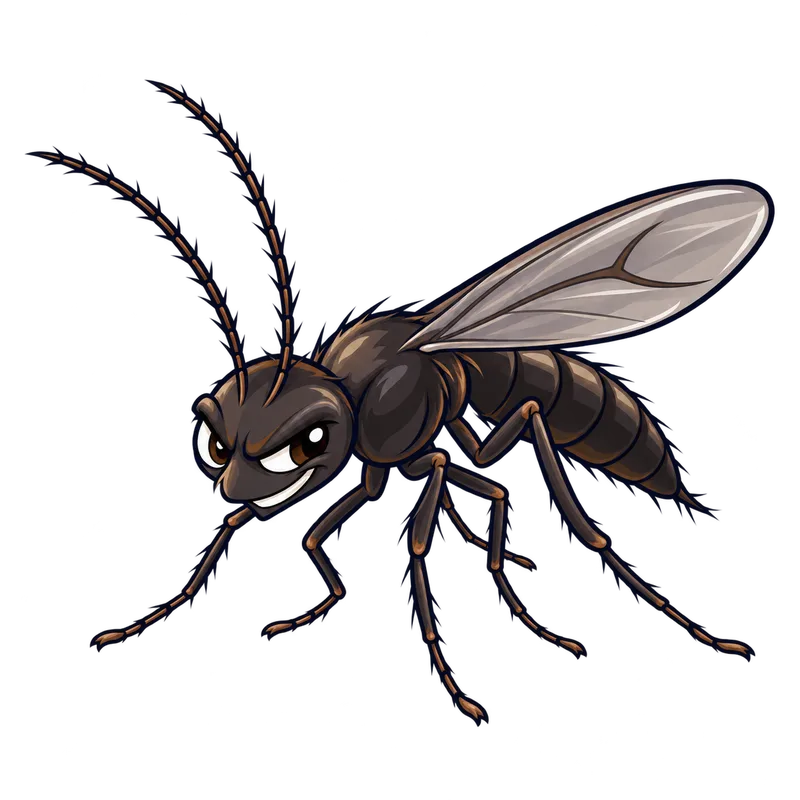
No-see-ums are fierce, tiny blood-sucking flies that measure between one and three millimeters in length and bite to feed, whereas common indoor gnats are harmless non-biting insects with spongy or reduced mouthparts. No-see-ums actively hunt you outdoors near marshes and wooded creeks, while fungus gnats and drain flies hover harmlessly around indoor houseplants and sinks.
What is actually going on
You are sitting on your screened porch as the sun dips below the tree line, enjoying a quiet evening, when you suddenly feel a series of sharp, prickling stings on your ankles. You slap at your skin, expecting to find a mosquito, but you see nothing at all, or perhaps just a tiny speck that looks like a grain of black pepper. The next morning, those invisible bites erupt into intensely itchy welts that refuse to go away. Naturally, you wonder what got through your defenses, and whether you are dealing with ordinary gnats or those infamous microscopic biters known as no-see-ums.
The short answer is that no-see-ums are fierce, tiny blood-sucking flies that actively hunt you down and bite, whereas common indoor gnats are entirely harmless non-biting insects that just happen to annoy you by hovering near your house. While people often use the word gnat as a catch-all term for any tiny flying bug, that habit causes plenty of confusion when you are trying to figure out how to stop the bites or clear the pests out of your living room.
No-see-ums are scientifically known as biting midges. Females possess specialized cutting mouthparts designed to slice into the skin for a blood meal, which they need in order to develop their eggs. Common gnats, on the other hand, cover a wide variety of unrelated flies. The most frequent indoor culprits are fungus gnats or drain flies, which have spongy or reduced mouthparts. They cannot pierce human skin, meaning they literally lack the hardware to bite you or your pets.
Another major point of confusion is how these creatures get inside your house. If you are sitting behind screens and still getting chewed up, you might blame the window mesh for failing. In reality, a standard residential window screen leaves tiny gaps roughly one millimeter wide. No-see-ums usually measure between one and three millimeters in length, but their slender bodies easily slip right through those standard screen apertures, treating your porch like an open doorway.
How to tell for sure
Figuring out which insect you are dealing with usually comes down to watching where you encounter them, looking at their physical posture, and checking whether anyone is actually getting hurt. If tiny flies are swarming around your indoor houseplants, crawling over your kitchen sink, or buzzing lazily around your television screen at night, they are usually non-biting fungus gnats, drain flies, or scuttle flies. None of these indoor visitors want your blood, and they cannot leave red welts on your skin.
If you are outdoors near a coastal marsh, a wooded creek, or sitting on a screened patio at dusk, and you feel sharp, burning pricks that turn into weeping sores days later, you are usually dealing with no-see-ums. To confirm the identity of a resting specimen, you can look closely at its shape and posture. No-see-ums usually have stout bodies, short legs, and broad, patterned wings that fold flat over their backs when they rest.
Fungus gnats usually look entirely different. They are delicate, mosquito-like flies with long, slender legs, bead-like antennae, and clear wings. If you notice a tiny, fuzzy bug with moth-like wings resting on your bathroom wall in a roof-like shape, that is usually a drain fly breeding in the gelatinous slime inside your pipes. If the tiny fly is running in frantic, jerky sprints across your kitchen counter instead of taking flight, it is usually a phorid fly.
Location and time of day also offer strong clues. No-see-ums are strictly outdoor creatures that breed in saturated mud, salt marshes, or damp forest soils. They usually swarm during calm wind conditions at dawn and dusk, or on heavily overcast days. Fungus gnats complete their entire life cycle indoors if you have overwatered potted plants, meaning you will see them hovering around your houseplants in the middle of a sunny afternoon just as easily as at night.
What usually comes next
Once you know whether you are fighting outdoor biters or indoor hoverers, you have to make one practical decision: focus your energy on physical exclusion and personal repellents, or shift your focus to moisture control and indoor sanitation. Trying to spray general household cleaners at outdoor no-see-ums or setting sticky traps for biting midges will only lead to frustration, because their breeding grounds are outdoors in the wider environment.
If your primary issue is outdoor biting midges sneaking onto your porch or patio, your most effective physical move is to upgrade your defenses rather than chasing individual bugs. Standard window screens will not stop them, so replacing vulnerable porch screens with fine micro-mesh screening stops these tiny biters from passing through the gaps. When you are sitting outside, applying a topical repellent containing DEET or Picaridin to exposed skin and light-colored clothing provides reliable personal protection, provided you remember that repellents should never be applied to infants under 12 months of age.
If your problem is actually indoor fungus gnats rising in a cloud from your favorite houseplant, buying outdoor bug sprays is a waste of time. Your decision here must center on breaking their life cycle inside the potting soil. Fungus gnat larvae depend on damp organic matter deep in the pot to survive. Letting the soil dry out completely between waterings cuts off their moisture supply and kills the developing larvae naturally, turning your attention away from the flying adults and toward the root cause of the infestation.
When to get help
Most minor bug encounters can be handled with basic adjustments around the home, but certain situations cross the line into territory that requires professional or medical intervention. If you scratch intensely itchy no-see-um bites until the skin breaks, you risk introducing bacterial pathogens into the wound. If those bite sites become intensely swollen, painful, warm to the touch, or start draining pus, you need to visit a clinician or an urgent care facility for proper medical evaluation and treatment.
Severe reactions demand immediate medical attention. Swarming bites from biting midges can occasionally trigger systemic allergic reactions, facial swelling, dizziness, or respiratory distress in sensitive individuals. Anyone experiencing trouble breathing or widespread swelling after insect exposure must seek emergency medical care right away.
Indoor infestations can sometimes point to hidden structural defects that require professional help. If you notice persistent swarms of phorid flies or drain flies inside your home that do not go away no matter how much you clean your sinks, the issue may stem from broken sewer pipes or cracked drain lines hidden beneath your concrete floor slabs. In that scenario, you should call a licensed plumber or a structural pest control operator to inspect and repair the underlying plumbing failure.