
What do black fly bites on dogs look like?
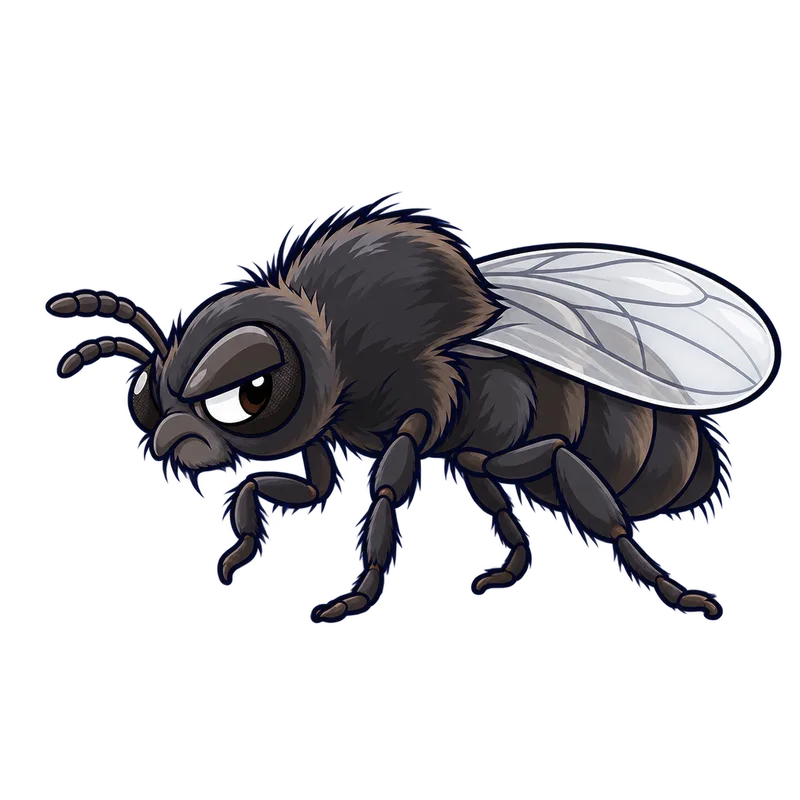
Black fly bites on dogs look like small red spots, swollen little welts, and tiny dots of dried blood scattered on bare skin. These marks typically appear as itchy and raised red papules with delayed swelling. You will usually find them clustered on thin-haired areas such as the inner ears, belly, groin, or inner thighs.
What is actually going on
Picture this. You take your dog for a morning walk along a tree-lined river path, enjoy the cool air, and head back home. Later that afternoon, your dog rolls over on the living room rug for a belly rub. As you scratch their stomach, you notice a constellation of small red spots, swollen little welts, and tiny dots of dried blood scattered across their bare skin. What you are looking at is a classic reaction to black fly bites.
Black flies, which people sometimes call buffalo gnats because of their slightly humped backs, go after dogs during daylight hours. Unlike mosquitoes that sneak up with a needle-like tube to tap right into a blood vessel, black flies use a completely different method. They have bladelike mouthparts that slice open the skin to create a small pool of blood at the surface, much like a tiny pair of scissors cutting through the outer layer.
While they feed, these flies inject saliva that contains natural numbing agents and anticoagulants to keep the blood flowing. That is why your dog usually does not yelp or twitch while the fly is taking its meal. Within a few hours, though, the numbing effect wears off. Your dog's immune system recognizes the foreign proteins in the insect saliva, and the bite sites turn into itchy, raised red papules accompanied by delayed swelling.
How to tell for sure
If you are trying to confirm whether those marks came from a black fly, location is usually your best clue. Because dogs are covered in fur, these tiny flies look for places where the hair coat is thin or missing. You will usually find the bites clustered on the inner ears, the bare skin of the belly, the groin, or around the inner thighs, mirroring how a short-haired dog or a clipped pet shows widespread torso marks while thick-coated breeds are shielded everywhere except their bare patches.
To understand where these insects come from, think about their life cycle. Black fly larvae develop exclusively in clean, flowing, highly oxygenated rivers and streams, holding fast to submerged stones like tiny kayakers anchored in a rapid. They never breed in standing water, so a backyard birdbath or a stagnant garden pond rules them out entirely. Even so, adult flies can travel significant distances from moving water on wind currents to find a host.
You might wonder if you can tell the culprit just by looking at a photograph of the skin. The short answer is usually no. A red circular welt on a dog's belly can be caused by fleas, biting midges, stable flies, ticks, or even a contact allergy. Skin lesions are simply the way a dog's body reacts to an irritant, so photographs or visual inspections alone cannot provide a definitive identification of the insect without a captured specimen.
To complicate matters further, other biting pests share similar habits. Stable flies, for instance, frequently attack dog ear tips and lower legs, but they use a bayonet-like snout rather than slicing mouthparts. Unless you actually catch the insect on the dog or examine a captured specimen under magnification, telling them apart by the bite mark alone is nearly impossible.
What usually comes next
The most practical decision you face right now is how to stop the cycle of itching and self-trauma without making things worse. When a dog feels an intense itch from a cluster of fly bites, they will naturally try to lick, bite, or scratch the area raw, which often leads to secondary bacterial skin infections.
Start by washing the affected skin gently with mild soap and clean water to remove any lingering dirt and insect saliva. If the skin is hot and swollen, a cold compress held against the belly or ears for a few minutes can help settle the inflammation. When a dog is obsessively chewing at the sores, placing a protective barrier collar around its neck is usually the simplest way to prevent further damage while the skin heals.
If you are thinking about reaching for human bug sprays or leftover remedies from the medicine cabinet, pause for a moment. Never apply human insect repellents, chemical deterrents, or concentrated essential oils to a dog. These products can cause severe toxicity if the dog licks its fur during grooming.
When to get help
Most minor insect bites heal well with basic home care and a bit of time, but certain signs mean you need professional backup. If your dog develops facial swelling, hives, vomiting, sudden lethargy, or difficulty breathing after being bitten, take them to an emergency veterinarian immediately, as these are signs of a severe allergic reaction.
You should also consult a veterinarian if the bite sites start to ooze pus, develop yellow crusts, or feel intensely hot, which usually points to a secondary bacterial infection requiring antimicrobial treatment. Keep in mind that any topical spot-on treatments, medicated sprays, or preventative shampoos you want to use on a pet require explicit veterinary approval.
Products containing specific synthetic insecticides, for example, are often safe for dogs when prescribed correctly, but they can be extremely toxic to cats. If you have both species running around the house, you have to keep treated animals separated, and any outdoor premises or kennel treatments involving chemical applications must be left to licensed pesticide applicators following product labels strictly. When skin reactions on either pets or humans become severe, spreading, or accompanied by fever, it is time to involve a clinician, a veterinarian, or the appropriate health agency rather than guessing at home treatments.