
Why are black fly bites noticed on a dog's belly?
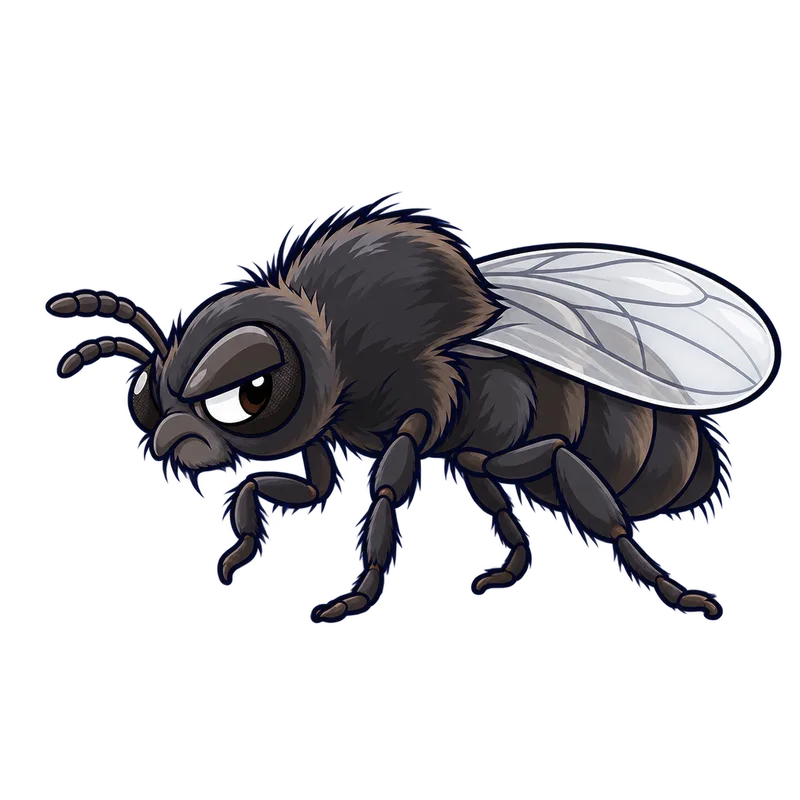
Adult female black flies target a dog's belly because the coat is sparse and blood vessels sit close to the surface. These tiny insects measure roughly one-sixteenth to one-eighth of an inch long, and they actively crawl through the fur to reach bare skin during calm daylight hours.
What is actually going on
You take your dog out for a morning walk along a shaded stream trail, enjoying the mild late spring weather. Later that evening, while your dog rolls over for a belly rub, you spot a cluster of bright red spots scattered across their smooth, hairless abdomen, and you immediately wonder if you are looking at tick bites or some strange skin infection.
The short answer is that adult female black flies actively seek out blood meals during daylight hours and actively crawl through a dog's fur to reach areas of thin or bare skin. The ventral abdomen, or belly, and the inner thighs offer prime targets because the coat is sparse and the blood vessels sit close to the surface.
You might wonder why your dog did not yelp or jump when the bugs started feeding, given how angry those red spots look hours later. Black flies operate through pool feeding rather than direct vessel piercing. Once they reach the skin, they use rigid, bladelike mouthparts to lacerate superficial capillaries, creating a tiny pool of blood to lap up. Along with these cuts, they inject saliva packed with local anesthetics and anticoagulants.
Because the saliva numbs the area, your dog feels nothing while the fly feeds undisturbed for several minutes. The trouble starts thirty to sixty minutes later, after the insect has flown away and your dog's immune system reacts to the foreign proteins left behind. That delayed reaction triggers a histamine response, producing the red wheals, circular welts, and tiny bleeding points that catch your eye when the dog finally settles down on the floor.
How to tell for sure
Pinning down the culprit usually starts with looking at the physical traits of the pest and the specific habits involved, though a photograph or a quick glance at a skin mark alone cannot offer a guaranteed diagnosis. True black flies, often called buffalo gnats because of their distinctly arched, humpbacked thorax, are remarkably small insects measuring roughly one-sixteenth to one-eighth of an inch long. They have stout, dark bodies and clear wings, and they usually swarm during calm, humid daylight hours, particularly right before a rainstorm.
You can usually separate black flies from other common biters by where they target a dog and how they behave. Stable flies tend to focus their attention on the tips of a dog's ears and the lower legs rather than crawling underneath the belly. Fleas favor the tail base, groin, and belly, but they leave behind tiny jumping insects and sandy black droppings in the coat.
Biting midges, often called no-see-ups, are even tinier and tend to feed around dawn and dusk, delivering a burning sensation right away. Ticks anchor themselves firmly in place with barbed mouthparts and stay attached for days, whereas black flies feed for a few minutes and fly off.
At the same time, keep in mind that fungal ringworm, tick-borne rashes, flea allergy dermatitis, and bacterial skin infections can easily mimic these circular red abdominal marks. If you live more than ten or fifteen miles away from clean, fast-flowing rivers where these flies breed, a backyard rash is usually caused by something else entirely, like fleas or contact allergies.
What usually comes next
Managing the aftermath mostly comes down to keeping your dog away from more bugs while watching how the skin heals. If your property sits right near rushing streams or tree-lined rivers during the late spring and early summer rush, the easiest fix is keeping your dog inside during the hottest daylight hours, particularly when the air feels still and heavy.
When you do head out near the water, setting up a small fan on your patio or porch makes a noticeable difference, since these weak flyers cannot make headway against a steady breeze. It is also smart to take a close look at your window and porch screens to ensure the mesh is tight enough to block tiny gnats.
If you are tempted to spritz your dog with your own bug spray before a walk, hold off on that idea. Never put human bug sprays containing DEET on a dog, because pets naturally lick their fur and can easily poison themselves. Any cream or spray meant to keep biting pests off an animal must have a clear label stating it is safe for dogs.
If you decide to use permethrin sprays on your clothes or outdoor gear to keep the bugs off yourself during a walk, keep in mind that these products are deadly to cats. If you have both dogs and cats under the same roof, keep all treated gear safely out of reach so your cats never come into contact with it.
When to get help
Most minor red marks left by biting gnats clear up on their own in a couple of days without needing any special treatment. Even so, certain signs mean you should stop waiting and call a professional right away.
Get in touch with your vet immediately if your dog shows signs of a serious allergic reaction, such as a swollen face, puffy eyes, body-wide hives, unusual sluggishness, or trouble breathing. You should also take your dog in if the bite marks start looking infected, oozing pus, forming crusts, or turning into open sores from constant scratching, or if a fever pops up after the bug exposure.
Never guess at medicine amounts or slap human anti-itch creams, prescription ointments, or home mixtures onto your dog's skin without asking a vet first. If you notice massive swarms of insects attacking farm animals or pets near rural creeks, your local agricultural extension office or vector control agency can often give you updates on how heavy the seasonal bug pressure is in your area.