
Do black fly bites itch?
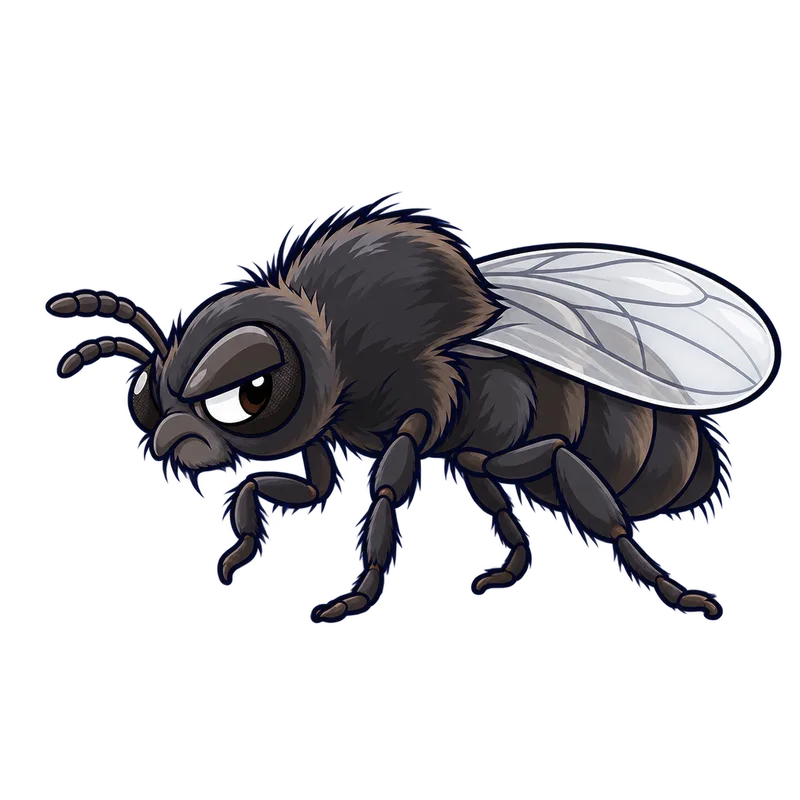
Yes, black fly bites itch intensely, and that irritation usually starts from an hour to several hours after the insect has finished feeding and flown away. This happens because your immune system reacts to foreign proteins left behind by the saliva, which triggers swelling, redness, and a maddening itch.
What is actually going on
You are standing by a rushing river on a warm spring afternoon, enjoying the breeze, and feeling completely fine. Later that evening, or perhaps the next morning, you notice a cluster of stubborn, angry red bumps on your neck and ankles that seem to itch with a vengeance. Do black fly bites itch? Yes, they itch intensely, and that irritation usually starts anywhere from an hour to several hours after the insect has finished feeding and flown away.
That delayed reaction often catches people off guard. When a female black fly lands on your skin, you rarely feel a thing because her saliva contains a temporary numbing agent. Instead of inserting a delicate, needle-like tube into a blood vessel the way a mosquito does, a black fly uses tiny, blade-like mouthparts to slice open your skin capillaries. She creates a micro-pool of blood and laps it up. While she feeds, her saliva keeps your blood flowing smoothly without clotting and masks the pain so you do not swat her away.
Once she leaves and the numbing agents wear off, your immune system finally registers the foreign proteins left behind in your skin. Your body releases histamine and recruits inflammatory cells to the site, which triggers swelling, redness, and that signature, maddening itch. For some people, the reaction stays mild, but others can develop extensive swelling, painful welts, or even temporary eye closure if bitten near the face. Because this immune response takes time to build, the worst of the discomfort often peaks well after you have moved indoors.
How to tell for sure
It is natural to look at a swollen, angry red mark on your skin and want to name the culprit immediately. However, insect bite reactions are medically non-specific, meaning a photograph or a quick visual check of a lesion usually cannot tell you for certain which bug caused it. An allergic reaction to a black fly bite can look remarkably similar to a bite from a mosquito, a midge, or even a flea.
If you want to know what you are dealing with, you usually have to look at the behavior and the environment rather than the mark itself. Adult black flies are small, stocky, dark insects measuring between 1/16 and 1/2 of an inch in length, and they usually sport a distinctly arched thorax that gives them a slightly humped back. They are daytime biters that swarm around your head, hair, and exposed skin, often crawling through tiny gaps in clothing or collars.
Where you encountered them also offers a major clue. Black fly larvae need unpolluted, fast-flowing, highly oxygenated moving water like clean streams and rivers to survive, as they anchor themselves to submerged rocks and debris. If you were nowhere near moving water, or if you are dealing with stagnant puddles in a backyard garden, you are usually looking at mosquitoes or biting midges instead. Distinguishing exact species often requires capturing a specimen and examining its wing venation and mouthparts under 10x or higher magnification, which is why everyday field identification relies mostly on context and timing.
What usually comes next
Once you realize you have been bitten by black flies, your main practical decision is choosing how to manage the ensuing itch without making the situation worse. The most important rule at this stage is to resist the urge to scratch. While scratching brings a fleeting sense of relief, it physically ruptures your skin barrier, drives the salivary antigens deeper into your tissues, and introduces opportunistic bacteria from your fingernails. That cycle is what turns a simple itchy welt into a painful, weeping secondary bacterial infection.
Instead of reaching for your fingernails, focus on calming the local immune reaction safely. Wash the bite site promptly with mild soap and clean water to remove any lingering surface debris, and hold a cold compress or an ice pack wrapped in a cloth against the skin for 10 to 15 minutes to knock down the swelling. Over-the-counter options like calamine lotion, topical hydrocortisone cream, or oral antihistamines can help dial back the intense histamine-driven itch while your body processes the proteins. If you are heading back outside into black fly territory, your best defense is prevention, which usually means wearing light-colored, tightly woven clothing with tucked-in cuffs and applying an EPA-registered repellent containing DEET or picaridin to exposed skin.
When to get help
Most black fly bites resolve on their own with a bit of patience and basic first-aid, but certain symptoms cross the line from an annoying nuisance into a medical concern. You should seek immediate emergency medical evaluation if you or someone else experiences signs of a severe systemic allergic reaction following a bite, such as difficulty breathing, a tight or constricted throat, swelling of the lips, tongue, or face, severe dizziness, or widespread hives spreading across the body.
You should also consult a clinician or visit an urgent care facility if a bite site starts showing signs of a secondary bacterial infection. Watch for redness that continuously spreads outward from the wound, red streaks extending away from the bite, increasing heat, throbbing pain, or pus draining from the lesion. On the environmental side, individual homeowners cannot treat public streams or large water bodies, so community-level management of heavy populations relies on public health abatement programs or licensed pest management professionals using approved biological control agents.