
Are spotted-wing drosophila larvae in fruit safe to eat?
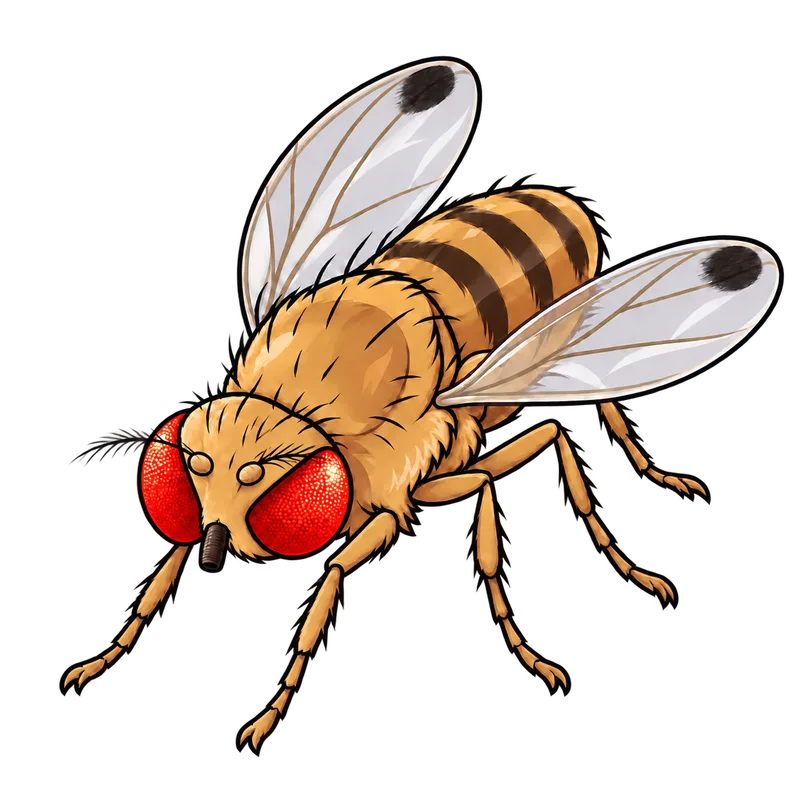
Yes, spotted-wing drosophila larvae in fresh fruit are generally safe to eat because they are not known to be inherently toxic or venomous. However, safety depends on the condition of the fruit, as eating heavily infested produce that has started to sour or rot can lead to a sour stomach.
What is actually going on
You have just walked in from the garden with a pint of beautiful, plump raspberries, ready to drop a few over your morning yogurt. Then you notice a tiny, almost imperceptible soft spot on one of them, and a fleeting thought crosses your mind about the tiny maggots you have heard live in homegrown berries. Are spotted-wing drosophila larvae in fruit safe to eat? The short answer is yes, they are not known to be inherently toxic, poisonous, or venomous to humans if accidentally consumed in fresh fruit.
Unlike the common fruit flies buzzing around a sticky cider bottle on your kitchen counter, which prefer to lay their eggs in rotting or fermenting garbage, the spotted-wing drosophila is a much pickier creature. Think of standard fruit flies as trash collectors that only show up after things go south, while this particular pest acts more like a fresh fruit burglar. The female uses a specialized, saw-like egg-laying organ to slice into completely sound, ripening fruit still hanging on the plant. Because she deposits eggs inside clean, living plant tissue rather than filth or manure, the larvae hatching inside do not carry the dangerous pathogens associated with flies that breed in sewage or decaying carcasses.
Even so, finding out your fruit is hosting uninvited guests is enough to ruin your appetite. While the insect tissue itself will not poison you, eating heavily infested fruit brings a few indirect risks worth keeping in mind. As those tiny larvae tunnel through the pulp, they break down the structural integrity of the berry and open the door for secondary molds and bacteria. Consuming fruit that has already started to sour or rot from microbial invasion can easily lead to a sour stomach or mild gastrointestinal irritation.
There is also the matter of what was sprayed on the plant before harvest. Because commercial growers face strict limits on finding even single maggots in fresh produce, many rely heavily on insecticide programs right up until picking time. If those chemical treatments were applied without respecting the legally required waiting periods, or if the fruit was never washed properly under running tap water, chemical residues could pose a bigger concern than the harmless insect protein inside the fruit.
Underneath the surface of a seemingly innocent berry, a complex biological interaction determines whether your snack remains harmless. When the adult female punctures the fruit skin, she introduces mechanical wounds that change the internal environment of the flesh. The plant responds to this physical stress, but the primary driver of physical breakdown is the subsequent bacterial and fungal colonization that enters through the tiny breathing holes and oviposition scars.
As the larvae feed and grow inside, they consume fruit sugars and yeasts, producing metabolic byproducts that soften the cellular structure. If you consume the berry at the very beginning of this cycle, the interaction is largely mechanical and involves little more than eating the immature insect. Once the microbial breakdown takes over and secondary rots establish themselves, the chemistry of the fruit changes dramatically, transforming a simple piece of infested produce into a source of potential digestive distress.
How to tell for sure
Spotting these tiny creatures requires a bit of detective work because they usually hide well beneath the surface of the fruit skin. You will rarely see an adult fly crawling out of a fresh berry unless the fruit is already past its prime. Instead, you can usually look for subtle physical clues on the exterior of the harvest. A fresh female attack leaves behind a tiny pinprick mark or a slightly sunken depression on the skin where she sliced the fruit open. If you look very closely under bright light, you might even spot a pair of microscopic, thread-like breathing tubes poking out of that tiny wound.
Inside the fruit, the larvae are small, cream-colored, legless maggots that taper at both ends and usually measure between 1.5 to 4 mm in length. When you want to check your harvest without slicing open every single berry, home gardeners usually rely on a simple salt-water flotation test. Submerging your freshly picked berries in a bowl of warm water mixed with a bit of salt for about 10 to 15 minutes creates an irritating environment that coaxes any hidden larvae out of the pulp so they float to the surface for easy counting.
You should keep in mind that you usually cannot tell spotted-wing drosophila larvae apart from other harmless vinegar fly larvae just by looking at them with your naked eye. They all look like identical tiny white specks. Confirmed identification usually requires sending specimens away for microscopic examination or genetic testing, which is why everyday home inspections focus on finding the damage rather than naming the exact species of maggot.
What usually comes next
Once you realize your harvest contains a few unwanted passengers, you generally have to decide whether to toss the whole batch or salvage what you can. If the fruit is still firm, bright, and structurally sound with only minor internal infestation, you do not need to throw it away. Putting your harvested fruit straight into the refrigerator at 34 degrees Fahrenheit to 38 degrees Fahrenheit acts like a pause button on insect development, halting larval growth and killing eggs and young pests. Alternatively, cooking the fruit into jams, jellies, or baked goods completely neutralizes any lingering larvae and microbes through heat.
However, you should draw a hard line at fruit that has dropped to the ground or shows visible signs of mold, leaking fluids, or advanced decay. That kind of spoiled produce belongs in the trash or sealed in a plastic bag left in the sun to solarize, never in an open garden compost pile where surviving flies can easily emerge and re-infest your next crop. If the thought of eating fruit with hidden insects simply turns your stomach, discarding the batch is always a reasonable choice for your own peace of mind.
When to get help
Eating a few hidden fruit fly larvae usually passes without incident, but certain situations call for outside intervention. If you or someone in your household experiences persistent abdominal pain, severe vomiting, prolonged diarrhea, or signs of an allergic reaction after consuming compromised fruit, you should consult a primary care clinician, visit an urgent care facility, or contact your local poison control center right away. Young children, pregnant women, older adults, and anyone with a compromised immune system should be especially cautious about eating raw, soft-damaged fruit due to a higher vulnerability to foodborne illness.
If you suspect someone has ingested dangerous pesticide residues from fruit that was treated without respecting proper pre-harvest waiting periods, contact emergency medical services or poison control immediately. For commercial growers or gardeners needing official verification of an insect pest on their property, visual guesses or photographs are usually not enough. You will need to preserve samples in rubbing alcohol and submit them to a university extension diagnostic laboratory for expert identification by a professional entomologist before making major management decisions.