
What are sand fly bites like at the beach?
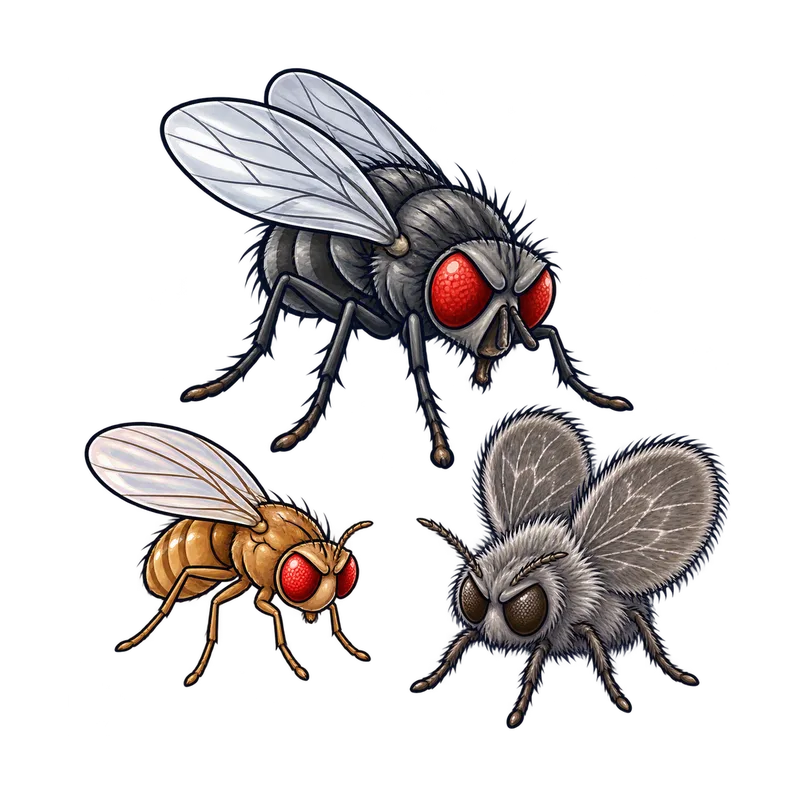
Sand fly bites at the beach feel like a sharp, burning prick from a hot pin because microscopic biting midges slash your skin open with miniature mouthparts instead of piercing it like a mosquito. By morning, those bites turn into tiny, angry red welts that can last for weeks and itch with a maddening intensity.
What is actually going on
You are sitting on a damp stretch of sand just as the sun starts dipping toward the horizon, holding a cold drink and enjoying the breeze. Suddenly, you feel a sharp, burning prick on your ankle, like someone touched a hot pin to your skin. You slap at the spot, expecting to find a mosquito, but your fingers brush against bare skin. You look closer, and there is nothing there at all. By morning, though, your legs are covered in tiny, angry red welts that itch with a maddening intensity that makes standard mosquito bites feel like nothing.
What you are dealing with are not actually true sand flies in the biological sense, but biting midges. People in the United States, Australia, and the Caribbean usually call them no-see-ums or punkies, but at the beach, everyone just calls them sand flies. These creatures are microscopic, measuring roughly one to three millimeters across, which explains why you never saw the culprit land on your skin. They breed in intertidal coastal sand, mangrove mud, and salt marshes, waiting in the calm air of early morning or dusk for an unsuspecting meal.
You might wonder why these bites hurt so much more than a typical mosquito bite, given how tiny the insects are. Mosquitoes use a thin, flexible needle to sip blood from a vessel, but biting midges use miniature, bladelike mouthparts to slash your skin open, creating a tiny pool of blood that they lap up. That blunt-force tissue slashing triggers an aggressive localized immune response.
That first wave of pain comes with a heavy dose of salivary proteins designed to stop your blood from clotting. Your body treats those foreign proteins as an emergency, flooding the bite site with histamine. For tourists and first-time visitors, that immune reaction spirals into swollen, blistering welts that can last for weeks. Locals who live near these beaches year-round often develop a sort of acquired immunity where their skin barely reacts at all, which feels deeply unfair when you are sitting indoors scratching your legs raw.
How to tell for sure
Pleasantly warm beach trips often end with mystery bumps, and people usually assume a doctor or a pharmacist can look at a row of red marks on a leg and name the exact insect that caused them. In reality, skin lesions are non-specific immune responses, meaning they usually cannot be used to identify a pest without catching the actual insect in the act. However, the context of where and when you were bitten narrows things down quite a bit. If you were sitting on a calm, damp beach during a still evening and felt sharp pinpricks without seeing any bugs, you are almost always dealing with biting midges.
It helps to know what these creatures are not. For instance, you might spot large swarms of buzzing insects near coastal waters that look terrifying but are completely harmless. Those are usually non-biting midges, which have feathery antennae and no mouthparts built for piercing skin. You might also spot sand wasps darting around dry beach dunes, which do not bite or suck blood, though a female can give you a painful sting if you accidentally crush her against your skin.
Another common mix-up involves the true phlebotomine sand flies, which look like tiny, hairy moths with their wings held up in a V-shape over their backs. Unlike biting midges, which prefer open, wave-washed beaches and salt marshes, true sand flies usually breed in dark, humid terrestrial spots like animal burrows, tree hollows, and damp leaf litter. If you are in the United States, true sand flies do exist in southern regions like Texas, but they are rarely the pest ruining a day at a typical public beach.
What usually comes next
When you want to enjoy a coastal evening without turning into an all-you-can-eat buffet for midges, your single best decision is to upgrade your physical barriers instead of relying on standard gear. Most people shut their porch windows or pitch regular camping tents, assuming the mesh keeps everything out. Sadly, standard window screening features gaps that are far too wide, which lets microscopic midges fly straight through into your living space or sleeping quarters.
If you spend time in coastal areas prone to these pests, you need to replace standard screening with specialized extra-fine mesh, usually sold as no-see-um screening. That single adjustment stops the insects from drifting indoors toward your lights or finding you while you sleep. Pair that fine mesh with ceiling fans or portable electric fans on your porch. Biting midges are exceptionally weak fliers, and even a mild breeze from a desk fan is enough to keep them from landing on your skin.
When you must step outside, clothing matters more than any other preventative step. Lightweight, light-colored long pants and long sleeves block the insects from reaching your skin. For exposed areas like your ankles and hands, apply a repellent containing DEET or Picaridin according to the product label instructions. Keep in mind that natural or botanical oils often wear off too quickly to handle a dense swarm of midges. If you are traveling with an infant under 12 months old, skip chemical repellents entirely and rely instead on fine mesh netting draped securely over a stroller or carrier.
When to get help
Most midge bites heal up on their own with a bit of cold washing and patience, but scratching can easily break the skin and introduce bacteria from your hands. If you notice increasing redness, spreading warmth, throbbing pain, pus, or red streaks extending away from the bite, you need to consult a clinician for a possible secondary bacterial infection that might require antiseptic care or oral antibiotics. Seek emergency medical care immediately if you experience signs of a severe systemic allergic reaction, such as swelling of the lips, tongue, or throat, dizziness, or trouble breathing.
There are also rare situations involving travel history that require medical attention. If you spent time in tropical, subtropical, or Mediterranean regions where true phlebotomine sand flies are common, and you develop non-healing skin ulcers, persistent fevers, or swollen glands weeks later, see a doctor right away to rule out conditions like leishmaniasis.
When managing the pests themselves, know where the line is drawn. You should never apply pesticides directly to beach sand, ocean water, or public intertidal zones. Treating open coastal breeding sites violates environmental regulations and harms local ecosystems. If you manage a coastal property and face a severe, persistent infestation around your buildings, leave the barrier sprays to a licensed pest management professional who understands how to apply residual treatments safely to exterior walls and landscaping without breaking the law.