
Drain flies vs gnats: how can you tell them apart?
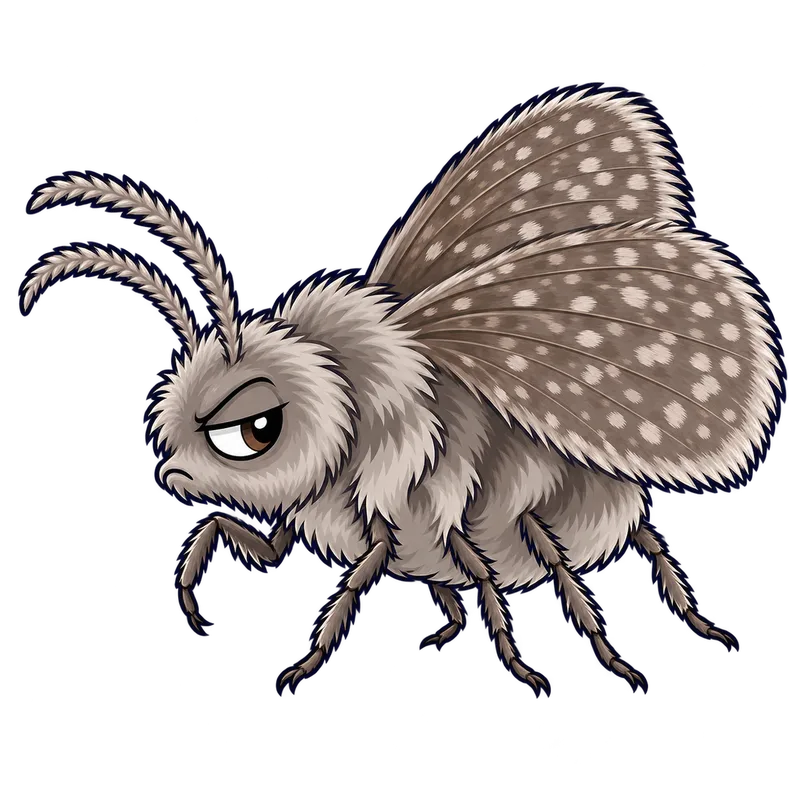
You can tell drain flies and gnats apart by their appearance and where they hang out. Drain flies measure 1.5 to 5 millimeters long with fuzzy bodies that look like miniature moths, while fungus gnats are slender with long legs and hover lazily around indoor houseplants. Telling them apart depends on whether they are found near bathroom drains or potted soil.
What is actually going on
You walk into the bathroom late at night, flip on the light, and notice a tiny, fuzzy creature resting right above the bathroom tiles. It looks less like a typical fly and more like a miniature moth shrunk down to the size of a sesame seed. Down the hall in the living room, you spot a few other small fliers hovering lazily around your favorite potted fern, looking more like skinny, long-legged mosquitoes. Naturally, you wave your hand and wonder if you are dealing with the same pest in both places.
The short answer is no. Drain flies and gnats are entirely different insects that happen to share a frustrating habit of showing up inside your house uninvited. Drain flies, often called moth flies or sewage flies, belong to a distinct family of insects that look furry and hold their broad wings in a roof-like shape over their bodies. Gnats, specifically fungus gnats, are slender, delicate creatures with long legs and antennae that usually resemble tiny, non-biting mosquitoes. Why do these differences matter so much when you just want them out of your living space?
You might assume that any tiny flying insect indoors is just a gnat by a different name, but lumping them together usually leads to a frustrating chase. Treating a plant-bound gnat problem by scrubbing your bathroom sink will leave you scratching your head when the bugs keep buzzing. Their habits, appearance, and preferred hangout spots tell completely different stories about what is happening behind your walls or inside your flowerpots.
Telling these insects apart usually comes down to watching how they move and taking a closer look at their bodies. Drain flies measure about 1.5 to 5 millimeters long and are covered in fine, hair-like setae. If you happen to crush one, it leaves a powdery, soot-like smudge rather than the wet smear you get from other flies. Their flight is weak, jerky, and typically limited to short hops or clumsy flutters across vertical surfaces near sinks, showers, and floor drains. How else can you recognize them before reaching for a spray can?
Fungus gnats are slightly smaller, slender, and delicate, measuring roughly 1.5 to 4 millimeters. They possess elongated legs and long, bead-like antennae, but they lack the heavy body fur of drain flies. Instead of hopping short distances on bathroom tiles, fungus gnats usually hover lazily around indoor houseplants or drift toward glowing electronic screens and windows in darkened rooms.
You also have to keep an eye out for a third common impostor, the phorid fly. Phorid flies measure about 1.5 to 3 millimeters, feature a distinct humpbacked thorax, and have a habit of running rapidly across kitchen counters or sinks in short, jerky sprints rather than taking flight. While they often breed in the same foul organic drain scum as drain flies, their frantic scuttling sets them apart instantly.
How to tell for sure
Once you spot a cluster of these tiny visitors, the most important choice you face is picking between two completely different management paths, depending entirely on where you found them. If your suspects are huddled near bathroom fixtures, the trouble lives in your plumbing, and you need to investigate the drain itself rather than the room air. You can run a straightforward test by drying out a sink overnight and placing a piece of clear packing tape loosely over the drain opening, sticky side down. If you wake up to find adult flies trapped on the tape, you have confirmed they are emerging directly from that specific pipe.
If the insects are fluttering around your houseplants, your plumbing is innocent, and the issue lies in your soil moisture. In that case, your main task is to let the top few inches of potting soil dry out completely between waterings, since fungus gnat eggs and young larvae generally cannot survive in dry earth. Choosing the wrong target means you could spend weeks scrubbing spotless kitchen drains while ignoring an overwatered parlor palm that is quietly hatching hundreds of new gnats every day.
What usually comes next
Most indoor fly issues clear up with basic source elimination, but certain situations call for outside help. If you have scrubbed your drain lines and applied proper biological cleaners, yet drain flies or phorid flies keep emerging in massive numbers week after week, the breeding source is likely located beneath your building foundation. Broken, cracked, or misaligned main sewer pipes under concrete floor slabs can leak raw sewage and organic sludge into the surrounding soil, creating an underground breeding ground that requires a licensed plumber with video inspection gear and a structural pest control professional.
Common beliefs often lead people to pour boiling water or household bleach down slow drains to wipe out the infestation in one go. Extension entomology tests show this is mostly ineffective because the liquid rushes down the center of the pipe, missing the thick, rubbery gelatinous scum lining the pipe walls where larvae hide. Instead, physical scrubbing with a long pipe brush followed by specialized microbial or enzymatic cleaners is usually required to break down that organic film.
When to get help
On the health and medical front, you can rest easy knowing that neither indoor drain flies nor indoor fungus gnats bite humans or pets, as they lack biting mouthparts. However, if you or someone in your home experiences painful, swollen skin bites or welts, the pest is definitely not a drain fly or a fungus gnat. In that case, keep the insects away from food prep areas to prevent mechanical contamination of bacteria, and point the reader immediately to a clinician, urgent care facility, or regional poison control center for evaluation. Finally, in commercial facilities, schools, or healthcare settings, pest management decisions must always follow local regulations and be handled by licensed applicators.