
Do stable flies bite?
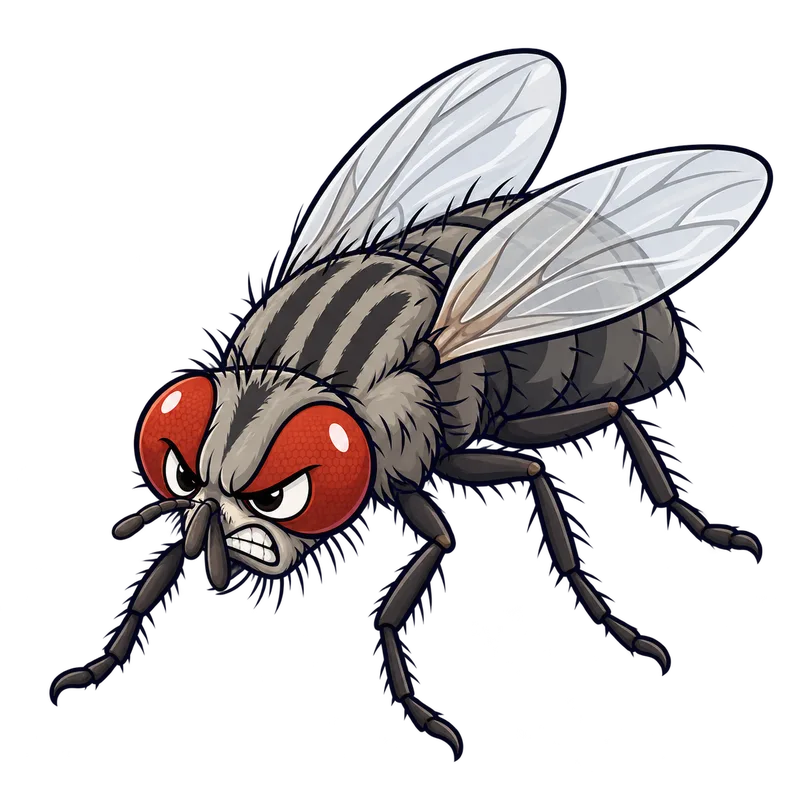
Yes, stable flies certainly bite, and both adult males and females rely on daily blood meals to survive. These gray insects measure about a quarter of an inch long and use a sharp, rigid beak to pierce skin. They almost always target human ankles and lower legs, sliding their mouthparts easily through thin socks and lightweight trousers.
What is actually going on
You are sitting on the back patio in your favorite shorts and a pair of thin athletic socks, enjoying a quiet afternoon, when a sharp, stinging pain suddenly hits your ankle. You reach down to swat away what you fully expect to be a mosquito, but instead you knock away a bug that looks remarkably like an ordinary, harmless house fly. It is a confusing moment because you have spent your whole life swatting house flies away from kitchen counters without ever worrying about them breaking your skin.
So, do stable flies bite? Yes, they certainly do. In fact, biting is practically their full-time job. Both adult males and adult females possess a sharp, rigid, bayonet-like beak that projects forward from beneath their heads. They rely on blood meals daily to survive, which sets them apart from many other biting insects where only the females drink blood.
When they target humans, they almost always go for the ankles and lower legs. They do not even bother looking for bare skin, as their needle-like mouthparts slide easily through thin socks and lightweight trousers. If you live near livestock, horse stables, or coastal areas where seaweed washes ashore, these pests can turn a pleasant afternoon outdoors into a frustrating game of swatting and hiding your lower legs.
Common house flies have soft, sponging mouthparts that can only lap up liquid food, leaving your skin entirely alone. Stable flies, however, belong to an entirely different league. They use their rigid mouthparts to puncture the skin and feed on blood for up to five minutes at a time, leaving behind a sharp pinch and a red welt that hangs around long after the fly has moved on.
Telling a biting stable fly apart from a harmless house fly usually comes down to observing where it rests and how it holds its body. House flies tend to rest with their bodies parallel to a surface, often lounging on ceilings or high up on walls. Stable flies usually prefer to stay much lower to the ground, almost always resting within three feet of the floor or soil, often on sunny exterior walls, fences, or outbuildings. When a stable fly lands, it typically holds its body at an upward angle with its head cocked toward the sky, ready to spring into action.
Appearance-wise, they look remarkably similar at a glance. Both are gray and measure about a quarter of an inch long. However, if you manage to get a close look without getting bitten, you will notice the stable fly has a more distinct spotted abdomen and that unmistakable forward-pointing beak poking out from under its head, even when it is resting. House flies lack that visible beak entirely.
You can also look at the evidence they leave behind. While house flies leave behind pale or brownish specks of regurgitated food on your walls, stable flies leave dark black spots that consist of digested blood. If you find your outdoor dog shaking its head and bleeding from the tips of its ears, stable flies are usually the culprits. They target the thin skin on a dog's ears and lower legs with relentless persistence, earning themselves the regional nickname of dog flies.
How to tell for sure
When you are dealing with a steady influx of biting stable flies around your property, your best practical move is to focus entirely on sanitation and habitat elimination. You can spray surfaces until your arm gets tired, but if you leave their breeding grounds untouched, the flies will just keep coming. Females lay their eggs in moist, decaying organic matter, which means aged manure, piles of rotting grass clippings, compost, urine-soaked straw, and damp beach seaweed act as high-production nurseries for these insects.
Instead of reaching for random bug sprays, take a hard look at what is decaying around your yard or barn. If you have damp grass clippings piled deep in a corner or old hay rotting near a fence line, spread that material out in a thin layer so it can dry out completely. Stable flies need moisture to complete their lifecycle, and dry organic matter stops them in their tracks. Keeping livestock pens clean and making sure outdoor trash bins stay tightly sealed will do more to reduce the population than almost any quick fix you can buy.
What usually comes next
Most stable fly bites cause a sharp pinch, a small red welt, and some localized itching that clears up on its own. However, if you or a family member develop signs of a severe allergic reaction, widespread swelling, intense warmth, pus, or a fever around the bite site, you need to consult a clinician or visit an urgent care center right away. Excessive scratching can easily introduce secondary bacterial infections into the broken skin, and a doctor can properly evaluate whether you need medical treatment.
When to get help
For pets, if your dog's ears are crusting, bleeding, or showing signs of open sores from constant fly attacks, take the animal to a veterinarian to prevent chronic tissue damage or secondary issues. When an infestation becomes overwhelming around a home, farm, or commercial property, or when the situation requires the application of restricted-use residual insecticides, you should call a licensed pest control operator. Certified professionals have the training and equipment needed to handle large-scale management safely and effectively, keeping your property comfortable without putting people or animals at risk.