
Do deer flies bite?
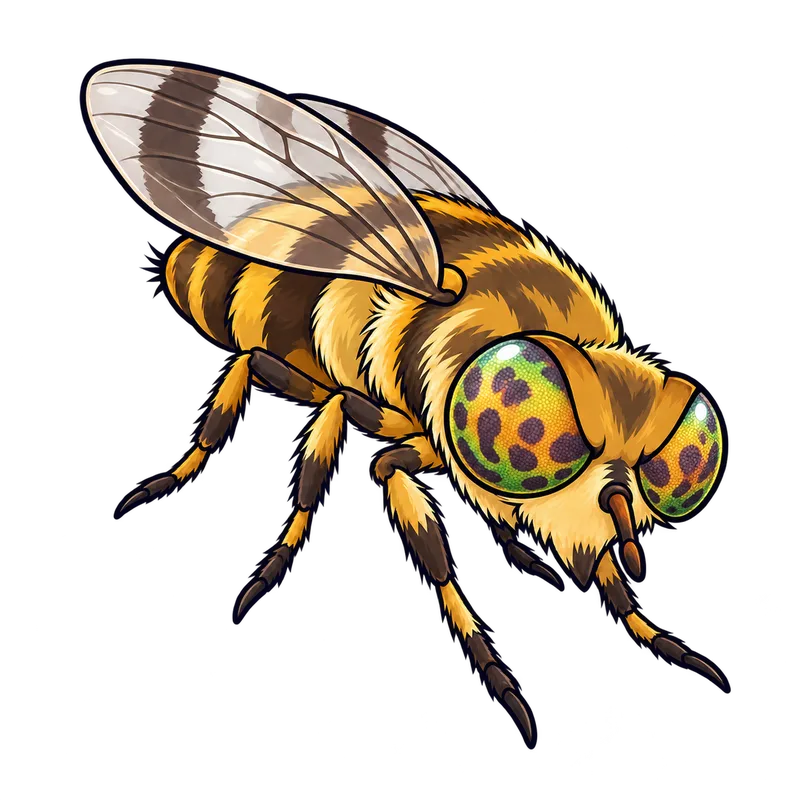
Yes, female deer flies bite with remarkable aggression, using blade-like mouthparts to slash open your skin and lap up the blood. Male deer flies do not bite and are completely harmless. These bites cause an instant sharp pain followed by swelling and itching that can linger for several days.
What is actually going on
Imagine you are walking along a sunny wooded trail near a lake in mid-summer, enjoying the quiet, when a medium-sized fly starts buzzing persistently around your hat. You swipe at it, but it simply loops back, relentless. A moment later, you feel a sudden, sharp pinch at the back of your neck that makes you jump. You slap the spot, leaving a small drop of blood on your hand and an angry red welt that starts burning immediately. You might wonder what just happened, and the answer is simple: yes, deer flies bite, and they do so with remarkable aggression.
Unlike mosquitoes, which use a delicate, needle-like tube to sip blood with a certain stealth, female deer flies approach the task with the subtlety of a pair of garden shears. They belong to a family of insects that practice pool-feeding, meaning their mouthparts are equipped with stout, blade-like mandibles. When a female lands on your skin, she does not pierce a single vessel. Instead, she slashes open the epidermis and tiny capillaries, creating a small pool of blood that she laps up. This cutting action causes instant, sharp pain, which is why you notice a deer fly the absolute second it breaks your skin.
Why do they go to such lengths? It turns out that only female deer flies bite, and they do so out of biological necessity rather than malice. They require the proteins and lipids found in blood to develop their eggs. Male deer flies lack these cutting mouthparts entirely and spend their lives visiting flowers for nectar and pollen, meaning they are completely harmless to humans and pets. If you spot a swarm of flies hovering near treetop canopies just drinking in the sunlight, the males are likely among them, minding their own business.
You might wonder why these bites seem to swell up and itch so persistently compared to other insect punctures. Beyond the physical trauma of the slice, the fly injects salivary secretions into the wound to keep your blood from clotting while it feeds. Your body immediately reacts to these foreign proteins by releasing histamines, which triggers localized heat, swelling, and an intense itch that can linger for several days. Because their feeding style is so disruptive, humans and animals usually swat at them instantly, forcing the fly to abandon the meal and move to a nearby host, which makes them effective mechanical carriers of various pathogens.
Figuring out whether you are dealing with a deer fly usually comes down to size, wing pattern, and where you happen to find yourself. Deer flies measure roughly one-quarter to one-half of an inch in length, making them noticeably smaller than their bulky cousins, the horse flies. If you manage to catch a glimpse of the culprit before it bites, look closely at its wings. They usually feature distinctive dark bands, spots, or mottled patches against a transparent background, resembling tiny stained-glass windows. Their compound eyes are often brilliantly colored with green or purple bands, which adds a striking detail to an otherwise unwelcome visitor.
People often confuse them with ordinary house flies, but that mistake usually ends the exact moment the insect bites. House flies have soft, sponging mouthparts and lack the hardware needed to break human skin. If a gray fly is bothering you indoors, or if something is biting your ankles near the floorboards at night, you are dealing with a stable fly, a mosquito, or a biting midge, not a deer fly. Deer flies are strictly outdoor, daytime pests that prefer warm, sunny weather and avoid dark indoor spaces entirely.
Another common mix-up involves where these insects actually come from. You will not find deer flies breeding in potted plant soil, kitchen drains, or clogged gutters. Their larvae develop in damp mud, wet soil, and decaying organic matter along the edges of natural wetlands, ponds, and slow streams. If your property is bone dry and far from standing water or damp woods, a sudden influx of biting flies usually points to a different culprit, or means you have simply walked too close to their natural wetland habitats.
How to tell for sure
When you find yourself heading out into wooded trails or marshy areas during peak fly season, your best practical decision is to alter your wardrobe before you step out the door. Deer flies locate their targets primarily through visual and chemical cues, seeking out dark moving shapes, body heat, and carbon dioxide plumes. Because dark and tight-fitting fabrics make you an easy target and allow their mouthparts to pierce thin layers, wearing light-colored, loose-fitting long-sleeved shirts and long trousers usually discourages them from landing in the first place. Pairing this clothing choice with an insect repellent registered with the environmental protection agency applied to exposed skin gives you a reliable defense against their relentless attacks.
What usually comes next
Most deer fly bites heal on their own with basic washing and a cold compress, but certain reactions require immediate medical attention. If a bite triggers systemic symptoms of an allergic reaction, such as difficulty breathing, swelling of the lips or throat, widespread hives, or dizziness, you need to seek emergency medical services right away. You should also consult a clinician if a bite site develops signs of a secondary bacterial infection, which typically shows up as spreading redness, increasing warmth, severe throbbing pain, pus, or red streaks radiating outward from the wound.
When to get help
Because deer flies can mechanically transmit pathogens through their interrupted feeding habits, watch for flu-like symptoms such as unexplained high fever, chills, swollen lymph nodes, or persistent skin lesions following outdoor exposure in endemic regions. These signs require formal diagnostic testing from a healthcare professional. Remember that pest species and skin infections cannot be accurately diagnosed from a photograph alone, so a clinician is always your best resource when a bite refuses to heal normally.