
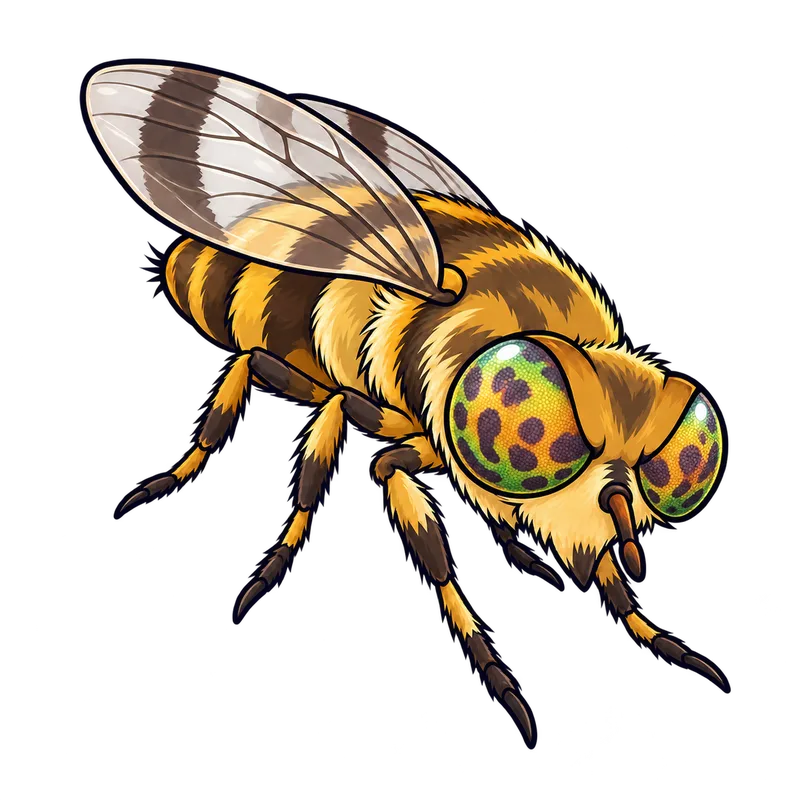
Deer flies
Chrysops species
- Size
- 6 to 12 mm
- Color
- Yellow to black
- Habitat
- Wooded areas, forests, marshes, and wetland margins
- Diet
- Females feed on host blood; males feed on nectar and pollen
- Life cycle
- Complete metamorphosis, larval stage lasting 1 to 3 years
Deer flies are compact, stout insects belonging to the genus Chrysops within the horsefly family. When you spot one hovering near your head on a woodland trail, the most reliable field marks are its wings and eyes. Unlike the clear or uniformly dark wings of typical horse flies, deer fly wings feature distinct dark patches or cross-bands that stretch across the membrane. Their large compound eyes cover most of the head and show brilliant patterns of green or purple stripes or spots. These flies measure 6 to 12 mm in length, making them noticeably smaller than many of their larger cousins in the same family, yet remarkably easy to distinguish once you look for the eye patterns and wing markings at close range.
Habitat & behaviour
You are most likely to encounter adult deer flies during the warmer months of early through late summer, particularly when walking through humid, forested regions, swamplands, or grassy areas near ponds and streams. They are strictly diurnal and exceptionally swift fliers, operating with a persistence that makes them frustratingly difficult to swat away. Females hunt for hosts by tracking carbon dioxide emissions and body temperature during bright, sunny daylight hours. Unlike a mosquito that siphons blood through a fine needle, a female deer fly uses sharp, blade-like mouthparts to slice open the host skin. She injects saliva that keeps blood from clotting, then sponges up the pooled blood. Because this slicing action causes immediate, sharp pain, hosts frequently interrupt them, forcing the females to move from host to host to finish a single meal.
Visual variations
Deer flies grow through four distinct stages of life, moving from egg to larva, pupa, and finally adult, without ever forming colonies or living in social groups. The grown flies show clear differences between the sexes that connect directly to what they eat. Females carry the blade-like mouthparts needed to slice open skin and drink the blood meals that let them mature their eggs. Males have entirely different mouthparts built only for feeding on plant nectar and pollen, which means they never bite humans or animals. Out of sight, the young larval stage looks like a legless, worm-like creature living in wet mud or underwater dirt along stream banks and pond edges. These larvae act as aggressive hunters that track down small water creatures and organic matter for a long stretch lasting 1 to 3 years before crawling up to drier soil to transform into adults that live for 30 to 60 days.
Why it matters
Finding deer flies outside your door points straight to nearby wetland spots, forested swamps, or slow water sources where their hunting larvae grow in the mud. For people and farm animals, their sharp bites bring local swelling, heavy bleeding, and fierce itching, while large swarms can badly harass livestock and cause real drops in production. Since females constantly bounce between different hosts after getting interrupted mid-meal, they can easily carry and spread various germs from one victim to the next. If you run into bad allergic reactions, swelling across a wide area, or signs of a secondary bacterial skin infection from scratching at a bite, talk to a clinician or visit an urgent care center promptly. Dealing with these pests relies on personal defense like wearing hats and long sleeves instead of chemical sprays, because adult deer flies refuse to stay still long enough for contact poisons to do much good, and local wetlands enjoy strict legal protections that ban unauthorized draining or messing with natural waterways.
Similar species
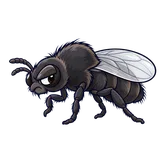 Black fliesFamily Simuliidae
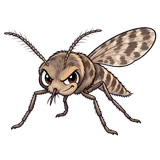 Biting midges / no-see-umsFamily Ceratopogonidae
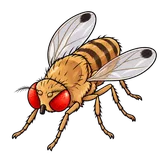 Spotted wing drosophilaDrosophila suzukii
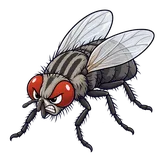 House flyMusca domestica
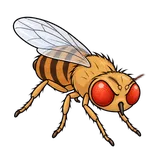 Fruit fliesFamily Drosophilidae
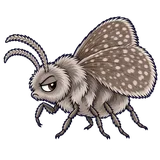 Drain fliesFamily Psychodidae