
What do no-see-um bites look like?
No-see-um bites initially look like a faint dot resembling a speck of coarse black pepper before transforming into a raised, angry red bump or welt that can range from a tiny speck to several centimeters wide. The appearance depends on your immune response, and the center may form a tiny clear blister.
What is actually going on
You are sitting on a screened porch just as the sun dips below the tree line, enjoying a quiet evening breeze. Suddenly, you feel a sharp, burning pinch on your wrist. You look down, half expecting to swat a mosquito, but you see nothing except a faint dot that looks like a speck of coarse black pepper. By morning, however, that tiny dot has transformed into a raised, angry red bump that itches with a vengeance.
What you experienced was an encounter with biting midges, often called punkies or no-see-ums. These microscopic flies are so small that they routinely slip right through standard window screens, measuring a mere fraction of an inch. When they bite, they do not slide a delicate needle into a blood vessel the way mosquitoes do. Instead, they possess tiny, bladelike mouthparts that slash the skin to pool blood at the surface, injecting a cocktail of proteins and anticoagulants that keeps the meal flowing.
That cocktail is the real culprit behind what you see on your skin. Your body recognizes those foreign proteins as an intrusion and mounts an immune response, flooding the tissue with histamines. Within a few hours of the bite, that reaction turns the initial microscopic puncture into a firm, red papule or welt. Depending on how your immune system responds, the bump can range from a tiny red speck to a swollen, inflamed welt several centimeters wide.
In some cases, the center of the bite may even form a tiny clear blister that can weep or crust over. The intense itching usually peaks within a day or two and can stubbornly linger for over a week. If you are a newcomer to an area where these midges thrive, your reaction is likely to be dramatic and severe, whereas long-term residents often build up a natural tolerance and barely react at all.
It is tempting to snap a quick photo of your skin and search online to figure out what bit you, but dermatologists and entomologists will tell you that a visual inspection of a bite alone can never yield a confirmed identification. Skin reactions are entirely about your own body chemistry and immune response, meaning a no-see-um welt can look almost identical to a mosquito bite, a flea bite, or even a reaction to a stray plant.
Instead of staring at the bump, you usually have to look at the surrounding clues to figure out the culprit. No-see-ums are most active during dawn and dusk, or on calm, humid, overcast days when the wind dies down. If you were sitting near a coastal salt marsh, an estuary, wet mud, or damp organic soil when the bites happened, you have strong circumstantial evidence.
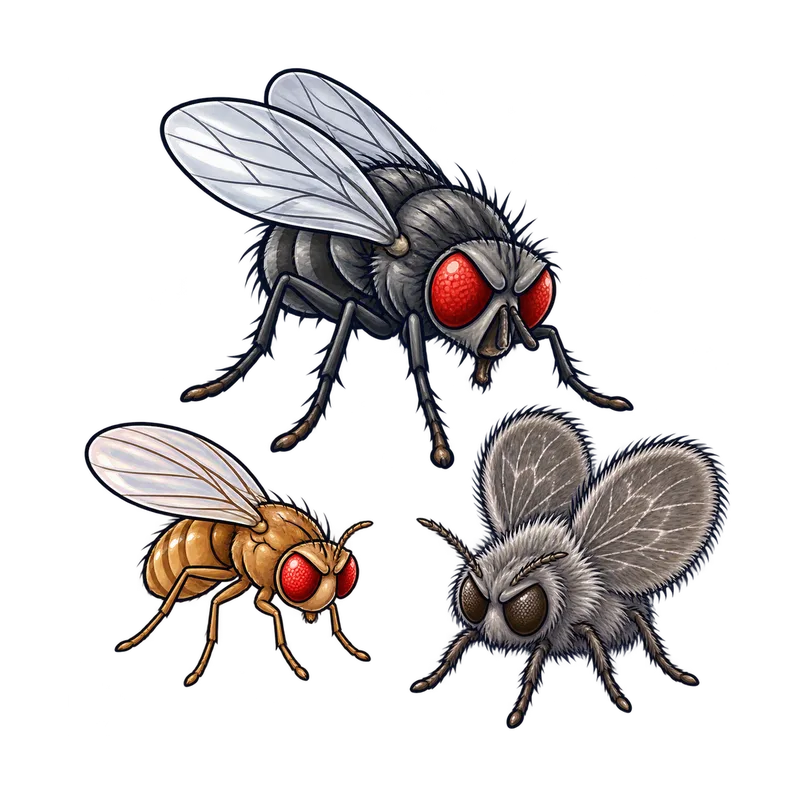
Physical size is another major giveaway if you manage to catch a glimpse of the pest. Adult no-see-ums are stocky, dark little flies with a distinct arched thorax that gives them a humpbacked appearance. They usually measure between one-thirty-second and one-sixteenth of an inch, and they hold their patterned wings flat over their abdomen when resting.
If you want to be completely certain, you would need to examine the insect under magnification, looking at wing venation or microscopic structures. For most practical purposes, though, combining the time of day, your geographic location, and the presence of tiny, biting specks that slip through standard screens is enough to point the finger at biting midges.
How to tell for sure
When an outbreak leaves you covered in bumps, your main choice boils down to soothing the skin at home or upgrading your defenses because too many bugs are getting inside. If the itching is driving you crazy, the smartest move is to treat the reaction while fighting the urge to scratch, since torn skin easily picks up secondary bacterial infections.
Wash the spot with soap and water, slap on a cold compress to bring down the swelling, and reach for over-the-counter anti-itch creams or oral antihistamines to calm the histamine flare. Keeping your fingernails clipped short is a basic insurance policy against breaking the skin when the itching wakes you up at night.
If you keep waking up with fresh bites indoors even with the windows closed, your focus needs to shift toward better physical exclusion. Since these flies measure under three millimeters, they wander right through standard sixteen-mesh window screens like they are not even there. Swapping those standard screens for fine mesh is the only way to keep them out of your living space.
What usually comes next
Most bite reactions fade away on their own with some basic first aid, but certain symptoms cross a line and demand outside medical attention. If you spot warning signs of a secondary bacterial infection, such as expanding warmth around the bite, growing pain, yellow pus, red streaks crawling away from the mark, or a fever, you should talk to a primary care clinician or an urgent care provider.
While rare compared to the drama of a wasp sting, any sign of a severe systemic allergic reaction, including widespread hives, swelling of the lips, tongue, or throat, dizziness, or trouble breathing, requires an immediate emergency medical evaluation by calling local emergency services.
If you suspect you came into contact with hazardous chemicals while trying to spray an outdoor area yourself, or if a child or a pet swallowed a repellent, call your regional poison control center without delay.
When to get help
When fine-mesh screens and basic cleanup still leave your home overrun by high numbers of these pests, bringing in a licensed pest management professional makes complete sense. They can look over the outdoor bushes where the adults rest and apply targeted, labeled barrier treatments to drop the pressure around your house. Professional help keeps everything strictly compliant with local regulations and product labels, protecting your household while taking care of the breeding grounds outside.