
Why are there fruit flies in the bathroom?
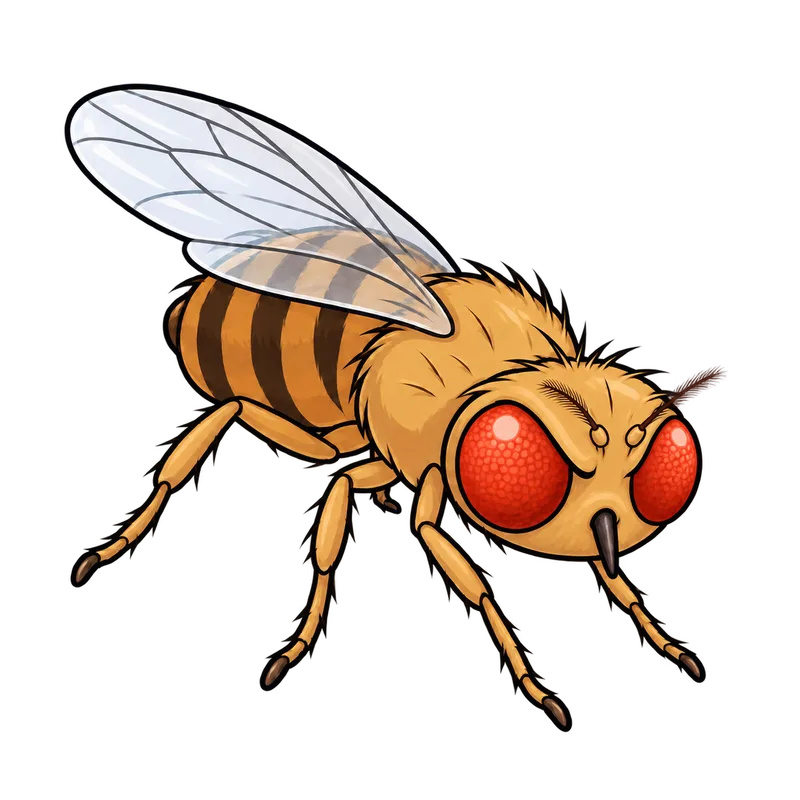
True fruit flies or other small insects like drain flies appear in the bathroom because the room is damp, enclosed, and full of hidden organic matter. The reason depends on the exact insect, such as drain flies breeding in the slimy biofilm lining plumbing pipes, or true fruit flies feeding on fermenting waste in a trash can.
What is actually going on
You walk into the half bath down the hall to wash your hands, and a cloud of tiny insects lifts off the porcelain sink or hovers near the mirror. Naturally, you call them fruit flies. They are small, they hover, and they seem to have appeared out of thin air. But are they actually fruit flies, and why are they hanging out in the bathroom instead of hovering over the fruit bowl in the kitchen?
More often than not, those tiny pests are not true fruit flies at all. Bathrooms are damp, enclosed, and full of hidden organic matter, making them prime real estate for several different families of small flies. While true fruit flies do show up if there is an unrinsed soda can in the wastebasket or a damp, forgotten towel in the corner, your bathroom invaders are usually drain flies, phorid flies, or fungus gnats.
The confusion happens because all of these insects share a tiny body size of roughly 1.5 to 5 millimeters. To the naked eye, a tiny bug is just a tiny bug. But their origins inside a bathroom are entirely different. Some breed in the slimy film lining your plumbing pipes, others thrive in overwatered houseplant soil, and a few are travelers from deeper within your home drainage infrastructure.
Small flies in a residential bathroom are frequently misdiagnosed because they all look like specks of dust with wings. True fruit flies or vinegar flies feed and reproduce on fermenting organic matter, such as discarded fruit waste or unrinsed beverage containers tossed into a bathroom wastebasket. But true fruit flies share the space with other insects that have completely different life cycles.
Drain flies, sometimes called moth flies or sewage gnats, do not care about your trash can. Their semi-aquatic larvae live inside the gelatinous microbial biofilm, which is a complex, slimy matrix of bacteria, fungi, algae, and soap scum that coats the interior walls of sink, shower, and bathtub drain pipes. Phorid flies, or scuttle flies, breed in decaying organic matter and sewage scum. They are attracted to dirty garbage cans, organic sludge, or even sewage leaking from compromised pipes beneath floors.
A critical plumbing mechanism explaining sudden bathroom fly appearances is trap evaporation. In guest bathrooms or infrequently used fixtures, the water seal inside the curved pipe beneath the fixture dries up. This breaks the physical barrier between your living space and the sewer system, allowing adult flies developing further down the main line to fly directly up through the drain opening into the room.
How to tell for sure
You do not need a laboratory to figure out what you are looking at, though a close look at how the insect moves usually tells you everything you need to know. Try watching them for a few seconds before you reach for a paper towel.
If the insect runs rapidly across the counter or mirror in jerky, frantic little spurts rather than taking flight immediately, you are usually dealing with a phorid fly. These small, dark insects have an arched thorax that gives them a distinct humpbacked appearance.
If the insect is fuzzy, dark gray, and holds its leaf-shaped wings roof-like over its body, you are usually looking at a drain fly. They are weak fliers that tend to make short, hopping flights rather than long, sustained journeys across the room.
If the fly is slender with long, thin legs and hovers mostly around the soil of a potted fern or peace lily, you usually have a fungus gnat on your hands. These pests breed strictly in overwatered potting soil and have nothing to do with your plumbing. True fruit flies, meanwhile, have a tan body and bright red eyes, and they usually show up only when there is actual fermenting organic residue nearby.
What usually comes next
Before you spend a single dollar on traps or sprays, your main practical decision is to find out exactly where these bugs are coming from. Treating the air with an aerosol spray is a waste of time because it only kills the adults currently flying around, leaving the hidden breeding source untouched.
The most reliable way to find the source is the clear tape test. Take a strip of clear packing tape and place it sticky-side down over your suspect drain openings overnight, leaving enough room at the edges for air to pass. If you wake up in the morning and find tiny flies stuck to the underside of the tape, you have located an active breeding drain.
Once you confirm the drain is the culprit, resist the urge to pour boiling water or household bleach down the pipe. Those liquids rush right down the center, leaving the thick, slimy biofilm shield intact and protecting the larvae below. Your next move is physical and mechanical. You need to take off the drain cover, scrub the interior walls of pipe with a stiff-bristled brush to break up that gelatinous scum, and follow up with a specialized microbial or enzymatic cleaner that digests the remaining organic film. If you have an infrequently used guest bathroom, remember that running the tap once a week usually prevents the water seal in the trap from evaporating.
When to get help
Most bathroom fly issues can be resolved with thorough cleaning, but certain situations require outside help. If you have scrubbed your drains, applied enzymatic cleaners, and maintained your plumbing traps, but the phorid flies keep coming back in heavy numbers, you may have a broken sewer line or a sewage leak underneath your concrete slab foundation. That is structural damage that requires a licensed plumber to inspect and repair.
If you are dealing with a persistent infestation that refuses to respond to basic sanitation and mechanical cleaning, a licensed pest control operator can apply specialized treatments safely. On the health side, because filth-breeding flies can mechanically carry bacteria like Escherichia coli and Salmonella from drains to toothbrushes or towels, keep bathroom counters and hygiene items properly covered. If anyone in the household suffers an accidental ingestion of fly larvae or develops a severe skin or allergic reaction, consult a qualified clinician or seek medical care immediately. For any accidental pesticide exposure, reach out to poison control without delay.