
Drain flies vs fruit flies: how can you tell?
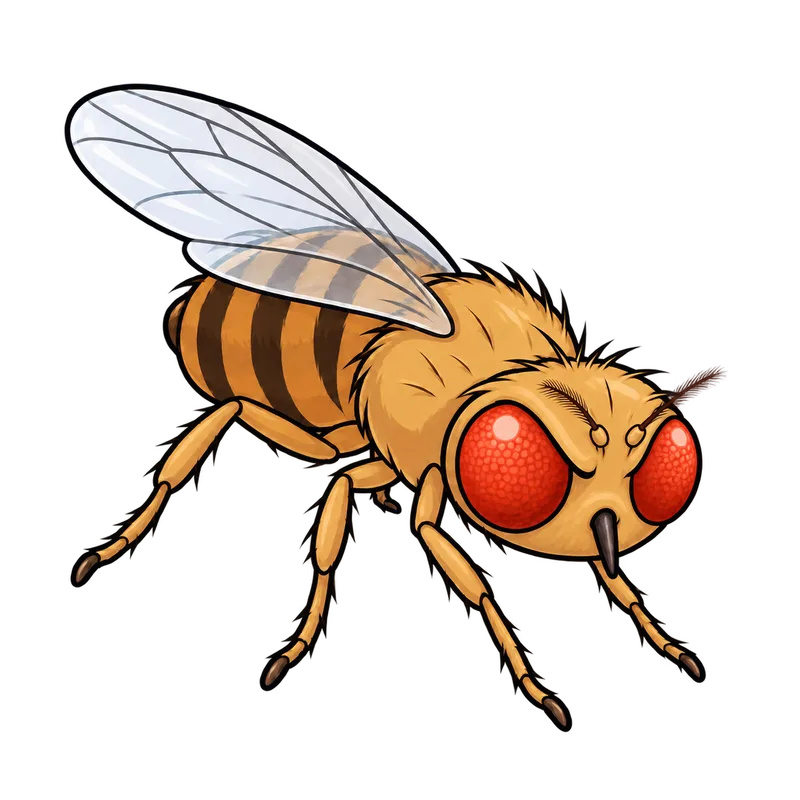
Drain flies look fuzzy and moth-like, holding their wings in a triangular shape, and they hang out near plumbing pipes. Fruit flies look sleek and smooth with prominent bright red eyes, and they congregate around fermenting produce, wine glasses, or unwashed recycling bins.
What is actually going on
You walk into the kitchen on a quiet Tuesday morning, reach for the coffee mug, and notice a small cloud of tiny insects hovering right over the fruit bowl. Or maybe you lean over the bathroom sink to brush your teeth and spot a few fuzzy little specks clinging to the porcelain tile, barely moving even when you turn on the faucet. Your first instinct is probably to lump them all together as annoying little gnats. But before you grab a rolled-up magazine, it helps to know what you are actually looking at because those kitchen pests and bathroom visitors have completely different habits.
The short answer is that drain flies look fuzzy and moth-like, and they hang out near plumbing fixtures because their young feed on the slimy buildup inside unscrubbed pipes. Fruit flies, on the other hand, look sleek and smooth, usually sport bright red eyes, and congregate around fermenting produce, wine glasses, or unwashed recycling bins. They belong to completely different insect families, and treating them the wrong way means wasting time on a fix that will not work.
A fruit fly is built for agility. It is a tiny, tan or yellowish-brown flyer that darts through the air with purpose, especially when there is sugar or yeast around. A drain fly is a weak, reluctant flier that prefers to hop or scuttle a few inches at a time, looking more like a miniature furry moth than a typical housefly. If you try to crush one on a piece of paper, a drain fly leaves behind a dark, powdery smudge made of microscopic hair scales, whereas a fruit fly leaves a moist spot.
Understanding which insect has invaded your space changes everything about how you deal with it. Treating a kitchen fruit fly problem by scrubbing your shower drain is a waste of a Saturday morning. Likewise, setting out apple cider vinegar traps will completely ignore the biofilm clogging your bathroom plumbing where drain flies hatch.
Telling these two pests apart comes down to a few distinct physical traits and behaviors you can spot without any fancy equipment. Start by looking at the silhouette when the insect is resting. Drain flies usually sit with their wings folded roof-like over their bodies, creating a triangular, fuzzy outline that resembles a tiny moth. Fruit flies usually hold their clear wings flat over their backs, revealing a slender, tan body with dark transverse bands across the abdomen.
Next, check the head and eyes if you can get close enough. Common fruit flies usually feature prominent, bulging bright red eyes, though dark-eyed variations do exist in certain damp indoor spots. Drain flies have dark, indistinct heads covered in soft hair, and their wings feature unique parallel veins without cross-veins. If you tap the surface near them, drain flies usually take short, clumsy hops, while fruit flies take off smoothly and hover in the air.
Location also offers a strong clue, though it is not an absolute rule. If the insects are swarming around an overripe banana, a damp mop head, a dirty recycling bin, or a glass of beer left on the counter, they are almost certainly fruit flies. If they are clustered around the rim of a sink drain, the inside of a shower stall, or sitting quietly on a bathroom wall, they are usually drain flies.
One common confusion involves other look-alikes that tend to share our homes. Phorid flies, or scuttle flies, look somewhat like fruit flies but have a humped thorax and tend to run across surfaces in jerky, sprinting bursts rather than flying away immediately. Fungus gnats are slender, long-legged black insects that hover around potted houseplants, feeding on damp soil fungi rather than fruit or drain slime. If you misidentify the pest, your control efforts will miss the mark entirely.
How to tell for sure
Once you have pinned down what you are dealing with, your smartest move is tracking down the actual breeding site instead of playing a losing game of swatting adults. If fruit flies are your problem, your attention belongs entirely on the fruit bowl, the pantry shelves, and the recycling bin. Storing ripe produce in the fridge, tossing out old scraps right away, and rinsing sticky soda cans before they go into the bin will usually starve them out and make the whole cloud disappear in a few days.
If you are dealing with drain flies instead, misting a quick-kill spray into the air gives you maybe a few hours of quiet before more adults hatch out of the plumbing. You have to go after that jelly-like film of microbes coating the inside of your pipes, which is where the larvae hang out and eat. Pouring a pot of boiling water down the sink or splashing in household bleach generally does not work because the liquid just shoots right down the middle without cutting through the sticky slime.
Your best opening move is actually a bit of physical cleaning. Grab a long, stiff-bristled brush made for pipes and scrub the inside walls of the drain opening and the U-bend underneath, scraping away the scum where the larvae live. Follow that up with a thorough flush of hot water to wash the loosened gudge away. Getting down to the root of the breeding ground instead of swinging a swatter at every bug is the only way to clear them out for good.
What usually comes next
Most small fly problems clear up with simple cleaning and pipe scrubbing, but certain stubborn cases mean you need outside help. If you have scrubbed your bathroom and kitchen plumbing over and over, used special drain cleaners made to eat slime, and still find drain flies hatching every morning, the problem might be structural. Persistent bugs can point to a broken, cracked, or loose pipe hidden behind a wall or under a concrete floor, letting organic gunk build up completely out of reach. That sort of headache calls for a licensed plumber with a tiny inspection camera or a pest professional to track down the break.
In places like restaurants, commercial kitchens, or medical facilities, finding flies is way more than an ordinary annoyance. Health inspectors treat fruit flies and scuttle flies as serious sanitation failures because these insects carry nasty bacteria from garbage onto clean plates and food prep counters. Phorid flies in clinics or hospitals are an even bigger worry around sterile gear and medical procedures, which means businesses have to call in commercial pest control right away.
When to get help
Finally, if someone at home gets sick with stomach trouble after eating food that bugs got into, or if someone with sensitive lungs has severe asthma attacks from breathing in the tiny dust made by heaps of dead drain flies, talk to a doctor. For tricky plumbing breaks or commercial health code headaches, handing the job over to a licensed professional keeps everyone safe and solves the root cause.