
Where do fruit flies come from?
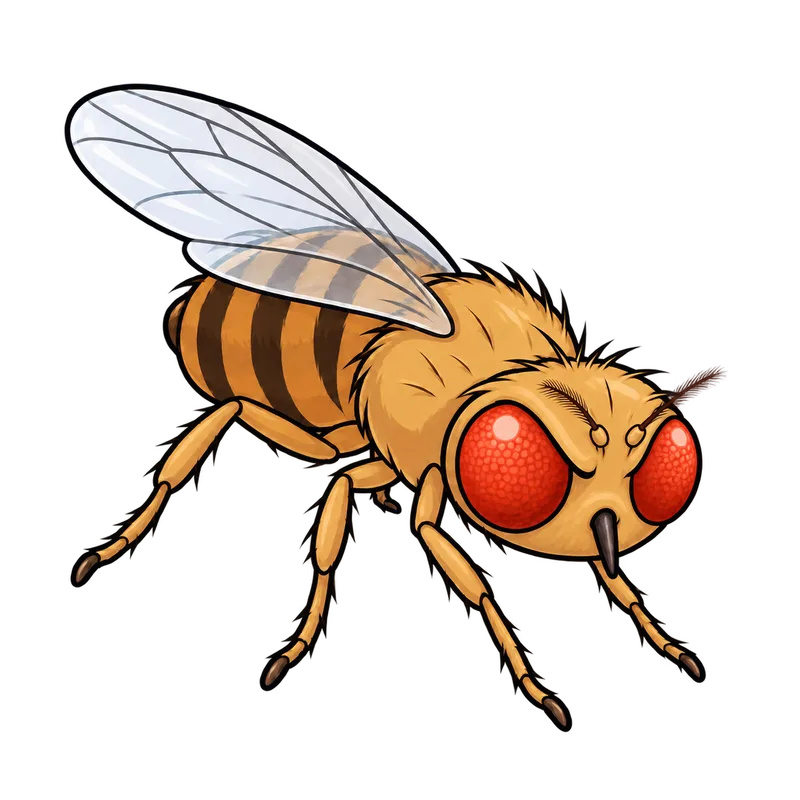
Indoor fruit fly populations originate from microscopic eggs brought inside on store-bought or garden-harvested produce, or from adult flies measuring 1.5 to 3 mm that enter buildings through unsealed gaps and window screens. These insects are also attracted to fermenting sweetness from the outdoors, such as unrinsed beverage containers and damp trash liners.
What is actually going on
You walk into the kitchen on a quiet Tuesday morning, pour yourself a fresh cup of coffee, and notice a small cloud of tiny insects hovering over the fruit bowl like an uninvited welcoming committee. You could swear those bananas were bought just yesterday, so where on earth did this sudden swarm come from? Indoor infestations usually start in one of two ways. Either microscopic eggs hitched a ride right into your kitchen on store-bought or garden-harvested produce, or adult flies caught the scent of fermenting sweetness from the outdoors and slipped right past your defenses. They do not magically generate out of thin air, no matter how much we might joke about spontaneous combustion in rotting fruit. Those tiny visitors are driven by an impressive evolutionary radar. A single female can lay hundreds of eggs on a piece of overripe fruit or in a damp recycling bin. In a warm kitchen, those eggs hatch, feed, and turn into fully grown adults in less than ten days. That explains why a couple of stray bugs on Monday can look like a full-blown family reunion by the weekend. People often assume that closing the windows keeps everything out, but standard window screens usually fail against fruit flies because the mesh openings are simply too wide for insects measuring only a millimeter or two across.
Indoor fruit fly populations originate from eggs and larvae brought inside on produce or from adult flies breeding outdoors in fermenting organic matter that enter buildings through unsealed gaps and window screens. These insects belong to a group of species that thrive around human habitats because they have short generation cycles and immense reproductive output. A bowl of room temperature bananas or farm stand tomatoes acts like a Trojan Horse. The fruit looks quiet on the counter, but it often carries invisible eggs laid earlier in the supply chain. Once these items sit in a warm indoor environment, the eggs hatch into tiny legless maggots that feed on yeast and fermenting plant tissues. Beyond the fruit bowl, unrinsed beverage containers like beer, wine, or soda bottles and damp trash liners serve as vehicles for emerging adults. Adult fruit flies are minute, measuring only 1.5 to 3 mm, which allows them to pass right through standard insect window screening just like a small pebble thrown through a wide chain link fence. Once inside, a single female can deposit up to 500 eggs onto any damp, fermenting organic substrate, turning a minor introduction into a severe indoor population explosion within two weeks.
How to tell for sure
Common fruit flies usually sport bright red eyes, a tan thorax, and a striped belly, measuring roughly one-sixteenth to one-eighth of an inch long. When you wave your hand at them, they typically take off floating into the air like a tiny hot-air balloon. If your tiny visitors look a bit different, you might be dealing with an entirely different insect. Phorid flies have dark eyes, a distinct humpbacked look, and scuttle across your countertops in jerky, frantic sprints rather than taking flight right away. Drain flies look like tiny, fuzzy moths with broad, leaf-shaped wings. Fungus gnats usually hover weakly around overwatered potted plants. Knowing the difference stops you from wasting time scrubbing fruit bowls when the insects are actually coming from a damp houseplant or a broken pipe. Standard window screens do not stop common fruit flies because the physical gap between screen wires is wider than the tiny body width of the pest. If you are finding small flies emerging from fresh, undamaged berries picked straight from your garden patch, you might be looking at Spotted Wing Drosophila, an agricultural pest whose females use a saw-toothed ovipositor to cut into ripening fruit while it is still hanging on the plant.
What usually comes next
The most practical step you can take right now involves tracking down the breeding source rather than grabbing a can of bug spray. Aerosol space sprays only kill the adults currently flying through the air, leaving the eggs and larvae tucked safely inside your produce or trash cans to hatch tomorrow. Toss out, refrigerate, or eat any overripe produce sitting out in the open. Give your indoor trash cans and recycling bins a thorough wash with warm soapy water to get rid of the sticky organic film hiding at the bottom. If you want to catch the remaining adults lingering in the kitchen, a simple homemade trap works wonders. Pour a couple of inches of apple cider vinegar into a clear plastic cup, and stir in just one drop of unscented dish soap. The vinegar lures them in with its sweet, fermented scent, and the soap breaks the surface tension, acting just like a broken trampoline so the flies sink and drown instead of walking away. Pouring bleach or boiling water down a drain will not eliminate fruit flies or drain flies, because those liquids simply slide over the dense, rubbery gelatinous biofilm where larvae live. Physical scrubbing with a stiff pipe brush or applying enzymatic microbial cleaners is usually required to digest that slime layer.
When to get help
Most fruit fly problems clear up nicely once you scrub the kitchen, manage your trash, and remove any forgotten fruit. There are times, however, when DIY efforts simply hit a brick wall. If you keep your kitchen spotless, store all your food in airtight containers, and still find yourself swatting away swarms of small flies day after day, you are usually dealing with phorid flies or drain flies breeding deep inside a broken sewer pipe, a leaking shower pan, or cracked drainage lines beneath a concrete floor slab. When an infestation persists despite rigorous sanitation, call in a professional pest control operator and a licensed plumber to inspect your hidden plumbing and perform diagnostic camera checks. For commercial kitchens, restaurants, bars, or health facilities, pest presence can lead straight to public health code violations and facility shutdowns, requiring commercial pest management and licensed treatments that comply strictly with local regulations. If anyone experiences unusual bites, severe allergic reactions, or illness symptoms related to pest exposures or contaminated food, consult a qualified clinician or poison control center immediately.