
When is isolating an infested houseplant useful?
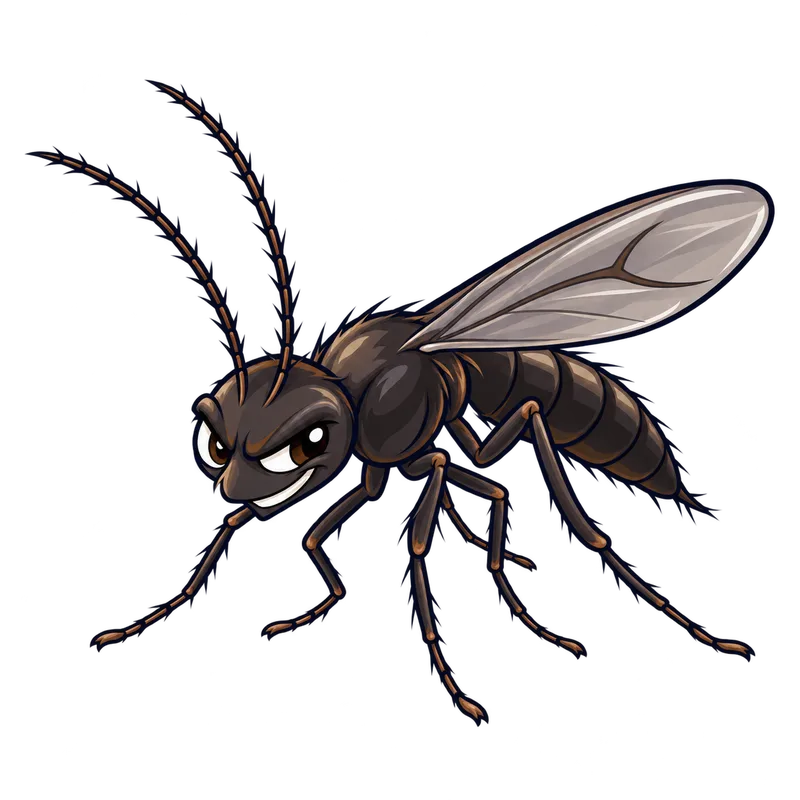
Isolating an infested houseplant is useful because it acts as a containment ward to stop active pests from spreading to your healthy collection. It depends on whether you are practicing preventive intake quarantine for a few weeks or using therapeutic isolation at the first sign of trouble.
What is actually going on
Imagine walking out of a plant shop with a handsome fern, placing it right beside your favorite parlor palm on the living room bookshelf, and waking up a fortnight later to find fine silk webbing strung tightly across both canopies. Isolating an infested houseplant is useful because it acts as an intake waiting room or a therapeutic containment ward, stopping active pests from bridging the gap to your healthy collection. In typical indoor spaces, natural dispersal barriers are completely absent. Microclimates often favor rapid insect reproduction, meaning close canopy proximity lets arthropods and pathogens spread across host plants via direct leaf contact, localized crawling, short-distance flight, or even ordinary indoor air currents.
Technical biosecurity breaks this down into two distinct actions. Preventive intake quarantine keeps new seedlings, cuttings, or nursery acquisitions in a separate spot for a few weeks. This monitoring window covers latent egg-hatching cycles and the cryptic developmental stages of soft-bodied pests before the plant joins the general living area. Therapeutic containment isolation, on the other hand, means immediately segregating an established plant at the very first sign of trouble. Isolating that single affected individual stops cross-contamination, allows targeted foliar washing without exposing healthy foliage nearby, and protects beneficial insects if you use them.
Why not just treat every plant on the shelf at the same time and skip the fuss? Because blanketing an entire indoor plant collection with soaps or oils is messy, tedious, and often unnecessary. Isolating the problem focuses your effort where it belongs. It gives you a controlled workspace to wash foliage, run diagnostics, and apply treatments without risking chemical damage or pest migration across the whole room.
How to tell for sure
Before you haul a plant into exile, you need to know what you are looking at. Identification always comes first, and a quick glance with the naked eye usually misses the early stages of an outbreak.
Two-spotted spider mites leave pale yellow to greenish bodies with two dark lateral spots. Their feeding creates fine yellow stippling and silky webbing underneath the leaves, and you can usually spot them with a handheld magnifying lens. Thrips are slender adults measuring just over a millimeter long, leaving behind silvery leaf blotches and tiny black fecal spots. Mealybugs form white, waxy, cottony clusters in leaf axils and stem joints, which you can often see without magnification, though you will want a lens to check for tiny active crawlers. Scale insects look like small oval bumps along stems and veins, while whiteflies are tiny moth-like insects that flutter off leaves when disturbed.
Cyclamen mites are a different story altogether. They cause stunted, crinkled new growth and browning in the plant crowns, but they are usually not visible to the naked eye. You generally need high magnification to spot them tucked away in leaf crevices. Fungus gnats usually show up as small black flies crawling on the soil surface or flying weakly near pots, with larvae feeding on organic media down below.
Remember that moving and handling an uncontained, heavily infested plant through a room of healthy greenery tends to dislodge pests into the air currents or onto your clothing, which actually expands the outbreak. Always enclose the foliage or move it with care.
What usually comes next
Once you have identified the critter and carried the pot off to a spare room, a clear plastic tent, or a lonely bench, you need a steady routine to handle it safely. Take the isolated plant over to the kitchen sink and rinse the stems and every square inch of leaf surface with a gentle stream of tepid water. This washes away adult mites, aphids, and thrips mechanically. For stubborn freeloaders like mealybugs and scale, wipe the leaves down with a soft cloth dipped in mild soapy water or pick them off one by one using a cotton swab soaked in rubbing alcohol.
After giving the plant a thorough bath, clean the isolation tray, nearby shelves, and surrounding countertops with rubbing alcohol or a mild bleach solution to catch any stragglers. Hang yellow sticky cards right above the leaves if you are battling flying insects like fungus gnats or whiteflies. If you decide to use contact treatments such as insecticidal soap or horticultural oils, make sure you coat every leaf underside and stem crevice completely.
When is it safe to bring the plant back into the fold? Check the isolated plant every few days for two to three weeks straight using your magnifying lens. You can usually return it to the main collection only when you find zero live pests, eggs, or fresh damage across a full inspection window. For severe infestations or badly damaged plant parts that are beyond saving, seal the material tightly in plastic bags before throwing it out. You can also toss discarded plant waste or pest specimens into the freezer for at least forty-eight hours to ensure everything is dead before it hits the trash bin.
When to get help
There are times when home isolation and DIY treatments fall short, or when safety rules mean you need to put down the spray bottle. If you stumble upon an unusual, invasive, or regulated plant pest during your initial check, local biosecurity rules often require you to report it to agricultural authorities, such as your state department of agriculture.
As for chemical treatments, the product label is the law. Never push the application rates higher than written, mix chemicals that do not belong together, or spray pesticides indoors unless houseplants are specifically named on the container. Blasting synthetic insecticides inside poorly ventilated rooms creates real exposure and breathing risks. Always pull on gloves and eye protection while mixing and applying, and keep kids and pets away from the greenery until every drop has dried completely.
If someone accidentally swallows a chemical or suffers severe exposure, call your local poison control center or get medical help right away. Some treatments are also intensely toxic to household pets like cats and to aquatic life. If an infestation has already overrun an entire room or if you are fighting stubborn soil-borne diseases that ignore basic care, reach out to a professional horticultural service or your local extension office for proper advice.