
Are “sand flies” the same species in New Zealand and North America?
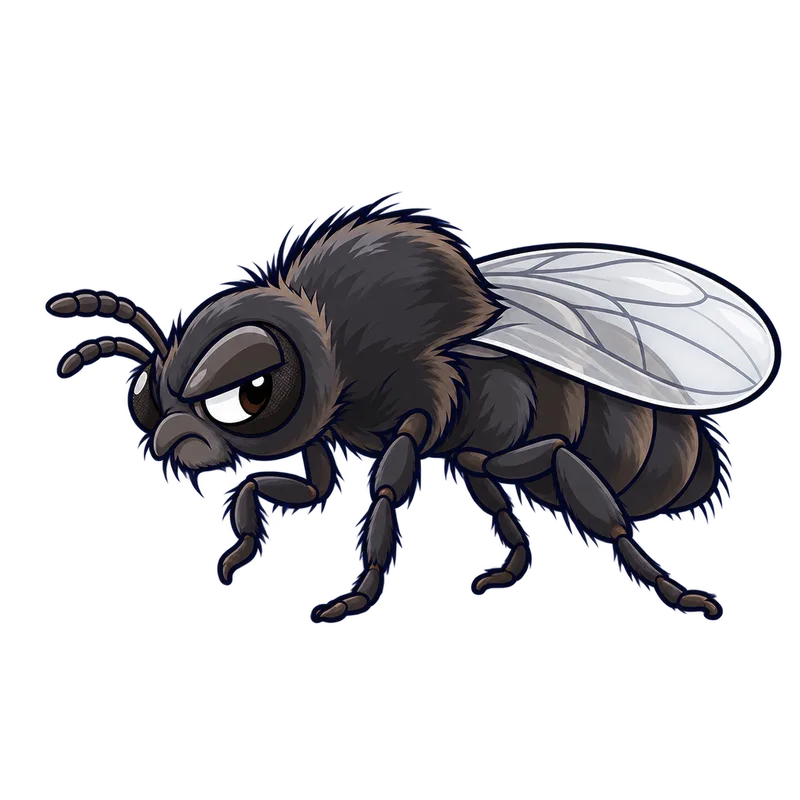
Sand flies in New Zealand and North America are not the same species at all, and they do not even belong to the same biological families. The name is just a shared nickname that different regions give to entirely different insects.
What is actually going on
Picture yourself standing on a pristine beach in New Zealand or sitting on a porch in North America, enjoying a quiet evening, when you suddenly feel a prickling sensation. You brush at your arms, assuming it is just dust or lint, only to realize you are being swarmed by tiny, biting specks. It feels like someone gently shook a shaker of coarsely ground black pepper across your skin, and every speck has decided to bite. People almost everywhere use the name sand fly for these annoying pests, which makes it easy to assume they are the exact same creature no matter where you travel.
As it turns out, sand flies in North America and New Zealand are not the same species at all. In fact, they do not even belong to the same biological families. The name is just a shared, sloppy nickname that different regions give to entirely different insects based on where they live and how they annoy us.
In North America, what scientists call a true sand fly belongs to a delicate, hairy group of insects called moth flies, specifically a group known as Lutzomyia. But North Americans also use the same name for biting midges, those tiny creatures often called no-see-ums. If you cross the globe down to New Zealand and Australia, the local insects that answer to the name sand fly are something else entirely. Down under, your attackers are usually indigenous black flies or tiny biting midges from entirely different insect families.
You might wonder why people in completely different hemispheres ended up using the exact same name for totally unrelated bugs. Common names reflect local habits and cultural shorthand rather than science. If an insect is tiny, lives near sandy or damp places, and draws blood, people will call it a sand fly. Nature cared about biology, while humans just wanted a handy word for whatever was biting their ankles.
How to tell for sure
Telling these insects apart usually comes down to looking closely at their size, posture, and where you encounter them. Because they are so small, getting a positive identification usually requires a ten times hand lens and a bit of patience.
True sand flies in North America are delicate and look like tiny, hairy moths. When they land, they usually hold their wings erect in a distinct V-shape over their bodies. They are weak fliers, often moving in short, hopping bursts rather than zooming around your head. Biting midges are even smaller, looking like tiny dust specks measuring between one and three millimeters across. When a midge lands, it folds its wings flat over its abdomen. Black flies are larger and stockier, usually featuring a strongly humped thorax that gives them a hunchbacked appearance, and they tend to swarm around your face during the daylight hours near running water.
You can also rely on your environment to help narrow it down. If you are being bitten along a river or fjord in New Zealand during the day, you are usually dealing with black flies or tiny midges. If you are sitting outside at twilight near damp organic soil in the American South, you might be dealing with biting midges or true sand flies.
One common misconception is that standard window fly screens will keep all of these biting pests out of your house. Trying to stop a tiny biting midge or sand fly with a standard window screen is a lot like trying to catch fine beach sand with a chain-link fence. Because their bodies are often only one to three millimeters wide, they simply crawl right through the standard mesh gaps. If you live in an area plagued by these insects, you usually need specialized fine mesh, often sold as no-see-um mesh, to keep them outside.
What usually comes next
Once you accept that you are dealing with tiny, aggressive biters, your next move usually involves figuring out how to keep them off your skin without turning your evening into a chemical experiment.
Personal protection usually starts with your wardrobe. Wearing long-sleeved shirts, long pants, socks, and shoes made of tightly woven, light-colored fabric cuts down on exposed skin during their peak feeding hours, which usually happen around twilight and dusk. When you need to use an insect repellent, look for registered products containing ingredients like DEET or picaridin, and apply them strictly according to the product label. Natural botanical repellents might smell better, but they generally require much more frequent reapplication to do any good.
If you are trying to protect young children, remember that you should not apply DEET or picaridin to infants under twelve months of age. For babies, stick to protective clothing and cover strollers or carriers with fine mesh netting instead. For children older than a year, mild formulations of up to ten percent DEET or picaridin are generally considered appropriate.
Indoors and on covered patios, running ceiling fans or portable air circulators can make a surprising difference. These tiny flies are notoriously weak fliers, and a strong artificial breeze makes it nearly impossible for them to land and bite. If you do end up with a cluster of itchy bites, applying an ice pack or a cold compress helps calm the local swelling, while over-the-counter anti-itch lotions or oral antihistamines can manage the discomfort. Avoid scratching the skin, as breaking the surface invites secondary bacterial infections.
When to get help
While most bites from these tiny insects result in nothing worse than temporary annoyance and itching, there are times when you need to step back and let professionals handle the situation.
Do not attempt to diagnose skin lesions or severe reactions on your own. If a bite site begins showing signs of a secondary bacterial infection, such as pus, spreading redness, or increasing warmth, or if you or someone else experiences systemic allergic symptoms like difficulty breathing, dizziness, or swelling around the face and eyes, seek medical attention immediately.
If you are traveling or living in certain endemic regions, such as parts of South-Central Texas or the Mediterranean, phlebotomine sand flies can vector serious protozoan parasites. Pets in these areas that develop non-healing skin sores, unexplained hair loss, or unusual lethargy should be evaluated by a licensed veterinarian. Similarly, horses suffering from severe seasonal skin hypersensitivity triggered by biting midges require professional veterinary care.
When treating your property for these pests, remember that the pesticide product label is the law. You must strictly follow all directions on the commercial product you choose. Trying to treat natural breeding sites like wetlands, marshes, or large swaths of forest litter with chemical sprays is generally unfeasible, environmentally damaging, and often restricted by law. If you need structural residual barrier treatments or specialized property fogging, leave the work to a licensed professional pest control operator who understands how to apply treatments safely and legally.