
Are small flies in a bathroom fruit flies, drain flies or phorid flies?
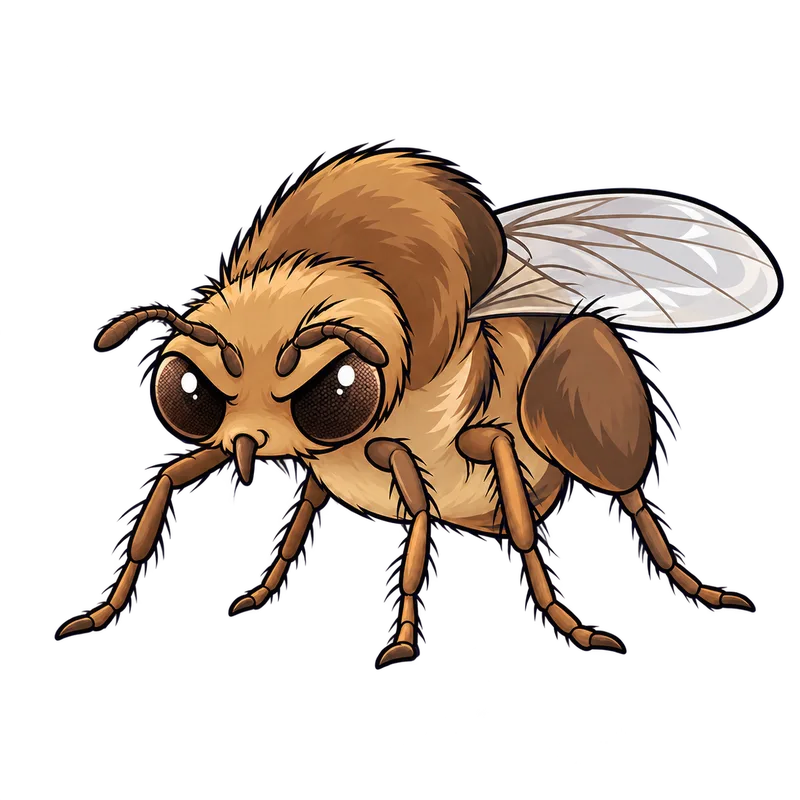
Small flies in a bathroom are most frequently drain flies, phorid flies, fruit flies, or fungus gnats. Identifying the specific insect depends on visual and behavioral clues, such as whether it is a fuzzy moth-like drain fly, a humpbacked phorid fly, a red-eyed fruit fly, or a mosquito-like fungus gnat.
What is actually going on
You walk into the bathroom first thing in the morning, reach for the faucet, and notice a handful of tiny insects dancing around the sink basin. Naturally, your first instinct is to assume they are fruit flies that hitched a ride from a bowl of bananas in the kitchen. But when you look closer, they do not quite act like fruit flies, and they certainly do not care about your apple cider vinegar trap. You are likely dealing with one of three common culprits. Small flies in a bathroom are most frequently drain flies breeding in gelatinous drain scum, phorid flies developing in decaying organic residues or leaking subsurface plumbing, or fruit flies attracted to fermenting organic material, with fungus gnats also appearing if you keep moist potted plants on the windowsill.
Distinguishing between them comes down to a few distinct visual and behavioral cues. Drain flies look like miniature, fuzzy moths holding their wings roof-like over their bodies, and they tend to hop weakly rather than fly long distances. Phorid flies have a noticeable hump on their back just behind the head and a habit of running rapidly across surfaces in short, jerky bursts before they finally take off. Fruit flies, by comparison, have stout bodies and prominent red eyes, usually hovering steadily around any organic waste or damp residue they can find. Fungus gnats look more like delicate, long-legged mosquitoes and stay close to potted plants.
Most people make the mistake of assuming all small indoor insects are fruit flies, leading them to set out the wrong traps or ignore the actual breeding sites. If you have flies gathering in a bathroom that lacks fruit or open wine glasses, the source is almost certainly happening right inside your plumbing or damp structural crevices.
How to tell for sure
To pin down the exact pest, look at how the insect moves and rests. If it is fuzzy, dark gray, has moth-like wings, and only hops a few inches when disturbed, you usually have a drain fly. If it has a dark tan to black body, a distinct humpback thorax, dark eyes, and scuttles rapidly across your sink or floor tiles before taking flight, it is usually a phorid fly. If you spot prominent bright red eyes, a tan body, and a steady hovering flight near a trash can or sink, it is usually a fruit fly. If it is fragile, mosquito-like, black with long legs, and hovering near your indoor houseplants, it is a fungus gnat.
You can confirm your suspicions with a simple diagnostic test. Place inverted clear jars or petroleum jelly cups over your bathroom drains overnight. If flies emerge from the plumbing and become trapped against the glass or sticky surface, you have located the active breeding site for drain or phorid flies.
Remember that these small domestic flies do not bite humans, despite how annoying it is to have them landing on your towels or toothbrush. They do, however, crawl across raw sewage and organic waste before landing on your personal care items, meaning they can carry filth bacteria mechanically.
What usually comes next
Once you finally figure out which insect you are looking at, the game changes. You have to go straight for the breeding source instead of wasting time swatting adults in midair. Spraying a generic aerosol bug killer only gives you a few hours of quiet. It does nothing to touch the larvae safely tucked away inside your pipes or hiding out in wall voids.
If that overnight jar test pointed right to drain flies or phorid flies, you might be tempted to dump a kettle of boiling water or a bottle of liquid bleach down the drain. Resist that urge. Boiling water loses its punch the second it hits cold metal or plastic pipes, and it never gets hot enough to melt through the thick, rubbery blanket of organic slime where the larvae feed. Bleach is not much better because it just runs right over the top of the scum without dissolving it.
You have to break down that sticky biofilm with some physical effort. Grab a long flexible drain brush, stick it down into the pipe, and scrub the inside walls until you have torn away the gunk. Once the pipe is physically cleared, follow up with an enzymatic drain cleaner or a specialized bio gel, making sure to read the product label for exact directions. These treatments rely on natural bacteria to eat up the leftover organic matter so the remaining larvae starve out. If your problem turned out to be fungus gnats instead, just let the top couple of inches of soil in your potted plants dry out completely between waterings, which usually finishes off the immature bugs without needing any chemicals.
When to get help
There are moments when a good scrub brush and a bottle of bio gel are simply not enough, and you have to hand the reins over to an expert. If you have cleaned every pipe, used enzymatic treatments religiously, and still find new flies buzzing around week after week, the real nest is likely hidden somewhere you cannot see.
When these stubborn insects keep pushing up through hairline cracks in floor tiles, gaps along the baseboards, or expansion joints in your concrete slab, you are usually looking at a broken sewer line or a leaking waterproof pan beneath your shower. Sewage is leaking straight into the earth beneath the building and feeding a massive underground nursery. At that point, you need a licensed plumber and a pest control professional to trace the leak and fix the structural problem.
Leave major commercial jobs, sub slab chemical applications, and heavy structural repairs to the qualified pros. And if anyone in your house develops strange skin problems, heavy allergic symptoms, or any health issues you cannot quite explain, talk to a doctor or reach out to poison control right away. You should never try to diagnose a medical issue or a skin mark by guessing which bug might have caused it.