
Why do sandflies bother visitors to New Zealand coasts?
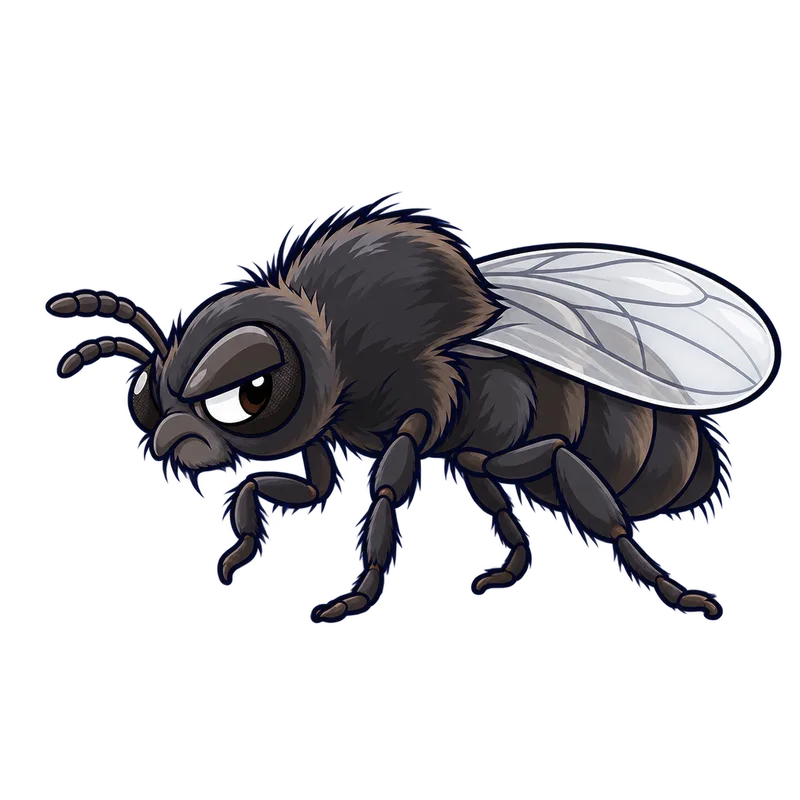
Female sandflies along New Zealand coasts bother visitors because they need a protein meal from blood to mature their eggs. These tiny biting midges and black flies slice the skin to lap up blood, injecting proteins that trigger an allergic reaction. Tourists suffer worse reactions than locals because they lack built up natural tolerance.
What is actually going on
Picture this. You have just driven down a winding gravel road on the west coast of New Zealand, stepped out of the rental car to stretch your legs by the water, and inhaled a lungful of crisp, salty air. Within two minutes, your ankles and forearms feel as though someone has sprinkled hot black pepper across your skin. You brush at the specks, but they are too small to catch, and by dinner time, those tiny pricks have turned into angry, weeping red bumps that itch like mad. Why on earth do these coastal pests target visitors with such enthusiasm?
The short answer is that what people call sandflies along New Zealand coasts are not true sand flies at all. They are usually tiny biting midges or coastal black flies, and the females are hunting for a protein meal to mature their eggs.
When you walk down to a New Zealand beach, estuary, or salt marsh, you are walking into a nursery. Adult male flies are harmless vegetarians that feed exclusively on plant nectar and sap. The females, however, need a vertebrate blood meal before their eggs can develop. This biological obligation is known as anautogeny.
Unlike mosquitoes that slide a fine needle directly into a blood vessel, these coastal biters operate like miniature lawnmowers. They use short, blade-like mouthparts to slice through the outer layer of your skin, opening a tiny pool of blood. As they lap it up, they inject a cocktail of proteins into your skin to stop the blood from clotting and to numb the area so you do not notice them immediately.
Your immune system hates these foreign proteins. It throws a localized histamine party, which results in the swelling, heat, and delayed-onset itching that can ruin a holiday. If you are wondering why the locals down the road seem completely unbothered while you are clawing your ankles raw, it is because repeated exposure over years builds up a natural tolerance. Tourists, lacking that immune history, get the full brunt of the allergic reaction.
How to tell for sure
People often lump every flying pest under the broad umbrella of sandflies, but a few physical clues separate them.
True sand flies belong to a completely different family and usually live in tropical or Mediterranean regions where they vector diseases. On New Zealand coasts, you are dealing with tiny insects measuring between 1 millimeter and 3 millimeters. If you squint at your skin when a swarm lands, they look like dark specks of ground pepper.
Under a magnifying glass, biting midges usually show a stocky body with a hunched thorax and mottled wings held flat over the abdomen. Black flies, which make up the native regional biting pests often called sandflies locally, also sport that distinctive humped back and clear, unspotted wings.
You usually notice them during calm, humid conditions around dawn and dusk. Because they are weak, fragile fliers, a stiff ocean breeze usually keeps them grounded. Furthermore, their coastal breeding cycles often surge dramatically around new and full moon spring tides, which flood the damp estuarine mud and leaf litter where the larvae grow.
What usually comes next
You have to decide how much chemical intervention you are comfortable using compared to physical exclusion.
Standard window screens are useless against these pests. Because they measure only a millimeter or two across, they walk right through ordinary household mesh as if it were a chain-link fence. If you are staying in a coastal cabin, campervan, or tent, you need fine micro-mesh screening to keep them out of your living space.
When heading outside, clothing is your first line of defense. Loose-fitting, light-colored long sleeves and trousers prevent the insects from reaching your skin. For exposed areas, repellents containing DEET or Picaridin work well, though you must never apply chemical repellents to infants under 12 months old. Rely on physical barriers like fine mesh nets over strollers for babies instead.
If you do get bitten, resist the urge to scratch. Wash the site with soap and water, apply a cold pack to calm the swelling, and use an over-the-counter anti-pruritic lotion. Breaking the skin with your fingernails invites secondary bacterial infections that turn a simple bug bite into a much uglier dermatological problem.
When to get help
Most coastal bites require nothing more than patience and calamine lotion, but certain warning signs mean you should step away from home remedies.
If vigorous scratching breaks the skin and you notice spreading warmth, pus, yellow crusting, or red streaks radiating from the bite site, you should visit a clinician or urgent care center. That points to a secondary bacterial infection that might need professional treatment with an antiseptic or antibiotic.
Seek emergency medical attention immediately if anyone experiences a systemic allergic reaction, such as facial swelling, dizziness, nausea, widespread hives, or trouble breathing. While coastal midges and black flies in this part of the world are not known to transmit human pathogens, severe allergic responses to insect saliva can still happen.
If you are looking at large-scale property treatments, remember that trying to spray coastal mudflats or wetlands with insecticides is ecologically damaging, technically ineffective, and legally restricted. For structural treatments or persistent indoor infestations, consult a licensed pest management professional who operates within local regulatory guidelines.