
Why are black flies a concern in parts of Ontario?
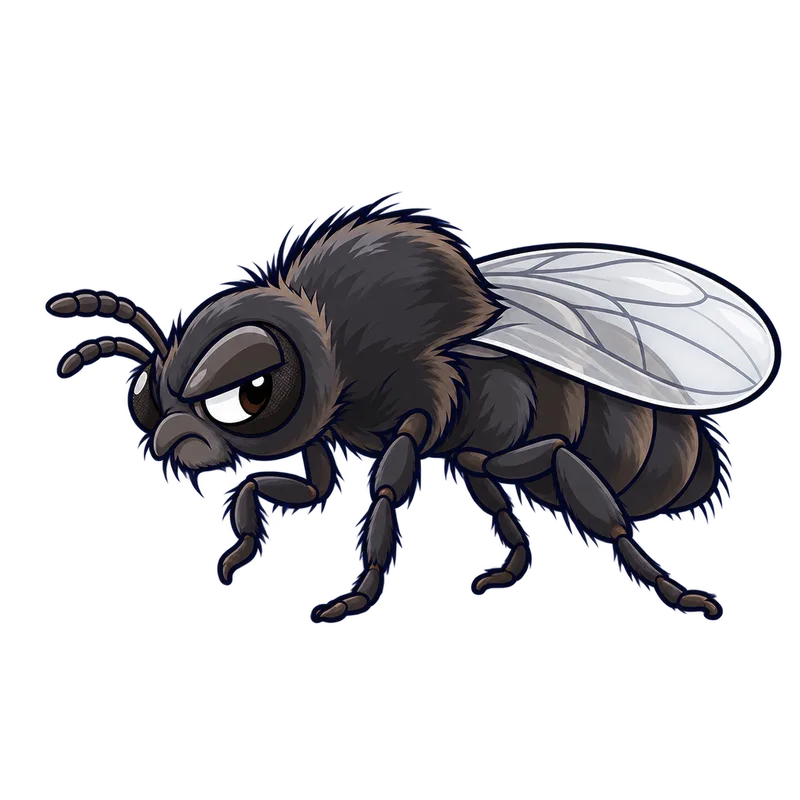
Black flies are a massive seasonal concern in parts of Ontario because their larvae require clean, fast-moving rivers to survive, and the province is carved up by countless rushing streams. Female black flies swarm aggressively during the day to slice open the skin with blade-like mouthparts, leaving behind intensely itchy welts that can last for several days.
What is actually going on
Picture stepping out onto your northern Ontario cabin deck on a warm, muggy afternoon in late spring. The air feels heavy, the kind of damp calm that usually hints at a thunderstorm rolling in later. Almost immediately, a swarm of tiny, dark insects settles around your hairline, buzzing angrily near your ears and crawling down the collar of your dark hoodie. Within an hour, those tiny visitors leave behind itchy, throbbing welts. You are dealing with black flies, and they are a massive seasonal concern in parts of Ontario because of how and where they live.
Unlike mosquitoes that breed comfortably in your stagnant rain barrel or a forgotten birdbath, black fly larvae need clean, fast-moving, highly oxygenated water to survive. Ontario happens to be carved up by countless rushing rivers and streams, which act as sprawling, natural nurseries for these insects. The females deposit their eggs directly into roaring currents where the larvae anchor themselves to submerged rocks using tiny suction discs, surviving whitewater conditions that would wash away almost anything else.
The concern escalates during the day because female black flies are strictly daytime biters. While mosquitoes pierce blood vessels like tiny hypodermic needles, female black flies act more like microscopic scissors. They use blade-like mouthparts to slice open the skin, creating a small pool of blood to lap up. Along with this slicing, they inject an anticoagulant saliva that stops your blood from clotting and numbs the area just long enough for them to feed unnoticed.
Once that saliva wears off, your immune system reacts with a vengeance. The result is intense itching, localized swelling, and pain that can last for several days. To make matters worse, these adults are strong flyers that routinely travel up to fifteen miles away from their natal streams. That means the swarm visiting your yard might have hatched in a rushing river a couple of towns over, entirely bypassing any local effort to dry up puddles on your property.
How to tell for sure
Spotting a black fly usually requires looking for a very small, stocky insect with a distinctively arched or humped thorax, which gives the body a slightly hunched silhouette. They usually measure between one-sixteenth and one-eighth of an inch long, though some regional types grow a bit larger, and they display a dark gray, black, or silverish-gray color with broad, clear wings.
You will usually notice them by their behavior rather than a calm visual inspection. They swarm aggressively around the head, crawling into hair, around the eyes, and into the tight gaps of clothing during daylight hours, especially when the air pressure drops right before rain.
If you try to identify them by a bite mark alone, you will usually run into a dead end. A red puncture wound that swells and itches fiercely could just as easily come from a deer fly, a biting midge, or a mosquito. Confident species-level identification usually requires microscopic examination of adult genitalia or larval structures by a specialist, so a skin lesion or a blurry smartphone photograph will rarely give you a definitive answer.
You can usually separate them from biting midges because midges are even tinier, often feature spotted wings, and prefer to bite around dawn, dusk, or nighttime. Phorid flies also have a humped thorax, but they scuttle erratically over surfaces and never bite or feed on blood.
What usually comes next
When the swarms arrive, you have to shift your focus entirely to personal defense because environmental control is practically out of your hands. A common mistake is walking around the yard turning over buckets and emptying saucers under flower pots to stop the breeding cycle, but that only targets mosquitoes. Since black flies originate in distant, rushing rivers, property-level source reduction does nothing at all.
You also want to resist any temptation to treat local public creeks with larvicides or chemicals. Pouring anything into natural watercourses is illegal for private individuals, highly toxic to fish and aquatic life, and strictly governed by environmental agencies. Instead, your practical choices revolve around physical barriers and clothing strategy.
Wearing light-colored clothing helps because dark tones attract black flies much faster. Tucking your pant cuffs securely into your socks, buttoning your collars tight, and wearing long-sleeved shirts stops them from crawling onto exposed skin. Applying an insect repellent to your skin, or treating your outdoor garments with a permethrin fabric spray according to the product label, offers reliable protection during peak emergence weeks. You can also rely on standard window and door screening with tight mesh to keep them out of your living spaces when you stay indoors.
When to get help
While most black fly bites cause mild misery and standard swelling, certain reactions cross the line into situations that require professional medical evaluation. You should consult a clinician, urgent care facility, or emergency service immediately if a bite location shows signs of severe systemic allergy, which includes difficulty breathing, dizziness, or widespread swelling.
Extensive facial edema, such as when swelling around the eyes leaves them completely shut, also warrants prompt medical care. Furthermore, because the intense itching often leads to vigorous scratching, secondary bacterial infections can take root in the open skin lesions. If you notice increasing redness, localized heat, purulent discharge, or red streaks spreading out from the bite, visit a healthcare provider for proper antiseptic or antibiotic management.
If you are dealing with massive regional infestations that threaten agricultural livestock or require large-scale municipal surveillance and biological water treatments, leave those operations to licensed vector-control specialists and public health authorities who operate within strict provincial regulations.